Cymbidium hybridum Drooping Leaves
eco Drooping Leaves

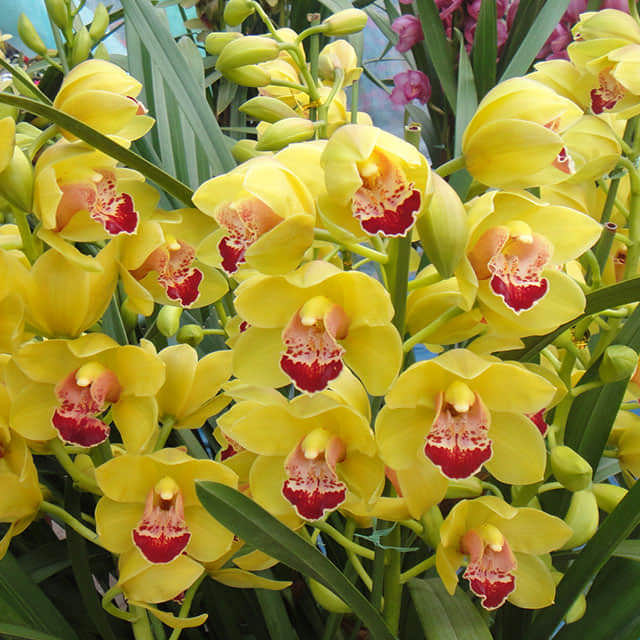
Cymbidium hybridum – Drooping Leaves

Why does your Cymbidium hybridum have drooping leaves? Diagnose the cause and fix it with our step-by-step guide.

pets Pet Friendly

search Possible Causes

error

Improper Watering / Dehydration

Cymbidium orchids have pseudobulbs that store water; when the substrate dries out too completely, the plant loses turgor pressure, causing the leaves to wilt or droop.

Very Common
lightbulb
How to confirm: Check if the pseudobulbs feel shriveled and soft rather than firm and plump.
build How to fix it
shopping_cart Recommended Products
1 Immediately check the moisture level of the substrate using a moisture meter to determine if the roots are completely dry.
2 Thoroughly soak the orchid substrate with water to restore turgor pressure to the pseudobulbs and leaves.
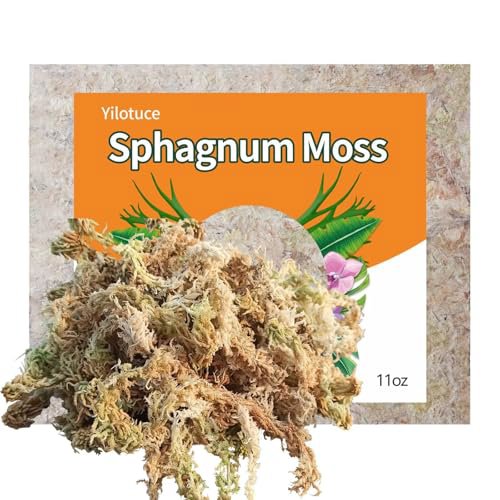
3 To prevent future dehydration, consider using a self-watering system or moisture-retaining amendments like sphagnum moss.
error

Root Rot (Overwatering)

Excessive moisture in the bark or sphagnum substrate leads to anaerobic conditions, destroying the root system's ability to transport water to the leaves.

Very Common
lightbulb
How to confirm: Gently lift the plant from its pot to check if the roots are dark, slimy, or hollow instead of firm and green/white.
build How to fix it
shopping_cart Recommended Products
1 Immediately remove the orchid from its current pot and inspect the roots; discard any mushy, black, or foul-smelling roots using sterilized shears.
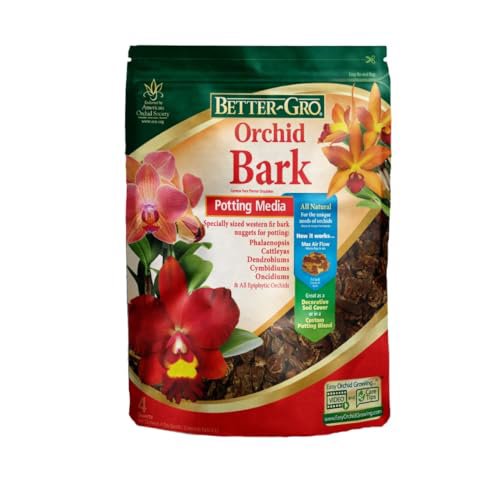
2 Repot the orchid in a fresh, well-draining medium specifically designed for epiphytic orchids to restore aeration to the root zone.
3 Use a moisture meter to monitor the substrate, ensuring you only water when the medium has significantly dried out to prevent future anaerobic conditions.
warning

Temperature Stress / Cold Shock

Sudden drops in temperature or exposure to drafts can cause physiological stress in Cymbidium hybrids, leading to temporary loss of leaf rigidity.

Common
lightbulb
How to confirm: Observe if the drooping coincides with a recent change in room temperature or proximity to a window/AC vent.
build How to fix it
shopping_cart Recommended Products
1 Relocate the orchid to a stable environment away from cold drafts, windows, or air conditioning vents to prevent further temperature fluctuations.
2 Monitor the soil moisture closely to ensure the plant is not also suffering from root issues; use a moisture meter to maintain consistent hydration levels.
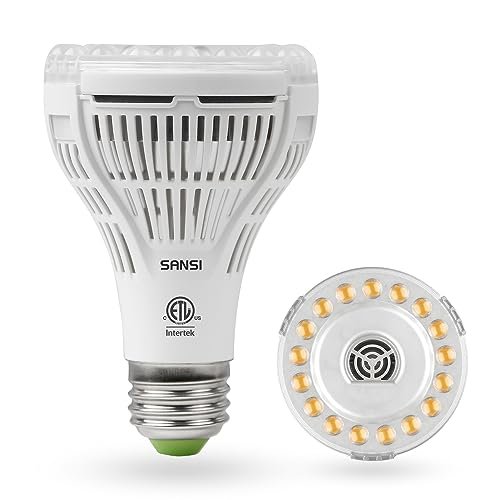
3 If the plant shows signs of recovery, provide supplemental warmth using a grow light to stabilize the metabolic rate.
warning

Nutrient Deficiency (Nitrogen)

A lack of essential nitrogen prevents the plant from maintaining cell wall integrity and chlorophyll production, which can manifest as weakened, drooping foliage.

Common
lightbulb
How to confirm: Inspect the leaves for a general pale or yellowish tint in addition to the drooping symptom.
build How to fix it
shopping_cart Recommended Products
1 Apply a nitrogen-rich liquid fertilizer to boost chlorophyll production and restore leaf strength.
2 Check the soil moisture levels with a meter to ensure the drooping isn't actually caused by dehydration.
3 Ensure the orchid is in a well-draining medium like orchid bark to prevent root rot, which can also cause drooping.
local_hospital All symptoms eco All plants with drooping leaves
favorite