Cymbidium mastersii Drooping Leaves
eco Drooping Leaves

Cymbidium mastersii – Drooping Leaves

Why does your Cymbidium mastersii have drooping leaves? Diagnose the cause and fix it with our step-by-step guide.

search Possible Causes

error

Inconsistent Watering or Drought Stress

Cymbidium mastersii requires consistent moisture to maintain turgor pressure in its fleshy leaves. When the potting medium dries out completely, the plant loses water faster than it can absorb it, leading to visible wilting.

Very Common
lightbulb
How to confirm: Insert your finger an inch into the substrate to check if it feels bone-dry despite recent watering schedules.
build How to fix it
shopping_cart Recommended Products
1 Check the current moisture level of the potting medium using a moisture meter to determine if the roots are experiencing extreme dehydration.
2 Thoroughly soak the orchid in water to rehydrate the roots and medium, ensuring the substrate is fully saturated to restore turgor pressure.
3 To prevent future drought stress, transition to a more consistent watering schedule and consider using a self-watering system or moisture-retaining substrate like sphagnum moss.
error

Root Rot (Pythium or Phytophthora)

Overwatering or poor drainage in the orchid pot causes oxygen deprivation, leading to fungal decay of the roots. Once the root system is compromised, it cannot transport water to the leaves, resulting in drooping even if the soil is wet.

Very Common
lightbulb
How to confirm: Gently lift the plant from its pot and inspect the roots for any brown, slimy, or hollow-feeling structures.
build How to fix it
shopping_cart Recommended Products
1 Immediately remove the orchid from its current medium and inspect the roots; prune away any mushy, black, or foul-smelling roots using sterilized shears.
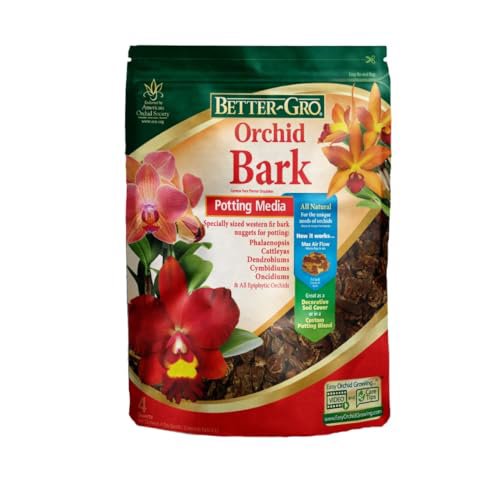
2 Repot the orchid in a fresh, highly aerated medium like orchid bark to ensure proper drainage and oxygen flow to the remaining healthy roots.
3 Use a moisture meter to monitor the substrate, ensuring you only water when the medium has significantly dried out to prevent future oxygen deprivation.
warning

Temperature Fluctuations/Cold Stress

As a species that can be sensitive to sudden shifts, extreme drops in temperature can cause metabolic shock. Cold stress disrupts the cellular functions of the leaves, leading to temporary or permanent drooping.

Common
lightbulb
How to confirm: Monitor if the drooping coincides with recent exposure to drafts from windows or air conditioning vents.
build How to fix it
shopping_cart Recommended Products
1 Move the orchid to a stable environment with consistent temperatures, away from cold drafts, windows, or air conditioning vents.
2 Apply a microbial-based liquid fertilizer to help the plant recover from environmental stress and support root zone strength.
3 Ensure the orchid is potted in a well-draining medium like orchid bark to prevent root rot during recovery.
warning

Nutrient Deficiency (Nitrogen)

A lack of essential macronutrients, particularly nitrogen, prevents the plant from building strong cell walls and maintaining leaf structure. This often manifests as a loss of rigidity in older leaves first.

Common
lightbulb
How to confirm: Observe if the drooping leaves are also showing signs of chlorosis (yellowing) starting from the leaf tips or edges.
build How to fix it
shopping_cart Recommended Products
1 Apply a nitrogen-rich liquid fertilizer to boost leaf rigidity and cell wall development.
2 Check the soil moisture levels with a meter to ensure the drooping isn't actually caused by dehydration.
3 Ensure the orchid is in a well-draining medium like orchid bark to prevent root rot, which can also cause drooping.
local_hospital All symptoms eco All plants with drooping leaves
favorite