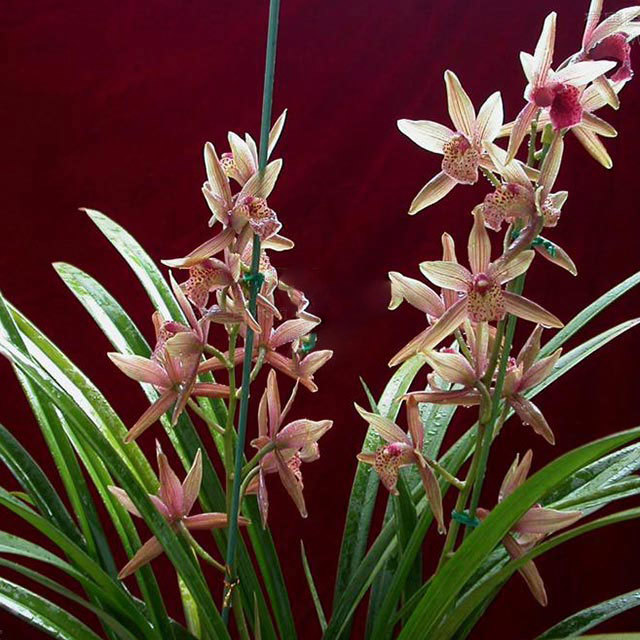
Cymbidium sinense Drooping Leaves
eco Drooping Leaves

Cymbidium sinense – Drooping Leaves

Why does your Cymbidium sinense have drooping leaves? Diagnose the cause and fix it with our step-by-step guide.

pets Pet Friendly

search Possible Causes

error

Root Rot due to Overwatering

Excessive moisture in the orchid bark leads to oxygen deprivation and fungal pathogens like Phytophthora, causing the root system to decay. When roots die, they can no longer uptake water, resulting in leaves that appear limp despite wet soil.

Very Common
lightbulb
How to confirm: Gently lift the plant from its pot to check if the roots are brown, mushy, or hollow instead of firm and green/white.
build How to fix it
shopping_cart Recommended Products
1 Immediately remove the plant from its current pot and trim away all mushy, black, or smelly decayed roots using sterilized shears.
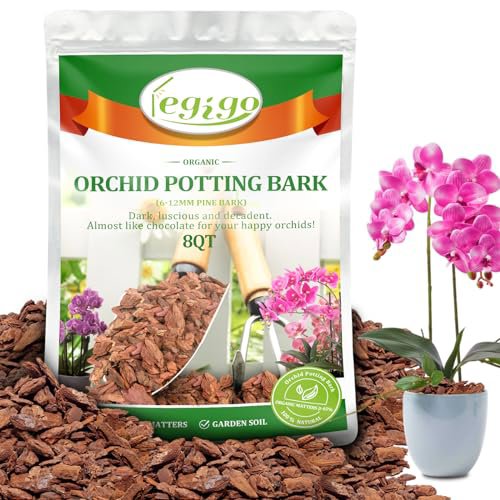
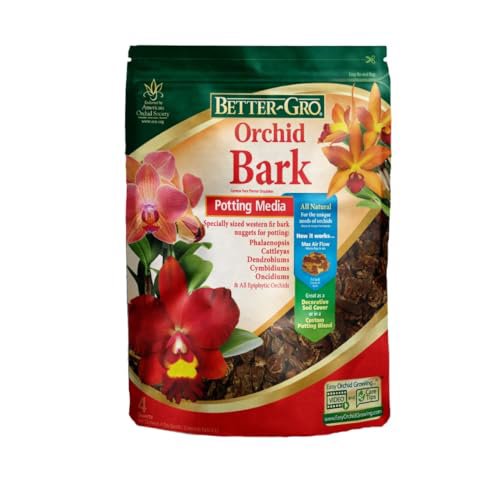
2 Repot the orchid in a fresh, highly aerated medium like Legigo Organic Leca Clay Pebbles or Legigo Organic Orchid Potting Bark to ensure maximum oxygen flow to the remaining healthy roots.
3 Use a moisture meter to monitor the substrate, ensuring you only water when the medium has significantly dried out to prevent future oxygen deprivation.
error

Dehydration (Underwatering)

Cymbidiums require consistent moisture during their active growing season. If the orchid medium has dried out completely, the pseudobulbs lose turgor pressure, causing the leaves to lose their upright structure and droop.

Very Common
lightbulb
How to confirm: Check the depth of the moisture in the pot; if the medium is bone-dry and pulling away from the pot edges, the plant needs water.
build How to fix it
shopping_cart Recommended Products
1 Immediately check the moisture level of the orchid medium using a moisture meter to confirm the extent of dehydration.
2 Thoroughly soak the orchid pot in water or apply a heavy watering to ensure the medium is fully saturated and the pseudobulbs can regain turgor pressure.
3 If the medium is old and non-absorbent, repot the orchid in fresh, well-draining orchid bark to improve moisture retention and aeration.
warning

Temperature Fluctuations or Cold Stress

Chinese Cymbidiums are sensitive to sudden drops in temperature, especially if accompanied by drafts. Cold stress can disrupt cellular function and metabolic processes, leading to temporary leaf wilting.

Common
lightbulb
How to confirm: Monitor the plant's location for proximity to air conditioning vents or drafty windows during the night.
build How to fix it
shopping_cart Recommended Products
1 Move the plant to a stable, draft-free environment with consistent temperatures to prevent further thermal shock.
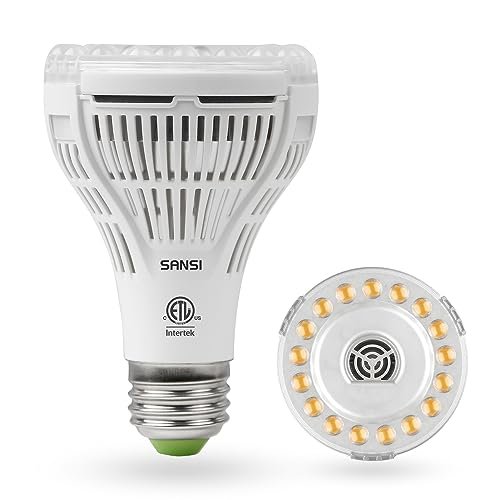
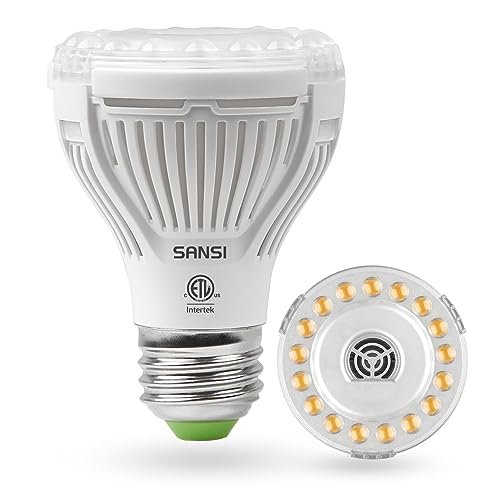
2 Use a grow light to provide supplemental warmth and consistent light energy if the environment is too dark or cold.
3 Monitor the soil moisture closely to ensure the plant is not experiencing secondary root stress from the temperature shift.
warning

Nutrient Deficiency (specifically Nitrogen)

A lack of essential macronutrients prevents the plant from maintaining cell wall strength and chlorophyll production. Chronic deficiency leads to weakened foliage that cannot support its own weight.

Common
lightbulb
How to confirm: Observe if the drooping leaves also exhibit a pale, yellowish color throughout the entire leaf blade.
build How to fix it
shopping_cart Recommended Products
1 Apply a nitrogen-rich liquid fertilizer to boost chlorophyll production and restore leaf strength.
2 Monitor soil moisture levels with a moisture meter to ensure the plant is not drooping due to dehydration instead of nutrient lack.
3 Ensure the plant is receiving adequate light to support the metabolic processes required for nutrient uptake.
local_hospital All symptoms eco All plants with drooping leaves
favorite