Dalbergia odorifera Drooping Leaves
eco Drooping Leaves

Dalbergia odorifera – Drooping Leaves

Why does your Dalbergia odorifera have drooping leaves? Diagnose the cause and fix it with our step-by-step guide.

search Possible Causes

error

Water Stress (Drought or Overwatering)

As a slow-growing tropical hardwood, Dalbergia odorifera is highly sensitive to moisture fluctuations. Drooping occurs when roots are either desiccated and unable to transport water or suffocating due to anaerobic conditions from waterlogged soil.

Very Common
lightbulb
How to confirm: Stick your finger two inches into the soil; if it is bone dry, the plant needs water, but if it is saturated, you must improve drainage.
build How to fix it
shopping_cart Recommended Products
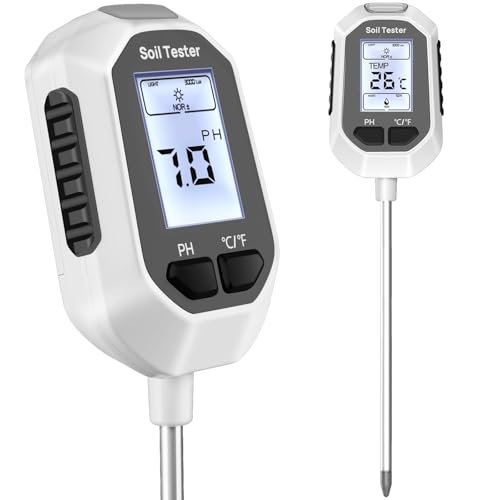
1 Check the soil moisture level at the root zone using a moisture meter to determine if the plant is suffering from drought or overwatering.
2 If the soil is bone dry, thoroughly water the plant; if the soil is waterlogged, repot the plant in a well-draining medium like a mix containing perlite or orchid bark to prevent root rot.
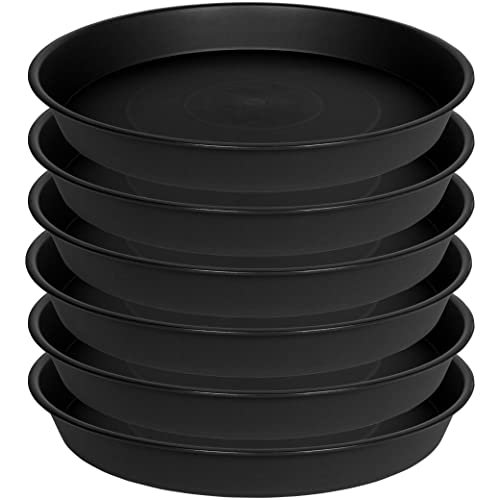
3 Ensure the plant is in a pot with adequate drainage and use a saucer to catch excess water, preventing the roots from sitting in stagnant water.
error

Root Rot (Phytophthora or Pythium)

Excessive humidity and poor drainage in Dalbergia species can lead to fungal pathogens attacking the root system. This prevents nutrient and water uptake, causing the foliage to wilt even if the soil is wet.

Very Common
lightbulb
How to confirm: Gently lift the plant from its pot to check if the roots are dark, slimy, or emit an unpleasant odor.
build How to fix it
shopping_cart Recommended Products
1 Immediately remove the plant from its current container and inspect the roots for mushy, dark, or foul-smelling decay; prune away all affected root tissue using sterilized tools.
2 Repot the plant in a fresh, well-draining medium enriched with perlite to improve aeration and prevent future waterlogging.
3 Ensure the new container has adequate drainage and use a moisture meter to monitor the soil, preventing the excessive wetness that fuels fungal pathogens.
warning

Temperature Shock/Thermal Stress

Huanghuali prefers stable tropical temperatures. Sudden exposure to cold drafts or extreme heat can cause physiological stress, leading to a loss of turgor pressure in the leaves.

Common
lightbulb
How to confirm: Check if the plant has been recently moved near an air conditioning vent or a drafty window.
build How to fix it
shopping_cart Recommended Products
1 Relocate the plant to a stable environment away from cold drafts, air conditioning vents, or direct heat sources to stabilize its temperature.
2 Monitor the soil moisture levels closely during this recovery period to ensure the plant is not being overwatered while in a stressed state.
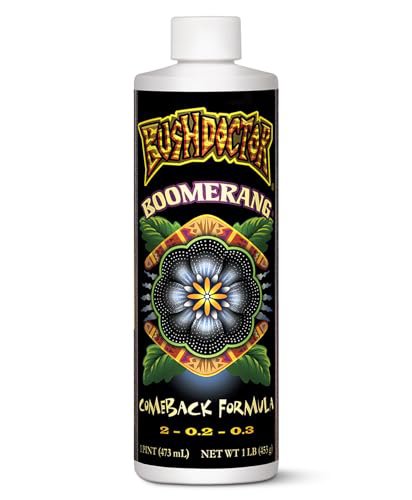
3 Apply a microbial-based liquid fertilizer to help support root zone development and aid in the plant's recovery from environmental stress.
warning

Nutrient Deficiency (Nitrogen/Iron)

In long-term indoor cultivation, a lack of essential micronutrients can impair the plant's ability to maintain cell structure. This often manifests as limp, pale leaves.

Common
lightbulb
How to confirm: Observe if the drooping is accompanied by yellowing (chlorosis) of the leaf veins or edges.
build How to fix it
shopping_cart Recommended Products
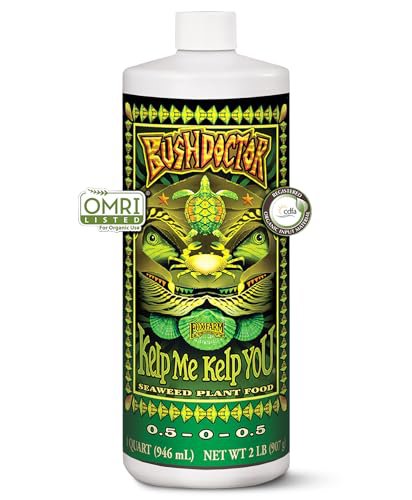
1 Apply a liquid seaweed fertilizer to boost micronutrient uptake and support cell structure recovery.
2 Check the soil pH to ensure iron and nitrogen are bioavailable; if the soil is too alkaline, nutrients cannot be absorbed.
3 Repot the plant in a fresh, nutrient-rich organic potting mix to replenish depleted soil minerals.
local_hospital All symptoms eco All plants with drooping leaves
favorite