Datura innoxia Leggy Stems
eco Leggy Stems

Datura innoxia – Leggy Stems

Why does your Datura innoxia have leggy stems? Diagnose the cause and fix it with our step-by-step guide.

search Possible Causes

error

Insufficient Light Intensity

Datura innoxia is a heliophyte that requires full sun to maintain structural integrity. When light levels are low, the plant undergoes etiolation, rapidly elongating internodes to reach for a light source, resulting in weak, spindly stems.

Very Common
lightbulb
How to confirm: Observe if the plant is stretching toward a window or if the leaves are significantly smaller and paler than usual.
build How to fix it
shopping_cart Recommended Products
1 Move your Datura innoxia to a location that receives at least 6 to 8 hours of direct, full sunlight daily to stop stem elongation.
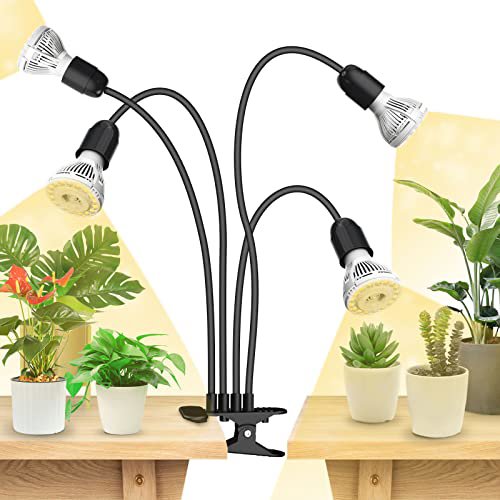
2 Supplement with a high-intensity grow light to provide the necessary light spectrum and intensity if natural sunlight is unavailable.
3 Prune away the weakest, most spindly stems using sharp shears to allow the plant to redirect energy toward sturdier growth.
warning

Excessive Nitrogen Fertilization

High levels of nitrogen-rich fertilizer can promote rapid vegetative growth at the expense of stem strength. In Datura, this often results in lush, green foliage supported by weak, 'floppy' stems that cannot support their own weight.

Common
lightbulb
How to confirm: Review your recent fertilization schedule to see if you have used a high-nitrogen NPK ratio recently.
build How to fix it
shopping_cart Recommended Products
1 Flush the soil with plenty of fresh water to leach out excess nitrogen salts from the root zone.
2 Transition to a more balanced or lower-nitrogen fertilizer to support structural strength rather than just foliage growth.
3 Increase light exposure using a full-spectrum grow light to encourage sturdier, more compact stem development.
warning

Overwatering and Root Hypoxia

Excessive moisture in the substrate can lead to oxygen deprivation in the root zone, impairing the plant's ability to regulate growth hormones. This stress can cause irregular, elongated growth patterns as the plant struggles to maintain turgor pressure.

Common
lightbulb
How to confirm: Check if the soil remains saturated for extended periods and feel for any soft, dark areas near the base of the stem.
build How to fix it
shopping_cart Recommended Products
1 Reduce watering frequency and allow the top inch of soil to dry out completely before watering again to restore oxygen to the root zone.
2 Repot the plant into a well-draining medium by mixing in horticultural perlite to improve aeration and prevent future hypoxia.
3 Ensure the plant is in a location with adequate sunlight to prevent further stretching and leggy growth.
warning

Temperature Fluctuations

Datura innoxia thrives in consistent warmth; sudden drops in temperature can disrupt metabolic processes. Cold stress can lead to irregular cell elongation and a loss of structural density in the developing stems.

Common
lightbulb
How to confirm: Determine if the plant has been exposed to nighttime temperatures below 50°F (10°C) recently.
build How to fix it
shopping_cart Recommended Products
1 Move the plant to a stable, warm environment and avoid placing it near cold drafts or windows during temperature drops.
2 Supplement with consistent warmth and light to stabilize metabolic processes and encourage denser stem growth.
3 Apply a microbial-based fertilizer to support root zone development and help the plant recover from environmental stress.
local_hospital All symptoms eco All plants with leggy stems
favorite