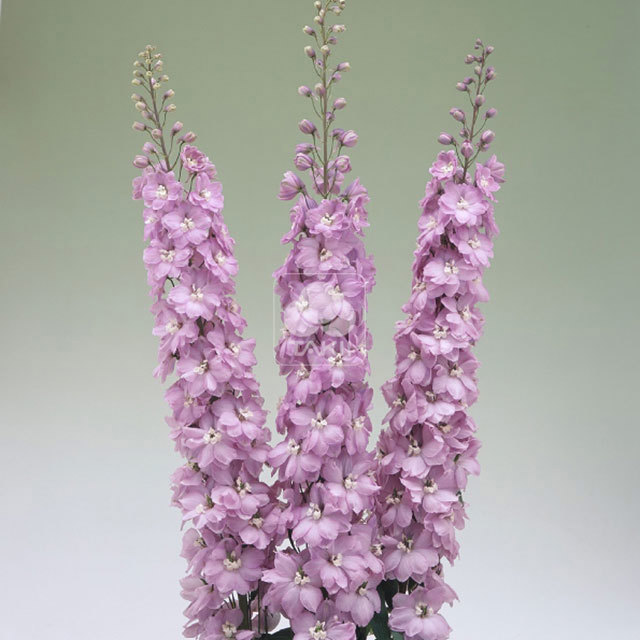
Delphinium Aurora F1 Mauve White Powder
eco White Powder

Delphinium Aurora F1 Mauve – White Powder

Why does your Delphinium Aurora F1 Mauve have white powder? Diagnose the cause and fix it with our step-by-step guide.

search Possible Causes

error

Powdery Mildew (Erysiphales)

This fungal pathogen is the most common cause of white, flour-like patches on Delphinium foliage, especially in humid conditions with poor airflow. It thrives when leaves remain damp or when there is high night-time humidity.

Very Common
lightbulb
How to confirm: Inspect the undersides of leaves for fine, white mycelial growth that looks like dusted flour.
build How to fix it
shopping_cart Recommended Products
1 Apply an organic fungicide to eliminate the existing fungal patches and prevent the spread to healthy leaves.
2 Improve air circulation around the plant and avoid overhead watering to ensure foliage stays dry, as damp leaves encourage spore germination.
3 Prune and carefully dispose of heavily infected leaves to reduce the fungal load in the garden area.
warning

Spider Mites (Tetranychidae)

While they don't produce a 'powder,' heavy infestations create a fine, silken webbing and stippling that can look like white dust from a distance. These pests thrive in hot, dry conditions common to Larkspur growing seasons.

Common
lightbulb
How to confirm: Hold a white piece of paper under a leaf and tap it to see if tiny specks fall off and begin moving.
build How to fix it
shopping_cart Recommended Products
1 Apply an organic insecticide to eliminate existing spider mite populations and kill eggs, larvae, and adults.
2 Increase humidity and reduce heat around the plant by misting the foliage or using a pebble tray to make the environment less hospitable to mites.
3 Prune and dispose of heavily infested or dead foliage to prevent the mites from spreading to healthy parts of the Larkspur.
warning

Mealybugs

These insects secrete a white, cottony, waxy substance to protect themselves, which can appear as localized white powder or clumps on stem nodes. They specifically target the tender new growth of Delphinium.

Common
lightbulb
How to confirm: Use a magnifying glass to check for small, slow-moving insects nestled in the leaf axils or crevices.
build How to fix it
shopping_cart Recommended Products
1 Isolate the plant immediately and use a cotton swab dipped in isopropyl alcohol to manually remove the white, cottony clusters from the stems and nodes.
2 Apply an organic insecticide spray to the entire plant, ensuring you coat the undersides of leaves and new growth to eliminate remaining insects and eggs.
3 Monitor the plant's new growth closely and use yellow sticky traps to capture any newly emerged flying pests or adults.
local_hospital All symptoms eco All plants with white powder
favorite