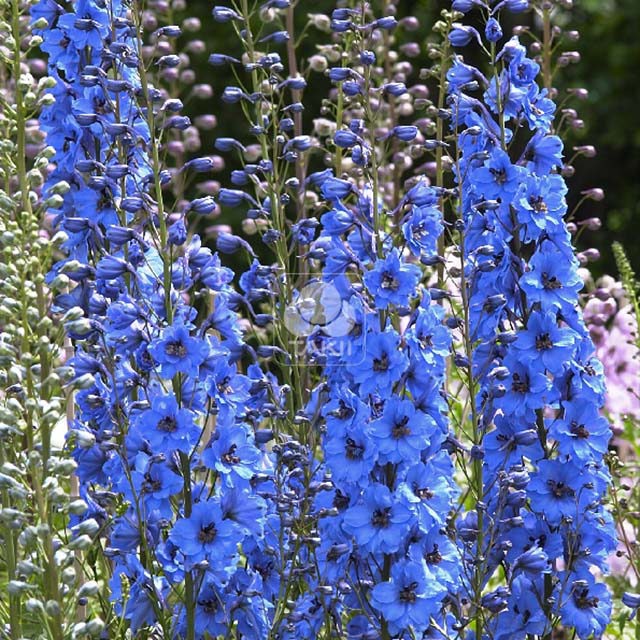
Delphinium Centurion F1 Gentian Blue White Powder
eco White Powder

Delphinium Centurion F1 Gentian Blue – White Powder

Why does your Delphinium Centurion F1 Gentian Blue have white powder? Diagnose the cause and fix it with our step-by-step guide.

search Possible Causes

error

Powdery Mildew

This fungal disease, caused by species like Peronospora farinosa, is the most common culprit for white, flour-like patches on Delphinium leaves. It thrives in high humidity and poor air circulation around the dense foliage of the Centurion series.

Very Common
lightbulb
How to confirm: Inspect the undersides of leaves for fuzzy white growth and check if the patches spread rapidly across the leaf surface.
build How to fix it
shopping_cart Recommended Products
1 Apply an organic fungicide to the affected leaves to stop the spread of the fungal spores.
2 Prune and remove any heavily infected foliage to prevent the disease from spreading to healthy parts of the plant.
3 Improve air circulation around the dense foliage and avoid overhead watering to reduce the high humidity that fuels mildew growth.
warning

Mealybugs

Small, white, cottony masses appearing in the crevices of stems or leaf axils can be mistaken for powder. These pests suck sap from the Delphinium, often causing leaves to yellow or wilt alongside the white residue.

Common
lightbulb
How to confirm: Use a magnifying glass to see if the white substance is attached to the plant and moves slightly when disturbed.
build How to fix it
shopping_cart Recommended Products
1 Treat the affected areas with an organic insecticide spray to eliminate the mealybug population and prevent further sap loss.
2 Manually remove visible cottony masses using a cotton swab dipped in isopropyl alcohol to stop the spread to healthy stems.
3 Inspect the plant's crevices and leaf axils regularly to ensure no new pests are developing.
warning

Mineral Deposits (Hard Water)

If you are using overhead watering or foliar spraying, calcium or magnesium carbonates can dry on the leaf surface as a white, crusty film. Unlike mildew, this residue will not appear fuzzy and is usually more localized to where water droplets sat.

Common
lightbulb
How to confirm: Wipe a leaf with a damp cloth; if the white residue disappears completely without leaving any organic residue, it is likely mineral buildup.
build How to fix it
shopping_cart Recommended Products
1 Gently wipe the leaves with a soft, damp cloth to remove the mineral residue and prevent further buildup.
2 Switch to watering at the base of the plant rather than overhead to avoid leaving water droplets on the foliage.
3 Use filtered or rainwater for foliar spraying to minimize the introduction of calcium and magnesium carbonates.
local_hospital All symptoms eco All plants with white powder
favorite