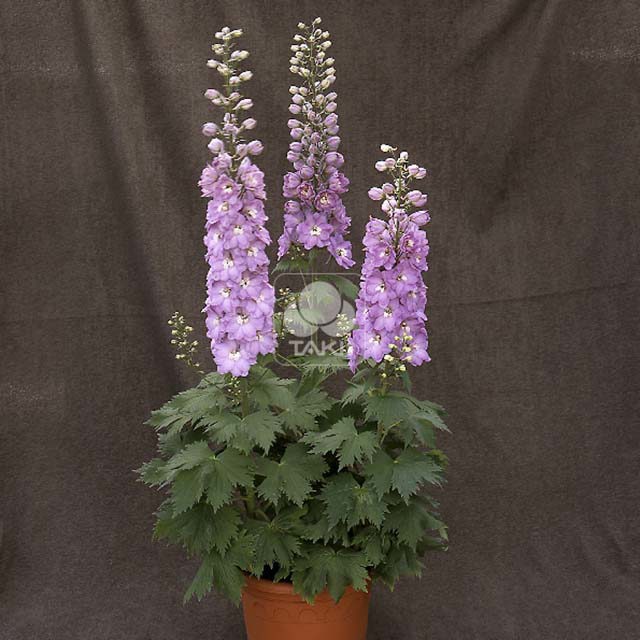
Delphinium Centurion F1 Rose White Powder
eco White Powder

Delphinium Centurion F1 Rose – White Powder

Why does your Delphinium Centurion F1 Rose have white powder? Diagnose the cause and fix it with our step-by-step guide.

search Possible Causes

error

Powdery Mildew

This is the most common cause for white patches on Delphinium foliage, caused by fungal pathogens like Peronospora farinosa. It thrives in high humidity and poor air circulation around the dense Centurion flower spikes.

Very Common
lightbulb
How to confirm: Inspect if the white coating looks like flour dusted on the leaves and if it spreads to the stems.
build How to fix it
shopping_cart Recommended Products
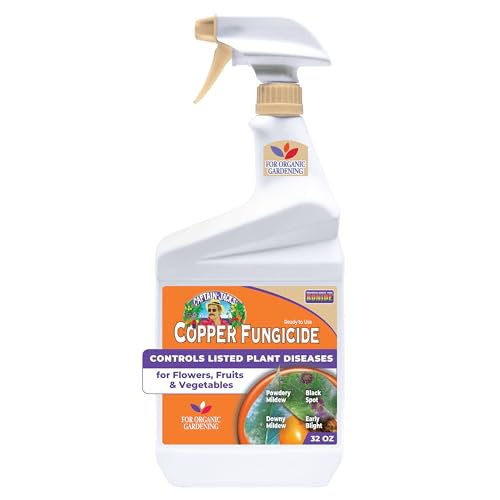
1 Apply an organic fungicide to the affected foliage to eliminate the fungal pathogen and prevent further spread.
2 Improve air circulation around the dense flower spikes by pruning away heavily infected leaves and ensuring plants are not overcrowded.
3 Reduce humidity levels around the plant by avoiding overhead watering and ensuring the soil surface dries between waterings.
warning

Mealybugs

Small, white, cottony clusters of insects can appear in the crevices of the Delphinium stems or under leaves. These pests suck sap from the plant, potentially causing leaf yellowing alongside the white appearance.

Common
lightbulb
How to confirm: Use a magnifying glass to check if the white substance moves or appears as waxy, cotton-like tufts.
build How to fix it
shopping_cart Recommended Products
1 Treat the plant with an organic insecticide spray to eliminate the mealybug clusters and protect healthy tissues.
2 Carefully wipe away visible white cottony masses from stems and leaf crevices using a cotton swab dipped in isopropyl alcohol.
3 Inspect surrounding plants and increase airflow around the Delphinium to prevent further pest spread and fungal issues.
warning

Water Spitting/Mineral Deposits

If you use hard water for overhead irrigation, dried calcium or magnesium deposits can leave a white, crusty residue on the leaves. Unlike mildew, this is inorganic and does not spread biologically.

Common
lightbulb
How to confirm: Try wiping a leaf with a damp cloth; if it disappears easily without leaving a powdery residue, it is mineral buildup.
build How to fix it
shopping_cart Recommended Products
1 Gently wipe the leaves with a soft, damp cloth to remove the mineral deposits and prevent further buildup.
2 Switch to using distilled water or rainwater for overhead irrigation to avoid introducing new calcium or magnesium crust to the foliage.
3 If you notice any signs of actual fungal growth during cleaning, treat the plant with an organic fungicide.
local_hospital All symptoms eco All plants with white powder
favorite