Dendrobium nobile Sudden Leaf Drop
eco Sudden Leaf Drop

Dendrobium nobile – Sudden Leaf Drop

Why does your Dendrobium nobile have sudden leaf drop? Diagnose the cause and fix it with our step-by-step guide.

pets Pet Friendly

search Possible Causes

error

Environmental Stress (Temperature or Light Fluctuations)

Dendrobium nobile is sensitive to sudden changes in temperature, especially during its winter dormancy period. A rapid drop in temperature or insufficient light can trigger the plant to shed leaves to conserve energy.

Very Common
lightbulb
How to confirm: Check if there have been recent drafts from windows or significant shifts in your indoor heating schedule.
build How to fix it
shopping_cart Recommended Products
1 Stabilize the environment by moving the plant to a location with consistent temperatures and avoiding cold drafts or sudden heat spikes.
2 Ensure the plant receives adequate, consistent light levels to support energy production during its recovery phase.
3 Monitor the soil moisture levels closely using a moisture meter to prevent overwatering while the plant is in a stressed, leafless state.
error

Water Stress (Drought or Overwatering)

Inconsistent moisture levels, particularly during the active growth phase, cause physiological stress. If the substrate is allowed to stay bone-dry for too long, or if it remains waterlogged leading to root hypoxia, leaf drop is a common defense mechanism.

Very Common
lightbulb
How to confirm: Stick your finger into the medium; it should be nearly dry before you water again, and never feel soggy.
build How to fix it
shopping_cart Recommended Products
1 Check the current moisture level of the substrate by inserting a probe deep into the medium to determine if the plant is suffering from drought or root rot.
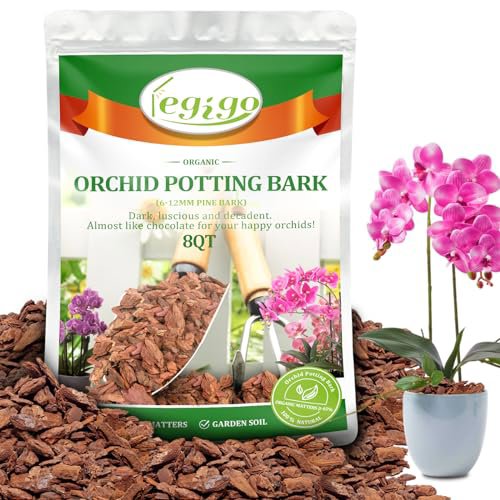
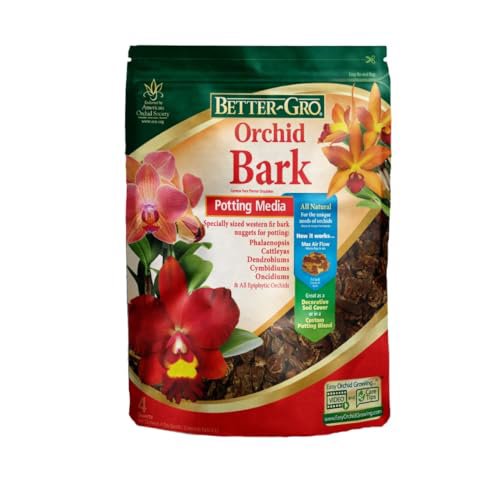
2 If the medium is bone-dry, thoroughly soak the plant; if waterlogged, repot immediately in a well-draining orchid medium like Legigo Organic Orchid Potting Bark to prevent root hypoxia.
3 To stabilize the plant during recovery, apply a diluted liquid seaweed fertilizer to boost nutrient uptake and mitigate physiological stress.
warning

Root Rot (Phytophthora or Pythium)

Excessive moisture in the orchid bark leads to decaying roots that can no longer support the pseudobulbs. As the root system fails, the plant cannot transport water to the foliage, resulting in sudden leaf senescence.

Common
lightbulb
How to confirm: Gently remove an old pseudobulb from the medium to see if the roots are black, slimy, or hollow.
build How to fix it
shopping_cart Recommended Products
1 Immediately inspect the roots and trim away any mushy, black, or foul-smelling decayed tissue using sterilized shears.
2 Repot the orchid in a fresh, highly aerated medium like Legigo Organic Leca Clay Pebbles or Legigo Organic Orchid Potting Bark to ensure proper drainage and oxygen flow to the remaining roots.
3 Monitor the moisture levels closely with an analog moisture meter to prevent the substrate from remaining saturated, which triggers further rot.
warning

Nutrient Deficiency

A lack of essential micronutrients, particularly nitrogen or magnesium, can cause the plant to reallocate resources from older leaves to new growth. This often manifests as yellowing followed by rapid leaf drop.

Common
lightbulb
How to confirm: Observe if the older leaves are turning yellow before dropping and review your recent fertilization frequency.
build How to fix it
shopping_cart Recommended Products
1 Apply a balanced liquid fertilizer to replenish essential nitrogen and magnesium levels in the orchid's substrate.
2 Check the orchid's potting medium for signs of degradation; if the bark is decomposing, repot with fresh, well-draining orchid bark to ensure nutrient availability.
3 Use a moisture meter to ensure the plant is not experiencing water stress, which can mimic nutrient deficiency symptoms.

Other Dendrobium nobile problems

Your plant might also be experiencing one of these issues:

local_hospital All symptoms eco All plants with sudden leaf drop
favorite