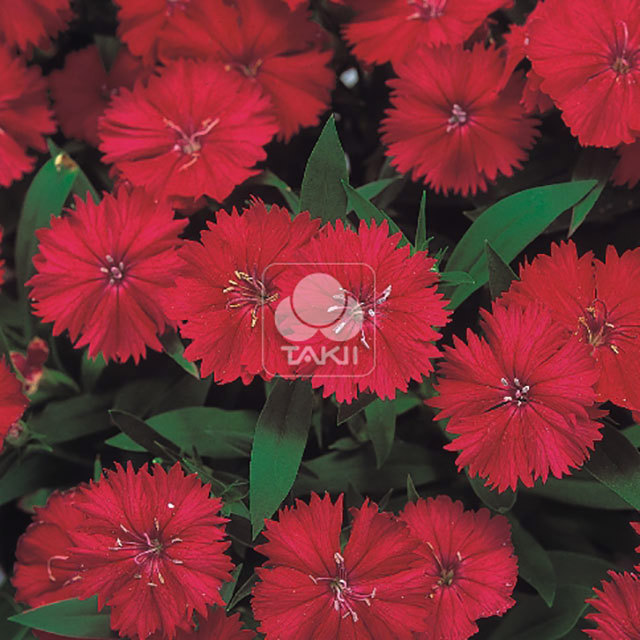
Dianthus Telstar F1 Carmine Rose White Powder
eco White Powder

Dianthus Telstar F1 Carmine Rose – White Powder

Why does your Dianthus Telstar F1 Carmine Rose have white powder? Diagnose the cause and fix it with our step-by-step guide.

pets Pet Friendly

search Possible Causes

error

Powdery Mildew

This fungal disease, caused by species such as Podosphaera takashimaensis, is common in Dianthus when humidity is high and airflow is poor. It manifests as a white, flour-like coating on the leaves and stems of the Telstar carnation.

Very Common
lightbulb
How to confirm: Check if the white patches are easily wiped off with your finger or appear fuzzy under magnification.
build How to fix it
shopping_cart Recommended Products
1 Apply an organic fungicide to eliminate the existing fungal spores and prevent further spread across the plant.
2 Improve air circulation around the plant and reduce humidity by spacing plants further apart and avoiding overhead watering.
3 Prune and carefully dispose of heavily infected leaves and stems to prevent the fungus from spreading to healthy tissue.
warning

Botrytis cinerea (Gray Mold)

While primarily known for causing brown rot, early stages of Botrytis can present as light-colored, fuzzy patches on the flower buds and foliage of carnations. This is especially prevalent in damp, cool environments.

Common
lightbulb
How to confirm: Examine if the white patches are accompanied by soft, decaying tissue or browning on the flower petals.
build How to fix it
shopping_cart Recommended Products
1 Prune and remove all infected flower buds and foliage immediately to prevent the mold from spreading to healthy parts of the plant.
2 Apply an organic fungicide to control the spread of the mold and protect remaining healthy tissue.
3 Improve air circulation around the plant and reduce humidity by avoiding overhead watering, ensuring the soil and foliage dry quickly.
warning

Mealybugs

Infestations of mealybugs can look like white powder or cottony masses, particularly in the crevices where the foliage meets the stem. These insects suck sap from the Dianthus plant, causing physiological stress.

Common
lightbulb
How to confirm: Look for small, moving white insects nestled deep within the leaf axils or near the base of the flower heads.
build How to fix it
shopping_cart Recommended Products
1 Isolate the plant immediately to prevent the mealybugs from spreading to other greenery and treat the infestation with an organic insecticide spray.
2 Use a cotton swab dipped in isopropyl alcohol to manually remove visible white cottony masses from the crevices of the stems and foliage.
3 Monitor the plant closely for new white clusters and use yellow sticky traps to capture any flying adult insects or migrating pests.
warning

Mineral Deposits (Hard Water Residue)

If you use tap water high in calcium or magnesium, dried droplets on the leaves can leave a white, crusty residue that mimics fungal growth.

Common
lightbulb
How to confirm: Try wiping a leaf with a damp cloth; if the white substance disappears without leaving any fuzzy texture, it is likely mineral buildup.
build How to fix it
shopping_cart Recommended Products
1 Gently wipe the leaves with a soft, damp cloth to remove the crusty mineral buildup and prevent it from hardening.
2 Switch to using distilled water or rainwater for future misting and watering to prevent new calcium and magnesium deposits from forming.
3 Monitor the soil moisture levels to ensure you are not overwatering, which can exacerbate mineral accumulation in the substrate.
local_hospital All symptoms eco All plants with white powder
favorite