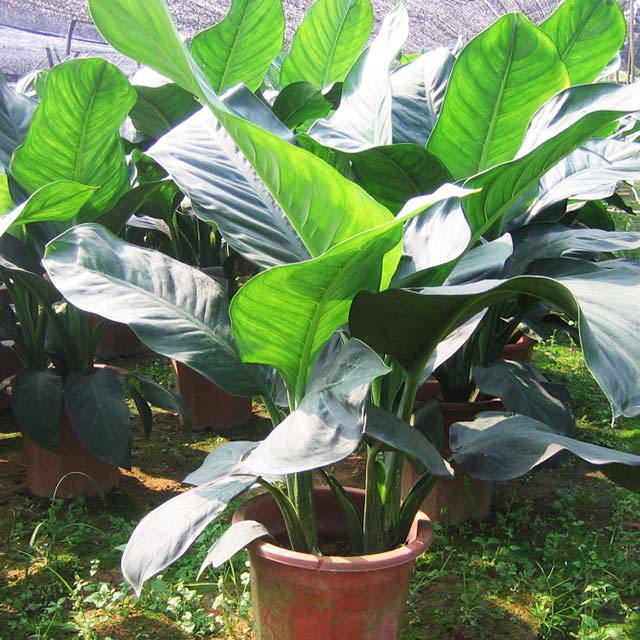
Dieffenbachia Big Ben White Cottony Spots
eco White Cottony Spots

Dieffenbachia Big Ben – White Cottony Spots

Why does your Dieffenbachia Big Ben have white cottony spots? Diagnose the cause and fix it with our step-by-step guide.

search Possible Causes

error

Mealybugs

These small, sap-sucking insects secrete a white, waxy, cottony substance to protect themselves as they colonize the nodes and leaf axils of your Dieffenbachia. They weaken the plant by draining nutrients directly from the stem and leaves.

Very Common
lightbulb
How to confirm: Use a magnifying glass or smartphone zoom to look for tiny, moving insects hidden deep within the leaf junctions.
build How to fix it
shopping_cart Recommended Products
1 Isolate the plant immediately from other greenery to prevent the mealybugs from spreading to your entire collection.
2 Treat the infestation by spraying the plant with an organic insecticide to kill the insects and their waxy coating.
3 Use a cotton swab dipped in isopropyl alcohol to manually remove any visible white cottony clusters from the stems and leaf axils.
warning

Cottony Scale

Similar to mealybugs, these pests create white, felt-like patches on the surface of the leaves and stems. They can cause yellowing and stunted growth in Dieffenbachia by interfering with the plant's vascular system.

Common
lightbulb
How to confirm: Check if the white spots are stationary and if there is a sticky residue (honeydew) on the leaves below the spots.
build How to fix it
shopping_cart Recommended Products
1 Isolate the plant immediately to prevent the spread of scale to other houseplants and wipe away visible white patches with a cotton swab dipped in isopropyl alcohol.
2 Apply an organic insecticide spray to the leaves and stems to eliminate remaining pests and prevent further infestation.
3 Monitor the plant's health and ensure it is in a well-ventilated area to discourage pest resurgence.
warning

Sclerotinia/Fungal Rot

In high-humidity environments, certain fungal pathogens can manifest as white, fuzzy mycelium on decaying plant tissue. This often occurs if the Dieffenbachia's base or leaf petiole is experiencing moisture-related decay.

Common
lightbulb
How to confirm: Gently press the white area to see if the underlying plant tissue feels soft, mushy, or smells of decay.
build How to fix it
shopping_cart Recommended Products
1 Prune away all affected leaves and stems showing white fuzzy growth using sterilized shears to prevent the fungus from spreading to healthy tissue.
2 Apply a fungicide to the plant to combat the fungal pathogen and prevent further decay of the plant base.
3 Reduce humidity and ensure the soil is not waterlogged; use a moisture meter to monitor the soil and prevent overwatering.
local_hospital All symptoms eco All plants with white cottony spots
favorite


