Digitalis lanata Leggy Stems
eco Leggy Stems

Digitalis lanata – Leggy Stems

Why does your Digitalis lanata have leggy stems? Diagnose the cause and fix it with our step-by-step guide.

search Possible Causes

error

Insufficient Light Exposure

Digitalis lanata requires significant sunlight to maintain structural integrity. When light levels are low, the plant undergoes etiolation, stretching its stems rapidly to search for a light source.

Very Common
lightbulb
How to confirm: Observe if the internodes (distance between leaves) are significantly elongated compared to healthy specimens in full sun.
build How to fix it
shopping_cart Recommended Products
1 Move your plant to a location that receives much higher levels of direct or bright indirect sunlight to stop the stretching process.
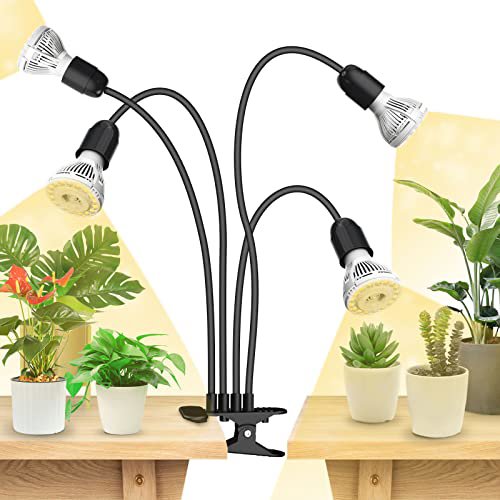
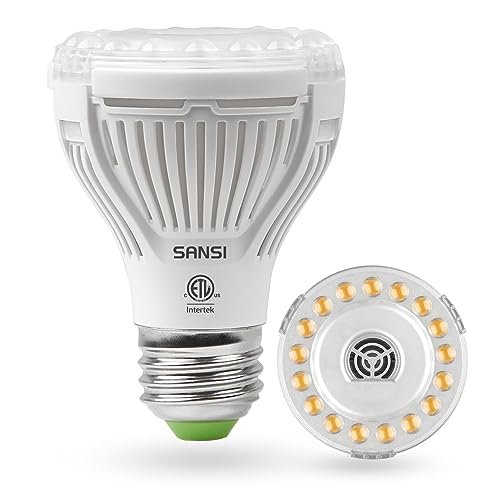
2 Supplement existing light with a full-spectrum grow light to provide the necessary intensity for structural strength.
3 Prune the excessively elongated, weak stems using sharp, clean shears to prevent the plant from collapsing under its own weight.
warning

Nitrogen Imbalance

An excess of nitrogen-rich fertilizer can stimulate rapid, succulent vegetative growth at the expense of stem strength, leading to weak, floppy, and leggy stalks in Foxgloves.

Common
lightbulb
How to confirm: Review your recent fertilization history to see if high-nitrogen products were applied during the early growth stage.
build How to fix it
shopping_cart Recommended Products
1 Reduce nitrogen-heavy fertilizers and switch to a more balanced or phosphorus-rich formula to promote stem strength and structural integrity.
2 Provide supplemental light to prevent further stretching of the stems, ensuring the plant receives adequate energy for sturdy growth.
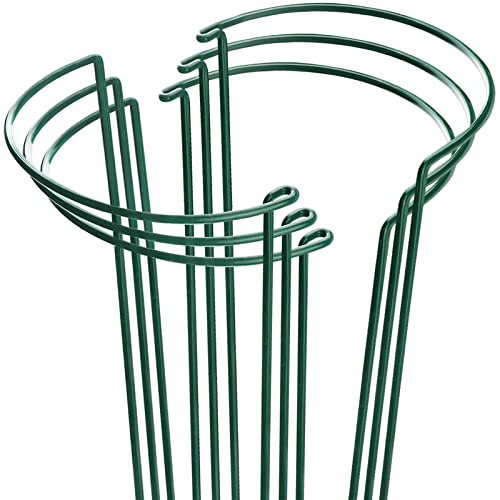
3 Gently stake the weak, floppy stalks using soft supports to prevent them from snapping under their own weight.
warning

High Planting Density

If Woolly Foxgloves are planted too closely together, they compete for light and space, forcing individual plants to grow taller and thinner to escape the shade of neighbors.

Common
lightbulb
How to confirm: Check the spacing between individual plants to ensure they have adequate room to expand laterally.
build How to fix it
shopping_cart Recommended Products
1 Thin out the plants by removing the weakest, most crowded individuals to reduce competition for light and nutrients.
2 Provide supplemental lighting if the area is shaded, or move the remaining plants to a location with more direct sunlight.
3 Repot the remaining plants into larger, individual containers to ensure they have adequate space for root and stem expansion.
warning

Temperature Fluctuations

Unexpectedly warm spring temperatures can trigger rapid stem elongation before the plant has developed sufficient root mass or leaf area to support its weight.

Common
lightbulb
How to confirm: Compare recent local temperature trends with the timing of the sudden growth spurt in your garden.
build How to fix it
shopping_cart Recommended Products
1 Stabilize the plant's environment by protecting it from sudden temperature shifts, ideally using a greenhouse or a sheltered spot to maintain consistent warmth.
2 Provide supplemental light to encourage sturdier, more compact growth and prevent further stretching of the stems.
3 Support the heavy, elongated stems with physical stakes to prevent them from bending or breaking under their own weight.
local_hospital All symptoms eco All plants with leggy stems
favorite