Dionaea muscipula Sticky Leaves
eco Sticky Leaves

Dionaea muscipula – Sticky Leaves

Why does your Dionaea muscipula have sticky leaves? Diagnose the cause and fix it with our step-by-step guide.

search Possible Causes

error

Normal Nectar Production

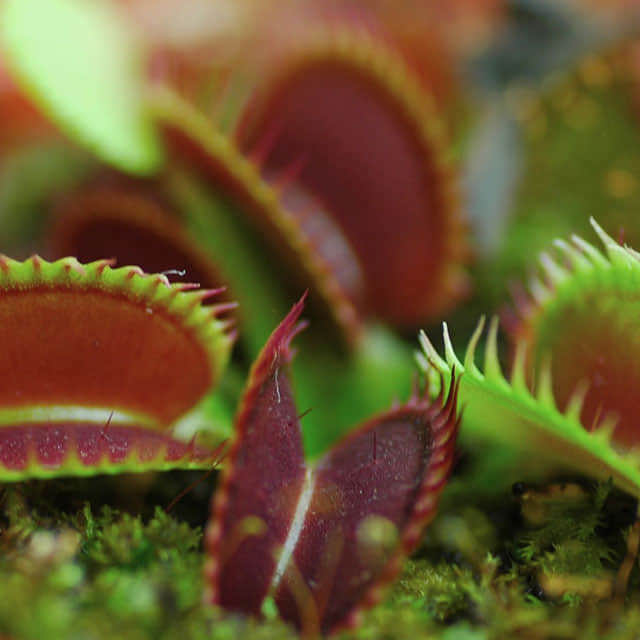
Venus Flytraps produce a sweet-smelling, sticky secretion from the margins of their traps to attract and temporarily immobilize prey. This is a natural physiological process for attracting insects.

Very Common
lightbulb
How to confirm: Observe if the stickiness is localized to the edges of the trap lobes where nectar glands are located.
build How to fix it
shopping_cart Recommended Products
1 Monitor the plant for any signs of actual pests, such as aphids or scale, to ensure the stickiness is indeed nectar and not insect honeydew.
2 Maintain high humidity around the traps to support the natural nectar production process.
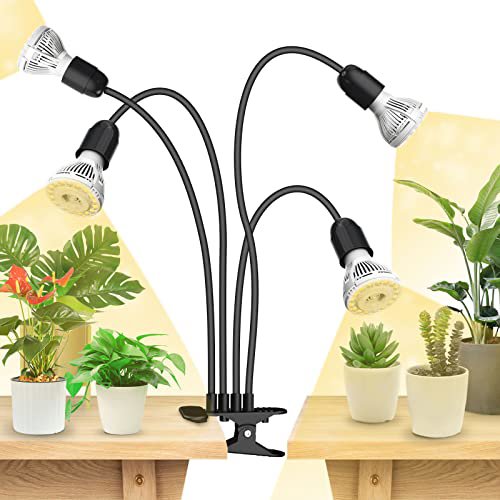
3 Ensure the plant is receiving adequate light to fuel its metabolic processes, such as using a full-spectrum grow light if natural light is insufficient.
warning

Honeydew from Aphids or Scale Insects

Sap-sucking pests like aphids can colonize the tender tissue of Dionaea traps, excreting a sugary substance known as honeydew. This often leads to secondary growth of black sooty mold on the leaves.

Common
lightbulb
How to confirm: Inspect the underside of the traps and the base of the leaves for tiny moving insects or white cottony masses.
build How to fix it
shopping_cart Recommended Products
1 Apply an organic insecticide to eliminate the aphid or scale insect population and stop the production of honeydew.
2 Gently wipe the sticky leaves with a damp cloth or cotton swab to remove the honeydew and any developing sooty mold.
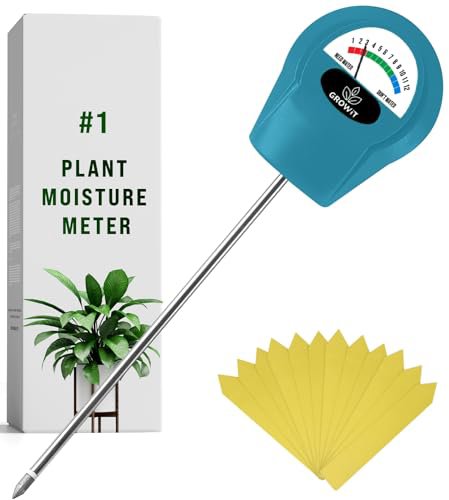
3 Monitor soil moisture levels closely, as pests can stress the plant's hydration, using a moisture meter to ensure the substrate remains damp but not waterlogged.
warning

Excessive Humidity/Condensation

In environments with extremely high humidity or poor air circulation, moisture can condense on the leaf surfaces and mix with natural nectar, creating a thick, tacky film.

Common
lightbulb
How to confirm: Check if the stickiness is accompanied by a heavy fog or droplets on the plant surface during the morning.
build How to fix it
shopping_cart Recommended Products
1 Improve air circulation around the plant by using a small fan or moving it to a less stagnant area to prevent moisture from condensing on the leaves.
2 Gently wipe the leaves with a soft, damp cloth to remove the sticky nectar buildup and prevent fungal growth.
3 Monitor the soil moisture levels to ensure the substrate remains damp but not waterlogged, which can contribute to high humidity levels.

Other Dionaea muscipula problems

Your plant might also be experiencing one of these issues:

local_hospital All symptoms eco All plants with sticky leaves
favorite