Drosera adelae Sticky Leaves
eco Sticky Leaves

Drosera adelae – Sticky Leaves

Why does your Drosera adelae have sticky leaves? Diagnose the cause and fix it with our step-by-step guide.

pets Pet Friendly

search Possible Causes

error

Healthy Mucilage Production

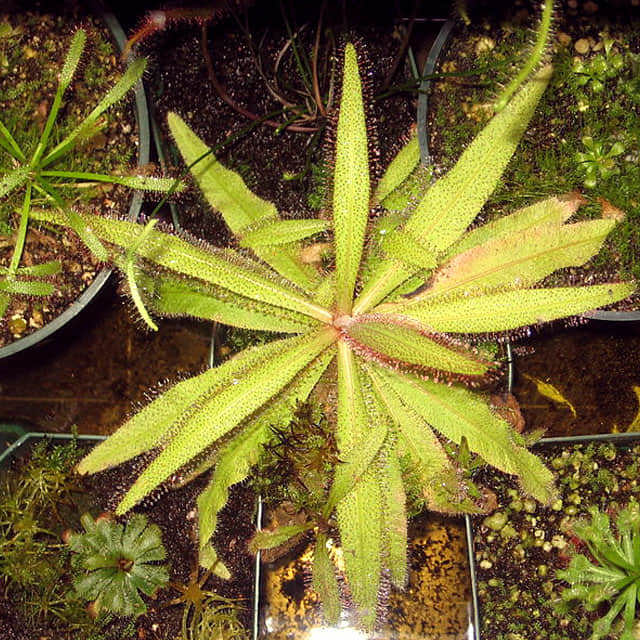
The sticky substance is actually mucilage, which Drosera adelae produces naturally to trap insects. If the plant is receiving sufficient light and nutrients from prey, thick, glistening droplets are a sign of excellent health.

Very Common
lightbulb
How to confirm: Observe if the droplets are clear and abundant, especially on the leaf tentacles during daylight hours.
build How to fix it
shopping_cart Recommended Products
1 Monitor the glistening droplets to ensure they remain thick and clear, as this indicates the plant is successfully producing mucilage for prey capture.
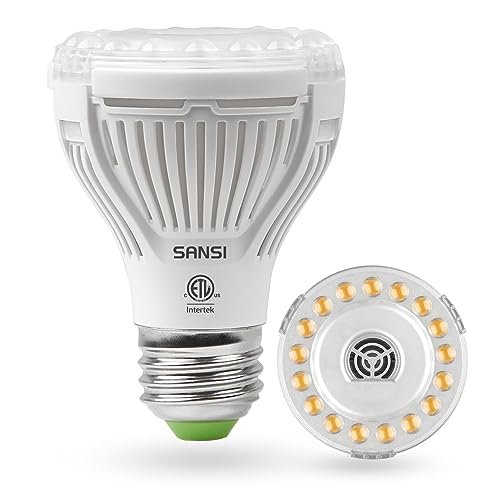
2 Ensure the plant receives adequate light to maintain mucilage production; consider using a full-spectrum grow light if natural light is insufficient.
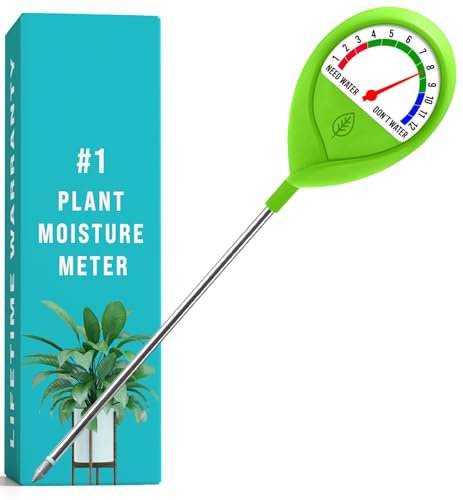
3 Maintain consistent moisture levels in the substrate using a moisture meter to prevent the plant from drying out, which could cause mucilage production to cease.
warning

Low Humidity/Environmental Stress

While the plant is naturally sticky, extreme dehydration or very low humidity can cause the mucilage to dry out or appear more concentrated and thick. This is often a response to the plant trying to maintain moisture levels.

Common
lightbulb
How to confirm: Check if the droplets look 'stringy' or dry up quickly when exposed to air.
build How to fix it
shopping_cart Recommended Products
1 Increase ambient humidity around the plant by using a pebble tray or a nearby humidifier to prevent the mucilage from drying out.
2 Monitor soil moisture levels closely to ensure the substrate remains consistently damp, using a moisture meter to prevent dehydration.
3 Mist the plant regularly with a fine spray bottle to provide immediate surface hydration and boost local humidity.
warning

Nutrient Deficiency/Lack of Prey

If a Drosera adelae is not catching enough insects, it may reduce mucilage production to conserve energy. A lack of sticky droplets often correlates with stunted growth or pale leaf coloration.

Common
lightbulb
How to confirm: Check if you have recently provided any dried bloodworms or live micro-prey to the plant.
build How to fix it
shopping_cart Recommended Products
1 Ensure the plant is receiving adequate light to support mucilage production, as low light can lead to reduced stickiness.
2 Provide supplemental nutrition by introducing small insects like fruit flies or gnats to the plant's environment to stimulate mucilage secretion.
3 Monitor soil moisture levels closely using a moisture meter to ensure the substrate remains consistently damp, which is vital for carnivorous plant health.
local_hospital All symptoms eco All plants with sticky leaves
favorite