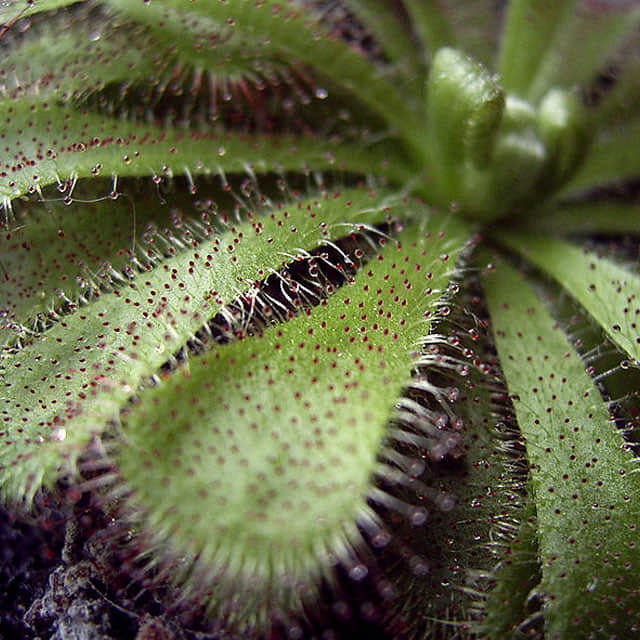
Drosera aliciae Sticky Leaves
eco Sticky Leaves

Drosera aliciae – Sticky Leaves

Why does your Drosera aliciae have sticky leaves? Diagnose the cause and fix it with our step-by-step guide.

pets Pet Friendly

search Possible Causes

error

Normal Physiological Function

The sticky substance, known as mucilage, is a natural feature of Drosera aliciae produced by glandular tentacles to trap and digest insects. If the plant is healthy and the droplets are clear/viscous, this is not a symptom of disease but an indication of vitality.

Very Common
lightbulb
How to confirm: Observe if the droplets are clear and present on the ends of the tentacles; if so, the plant is functioning normally.
build How to fix it
shopping_cart Recommended Products
1 Monitor the clarity and viscosity of the mucilage droplets; clear, glistening dew is a sign of a healthy, active plant.
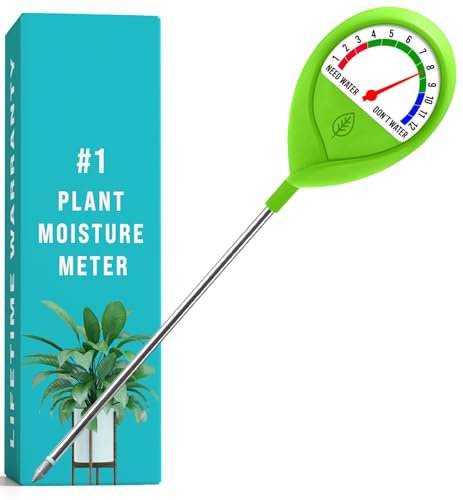
2 Ensure the plant remains in a high-humidity environment and use a moisture meter to maintain consistently damp substrate.
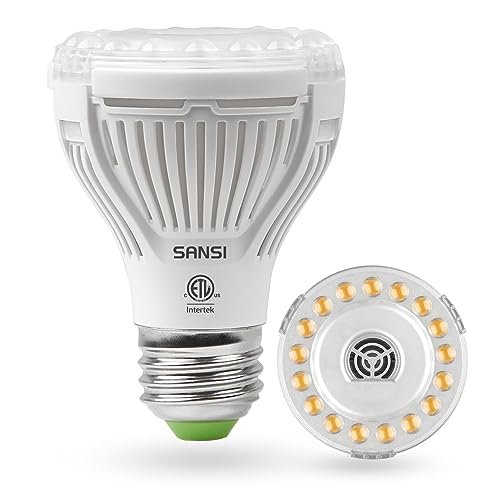
3 Provide adequate light using a full-spectrum grow light to support the energy-intensive production of mucilage.
warning

Low Humidity or Heat Stress

While the mucilage is natural, extreme heat or very low humidity can cause the droplets to dry up or become excessively thick and tacky. This stress response can sometimes lead to an irregular distribution of mucilage across the leaves.

Common
lightbulb
How to confirm: Check if the surrounding air is significantly below 50% humidity or if the plant is sitting in direct, scorching midday sun.
build How to fix it
shopping_cart Recommended Products
1 Increase ambient humidity around the plant to prevent the mucilage from drying out or becoming overly thick.
2 Monitor soil moisture levels closely to ensure the plant remains hydrated during heat stress, using a moisture meter to avoid dehydration.
3 Move the plant to a cooler location with indirect light to mitigate heat stress and stabilize mucilage production.
warning

Nutrient Burn (Mineral Buildup)

If the water used for Drosera aliciae contains high levels of dissolved minerals (TDS), it can cause a buildup of salts in the leaves. This can sometimes interfere with mucilage production or make the residue appear more 'crusty' or chemically sticky.

Common
lightbulb
How to confirm: Test your water source with a TDS meter; it should ideally be below 50 ppm for carnivorous plants.
build How to fix it
shopping_cart Recommended Products
1 Flush the soil thoroughly with distilled water or rainwater to leach out accumulated mineral salts and reduce TDS levels.
2 Transition to using only pure, low-TDS water sources like distilled, RO, or rainwater to prevent future mineral buildup.
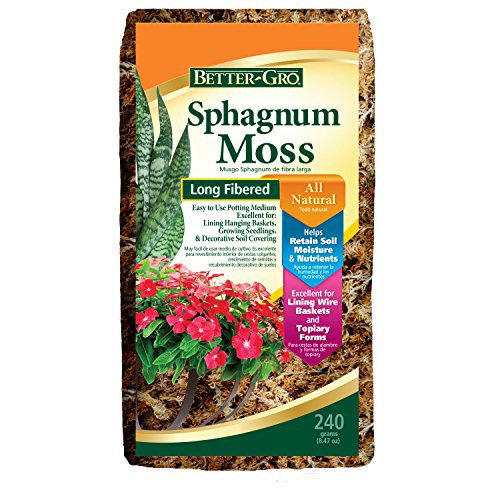
3 Repot the plant in a fresh, nutrient-poor substrate like a mix of sphagnum moss and perlite to ensure no residual salts remain in the root zone.
local_hospital All symptoms eco All plants with sticky leaves
favorite