Dudleya pachyphytum Drooping Leaves
eco Drooping Leaves

Dudleya pachyphytum – Drooping Leaves

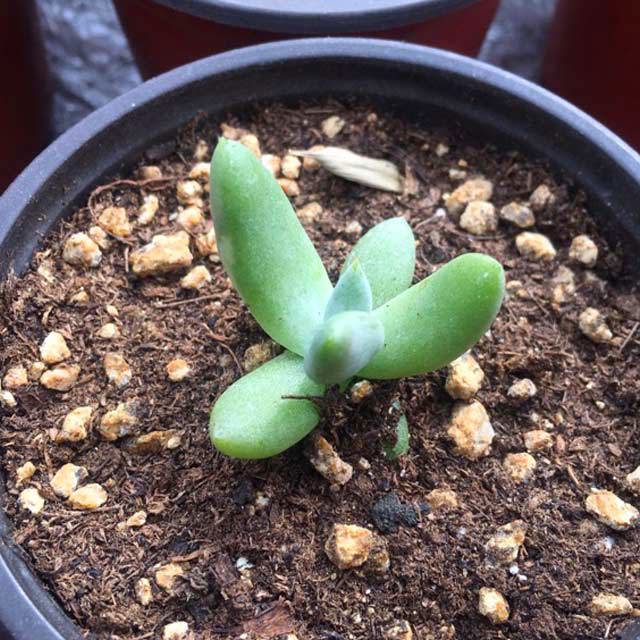
Why does your Dudleya pachyphytum have drooping leaves? Diagnose the cause and fix it with our step-by-step guide.

search Possible Causes

error

Overwatering and Root Rot

Dudleya pachyphytum are succulents adapted to arid environments; excessive moisture causes the roots to decay, preventing the plant from transporting water to the leaves. This leads to a loss of turgor pressure and visible drooping.

Very Common
lightbulb
How to confirm: Gently tug on the base of the plant to see if it feels loose or if the roots appear dark and mushy.
build How to fix it
shopping_cart Recommended Products
1 Immediately remove the plant from the pot and trim away any mushy, black, or foul-smelling roots using sterilized shears.
2 Repot the succulent in a well-draining, gritty substrate to ensure moisture does not sit around the root zone; adding perlite can significantly improve aeration.
3 Use a moisture meter to monitor the soil, ensuring you only water when the medium is completely dry to prevent future rot.
error

Dehydration (Underwatering)

While drought-tolerant, extreme lack of moisture causes the fleshy leaves of the Mexican Rosette to lose their internal water reserves. The cells collapse, resulting in a limp, drooping appearance.

Very Common
lightbulb
How to confirm: Check if the soil is bone dry and feel if the leaves are noticeably wrinkled or thinner than usual.
build How to fix it
shopping_cart Recommended Products
1 Check the soil moisture level immediately using a moisture meter to confirm the depth of dehydration.
2 Thoroughly soak the soil with water until it drains from the bottom of the pot, ensuring the fleshy leaves can reabsorb moisture.
3 Ensure the plant is in a pot with excellent drainage, such as a Root & Vessel cylinder pot, to prevent water from pooling and causing rot after rehydration.
warning

Temperature Stress / Heat Scorch

High temperatures or direct, intense midday sun can cause the plant to wilt as it attempts to reduce transpiration. Extreme heat can damage the delicate tissue of the rosette.

Common
lightbulb
How to confirm: Observe if the drooping coincides with recent heatwaves or if there are darkened, scorched patches on the leaf edges.
build How to fix it
shopping_cart Recommended Products
1 Move the plant to a shaded area or a location with filtered sunlight to protect the leaves from intense midday heat and prevent further tissue damage.
2 Monitor the soil moisture levels closely to ensure the plant is not drying out too quickly during heat waves, but avoid waterlogging the roots.
3 If the plant is in a container, ensure it is placed in a well-ventilated area to reduce heat buildup around the foliage.
warning

Nutrient Deficiency (Nitrogen)

A lack of essential macronutrients can weaken the structural integrity of the succulent's cell walls. This prevents the leaves from maintaining their characteristic upright, plump shape.

Common
lightbulb
How to confirm: Look for overall pale coloration in addition to the drooping leaves.
build How to fix it
shopping_cart Recommended Products
1 Apply a balanced, diluted liquid fertilizer to provide the necessary nitrogen for structural cell wall development.
2 Check the soil moisture levels with a meter to ensure the drooping isn't actually caused by overwatering, which is common in Dudleya.
3 Ensure the plant is in a well-draining substrate, such as a mix containing perlite, to prevent root rot from mimicking deficiency symptoms.

Other Dudleya pachyphytum problems

Your plant might also be experiencing one of these issues:

local_hospital All symptoms eco All plants with drooping leaves
favorite