Dypsis lutescens Sudden Leaf Drop
eco Sudden Leaf Drop

Dypsis lutescens – Sudden Leaf Drop

Why does your Dypsis lutescens have sudden leaf drop? Diagnose the cause and fix it with our step-by-step guide.

pets Pet Friendly

search Possible Causes

error

Overwatering and Root Rot

Excessive moisture in the potting medium causes anaerobic conditions, leading to Pythium or Phytophthora species attacking the roots. As the root system fails, it can no longer support the palm's foliage, causing rapid senescence and leaf drop.

Very Common
lightbulb
How to confirm: Check if the soil feels soggy or smells sour, and inspect the roots for dark, mushy textures.
build How to fix it
shopping_cart Recommended Products
1 Immediately remove the plant from its current pot and inspect the roots for mushy, dark, or foul-smelling decay; trim away any rotted sections using sterilized tools.
2 Repot the palm in a fresh, well-draining medium and ensure the new container has adequate drainage to prevent water pooling.
3 Use a soil moisture meter to monitor the medium, ensuring you only water when the top inch of soil is dry to prevent future anaerobic conditions.
error

Temperature Shock or Cold Drafts

Areca palms are tropical plants that thrive in stable temperatures above 65°F (18°C). Sudden exposure to cold drafts from windows, AC vents, or rapid temperature drops can trigger a stress response resulting in immediate leaf shedding.

Very Common
lightbulb
How to confirm: Check if the plant is positioned near an air conditioning vent or a drafty window during the night.
build How to fix it
shopping_cart Recommended Products
1 Immediately move your Areca palm away from cold drafts, air conditioning vents, or drafty windows to a stable, warm environment above 65°F.
2 Monitor the soil moisture closely to ensure the plant is not also suffering from overwatering, as temperature stress can slow down evaporation.
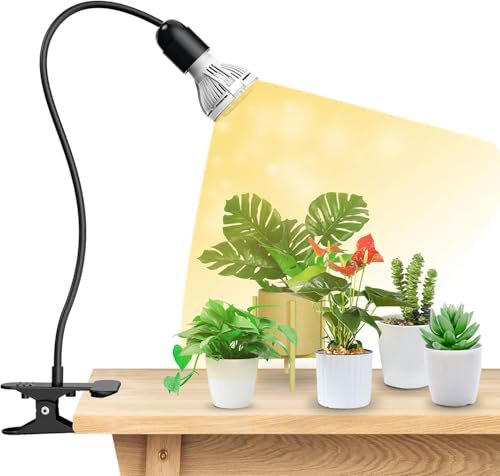
3 If the plant is in a particularly chilly spot, consider using a grow light to provide supplemental warmth and light energy during the recovery period.
warning

Low Humidity and Desiccation

The Areca palm requires high ambient humidity to maintain leaf turgor. If the environment becomes too dry, the plant may drop older leaves as a survival mechanism to reduce transpiration surface area.

Common
lightbulb
How to confirm: Use a hygrometer to check if the relative humidity in the room is consistently below 40%.
build How to fix it
shopping_cart Recommended Products
1 Increase ambient humidity around the palm by using a pebble tray or a fine misting spray bottle to hydrate the foliage.
2 Monitor soil moisture levels closely to ensure the plant remains hydrated without becoming waterlogged, using a moisture meter to prevent further desiccation.
3 Place the plant near a humidifier or in a more humid area of your home to stabilize leaf turgor.
warning

Pest Infestation (Scale or Mealybugs)

Heavy infestations of sap-sucking insects like scale or mealybugs drain the plant's energy reserves. The loss of nutrients and potential introduction of viruses can cause the palm to shed leaves rapidly.

Common
lightbulb
How to confirm: Inspect the undersides of the leaves and the leaf bases for small, white cottony spots or brown bumps.
build How to fix it
shopping_cart Recommended Products
1 Inspect the undersides of leaves and stems for white, cottony masses (mealybugs) or small, brown bumps (scale) and treat immediately with an organic insecticide spray.
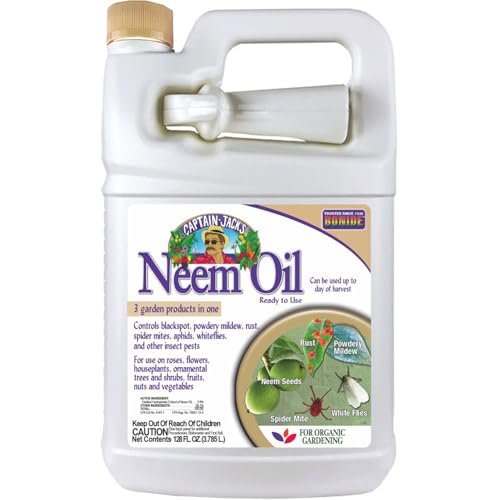
2 Wipe down the plant stems and leaves with a cloth soaked in insecticidal soap or neem oil to physically remove existing pests and prevent further energy loss.
3 Prune away any heavily infested or dead leaves using sterilized shears to prevent the spread of pests to healthy foliage.
local_hospital All symptoms eco All plants with sudden leaf drop
favorite