Echeveria agavoides Red Ebody Yellow Leaves
eco Yellow Leaves

Echeveria agavoides Red Ebody – Yellow Leaves

Why does your Echeveria agavoides Red Ebody have yellow leaves? Diagnose the cause and fix it with our step-by-step guide.

search Possible Causes

error

Overwatering and Root Rot

Excessive moisture in the substrate causes anaerobic conditions, leading to fungal pathogens like Pythium that rot the roots of Echeveria. As roots fail, the plant can no longer transport water, resulting in yellowing leaves starting from the base.

Very Common
lightbulb
How to confirm: Gently lift the plant from its pot to check if the roots are dark, slimy, or soft instead of firm and white.
build How to fix it
shopping_cart Recommended Products
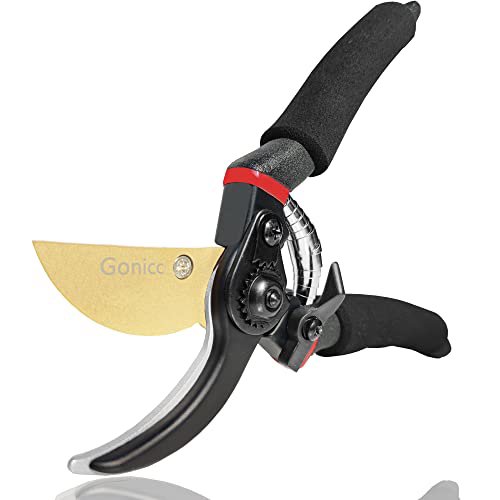
1 Immediately remove the plant from the pot and trim away all mushy, black, or slimy roots using sterilized shears.
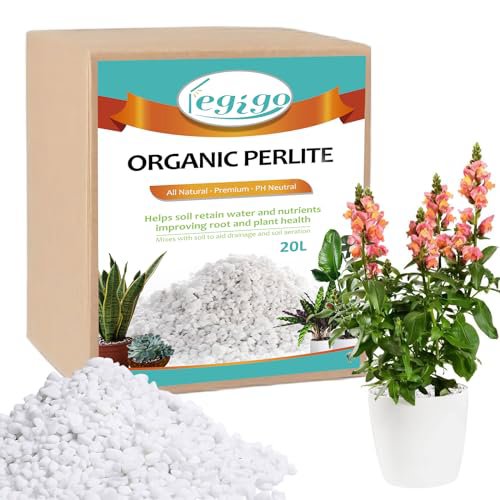
2 Repot the Echeveria in a well-draining, gritty substrate to ensure oxygen reaches the roots and prevent future rot.
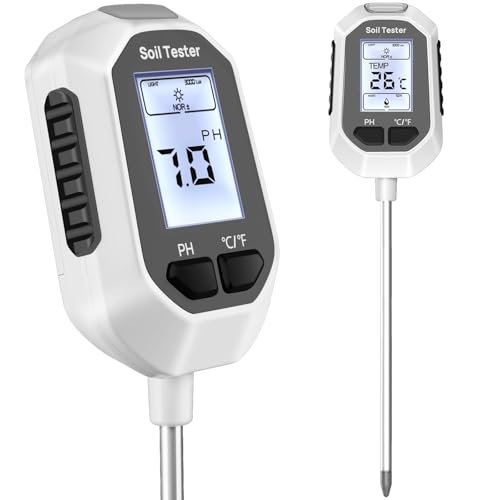
3 Use a moisture meter to monitor the substrate, ensuring you only water when the soil is completely dry to the touch.
warning

Nutrient Deficiency (Nitrogen)

A lack of available nitrogen prevents the formation of chlorophyll in the Echeveria's thick leaves. This causes a progressive yellowing, often starting with older, lower leaves as the plant mobilizes nutrients to new growth.

Common
lightbulb
How to confirm: Check if the yellowing is strictly limited to the oldest bottom leaves while the center remains vibrant red.
build How to fix it
shopping_cart Recommended Products
1 Apply a nitrogen-rich liquid fertilizer to the soil to replenish available nutrients and restore chlorophyll production.
2 Monitor the soil moisture levels using a moisture meter to ensure the nitrogen-enriched water is reaching the roots without causing overwatering.
3 Prune any completely yellow or mushy leaves at the base of the plant to prevent rot and allow the plant to focus energy on new growth.
warning

Sunscald or Light Stress

While 'Red Ebody' requires high light to maintain its pigment, sudden exposure to intense midday sun can bleach the leaf tissue. This-stress-induced chlorophyll degradation often manifests as yellowish or pale patches on the leaf surface.

Common
lightbulb
How to confirm: Look for bleached, dry patches on the parts of the leaves most directly facing the sun source.
build How to fix it
shopping_cart Recommended Products
1 Move the plant to a location with bright, filtered light or provide temporary shade during the hottest parts of the day to prevent further tissue bleaching.
2 Monitor the light intensity using a light meter or by observing the plant's reaction to sun exposure to ensure it receives enough light for pigment but not enough to cause burns.
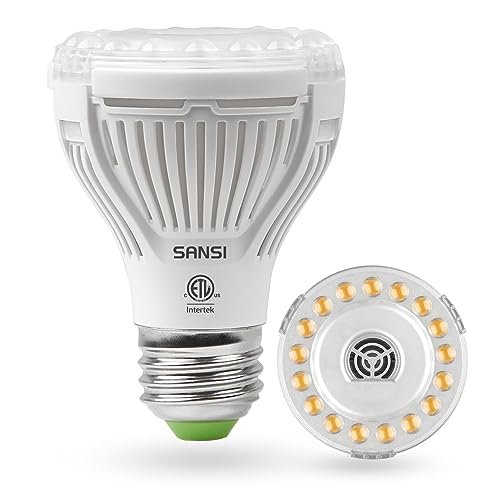
3 If the plant is in a low-light area and the yellowing is due to lack of light intensity, supplement with a full-spectrum grow light to help maintain its red coloration.
warning

Temperature Extremes

Echeveria agavoides is sensitive to cold temperatures below 50°F (10°C). Sudden temperature drops can shock the plant's metabolism, causing the leaves to lose their red pigment and turn a sickly yellow.

Common
lightbulb
How to confirm: Review recent changes in environment or exposure to cold drafts near windows.
build How to fix it
shopping_cart Recommended Products
1 Move your Echeveria to a stable environment with temperatures consistently above 50°F (10°C) to prevent further metabolic shock.
2 Monitor the soil moisture closely using a moisture meter to ensure the plant is not also suffering from overwatering during this period of stress.
3 Apply a light feeding of seaweed fertilizer to help the plant recover from environmental stress and boost nutrient uptake.

Other Echeveria agavoides Red Ebody problems

Your plant might also be experiencing one of these issues:

local_hospital All symptoms eco All plants with yellow leaves
favorite