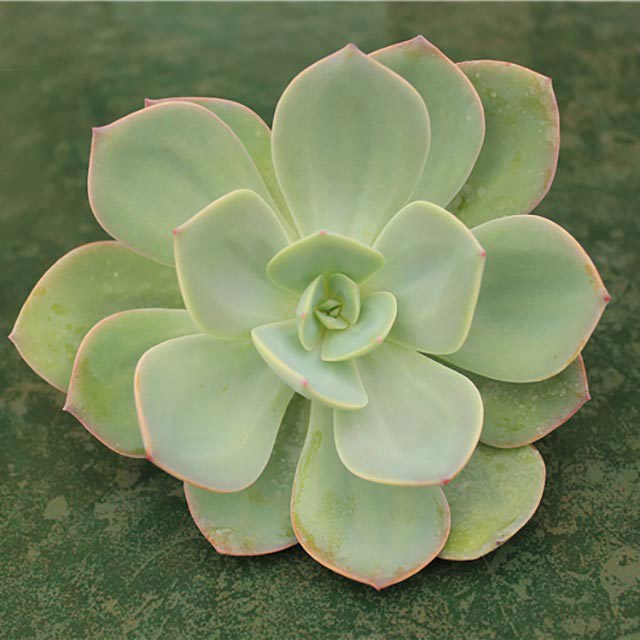
Echeveria Hakuhou Fine Webbing
eco Fine Webbing

Echeveria Hakuhou – Fine Webbing

Why does your Echeveria Hakuhou have fine webbing? Diagnose the cause and fix it with our step-by-step guide.

pets Pet Friendly

search Possible Causes

error

Two-Spotted Spider Mite Infestation

Spider mites are common pests for succulent species like Echeveria Hakuhou, thriving in warm, dry conditions. They pierce the cell walls of the thick leaves to suck out nutrients, leaving behind fine silk webbing as they create colonies.

Very Common
lightbulb
How to confirm: Tap a leaf over a white piece of paper to see if tiny crawling dots fall off.
build How to fix it
shopping_cart Recommended Products
1 Immediately spray the plant with an organic insecticide/miticide to kill existing mites and larvae.
2 Increase humidity and reduce dry heat around the plant, as spider mites thrive in arid environments.
3 Gently wipe the leaves with a damp cloth to physically remove webbing and any remaining mite colonies.
error

Tetranychus urticae (European Red Spider Mite)

A specific subtype of spider mite that prefers the microclimate found between the tightly packed rosettes of Hakuhou. These mites cause stippling (small pale spots) on the fleshy leaves before significant webbing appears.

Very Common
lightbulb
How to confirm: Use a magnifying glass to inspect the undersides of the lower leaves for reddish-brown moving specks.
build How to fix it
shopping_cart Recommended Products
1 Isolate the plant immediately to prevent the mites from spreading to other houseplants and spray the leaves thoroughly with an organic miticide.
2 Gently wipe the undersides of the leaves and the tight crevices of the rosette with a damp cloth to physically remove webbing and mite populations.
3 Increase humidity around the plant and ensure better airflow, as spider mites thrive in hot, dry microclimates.
warning

Low Humidity/Dehydration Stress

While not a direct producer of webbing, extreme lack of humidity can cause dust and fine mineral deposits to accumulate in the silken structures left by dormant mites. This makes the plant appear 'webby' or dusty even if pest numbers are low.

Common
lightbulb
How to confirm: Check if the leaves feel unusually limp or thin despite the soil being dry.
build How to fix it
shopping_cart Recommended Products
1 Inspect the undersides of leaves and crevices for tiny moving dots or eggs to confirm if spider mites are present; if found, treat with an organic miticide.
2 Increase local humidity around the Echeveria by using a pebble tray or a fine misting tool to prevent dust and mineral buildup on the leaves.
3 Gently wipe the leaves with a damp cloth to remove accumulated dust and mineral deposits that mimic the appearance of webbing.

Other Echeveria Hakuhou problems

Your plant might also be experiencing one of these issues:

local_hospital All symptoms eco All plants with fine webbing
favorite

