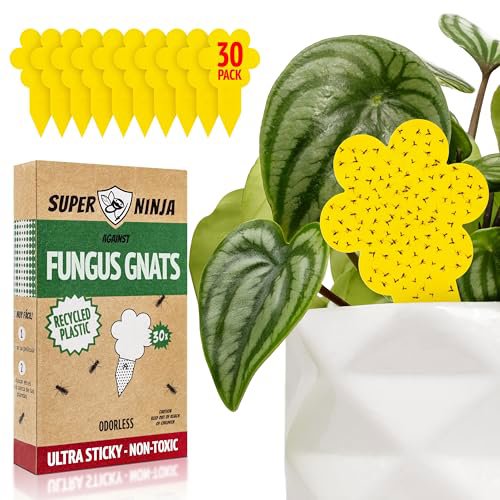
Why does your Echeveria macdougallii have sticky leaves? Diagnose the cause and fix it with our step-by-step guide.
Pet FriendlyScale insects attach to the underside of Echeveria leaves and suck sap, excreting 'honeydew,' a sticky substance that often attracts black sooty mold. This is a common pest for succulent species kept in humid environments.
Aphids are soft-bodied insects that pierce Echeveria tissue to feed on fluids, leaving behind a sticky residue known as honeydew. They often cluster around the tender growth points and leaf junctions of the rosette.
While Mealybugs are known for their white cottony appearance, they also produce honeydew as a byproduct of feeding on the plant's vascular system. This can lead to a sticky film across the leaf surfaces.
If the Macdougall's Echeveria has recently bloomed, the sticky sensation may be dried nectar left behind by the flowers. This is a natural physiological process and not an indicator of disease.
Your plant might also be experiencing one of these issues:

 English
 Italiano