Echeveria Mexican Snowball Leggy Stems
eco Leggy Stems

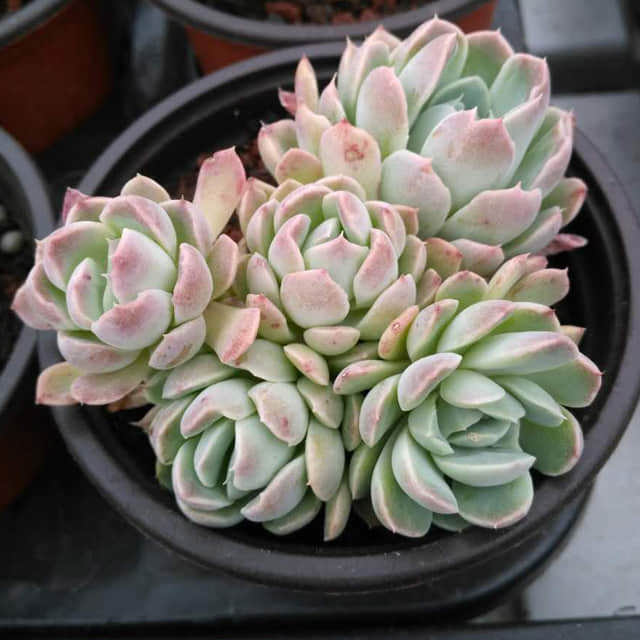
Echeveria Mexican Snowball – Leggy Stems

Why does your Echeveria Mexican Snowball have leggy stems? Diagnose the cause and fix it with our step-by-step guide.

search Possible Causes

error

Insufficient Light (Etiolation)

As a succulent, Echeveria requires intense light; lack of brightness causes the plant to stretch its stems toward the nearest light source to maximize photosynthesis. This results in elongated internodes and a loss of the characteristic tight rosette shape.

Very Common
lightbulb
How to confirm: Observe if the leaves are spaced further apart on the stem than they were previously or if the plant is leaning noticeably towards a window.
build How to fix it
shopping_cart Recommended Products
1 Move your Echeveria to a location with much brighter, direct sunlight, such as a south-facing window, to stop the stems from stretching.
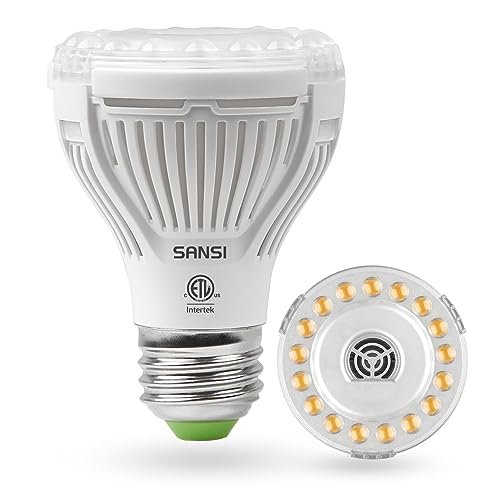
2 Supplement natural light with a full-spectrum grow light to provide the intense brightness necessary for maintaining a tight rosette shape.
3 Prune the elongated, leggy stems using sterilized shears to encourage new, compact growth from the base.
warning

Overwatering and Root Decline

Excessive moisture can weaken the structural integrity of the stem and cause the roots to rot. When roots fail, the plant cannot support its own weight or maintain turgor pressure, leading to a collapsed or 'leggy' appearance.

Common
lightbulb
How to confirm: Gently lift the plant to see if the roots are dark, mushy, or emitting an unpleasant odor.
build How to fix it
shopping_cart Recommended Products
1 Immediately stop watering and allow the soil to dry out completely to prevent further root rot.
2 Repot the Echeveria in a well-draining succulent mix, incorporating perlite to improve aeration and prevent future moisture buildup.
3 Prune any mushy or blackened stems and use a healthy cutting to propagate a new plant in fresh, dry substrate.
warning

High Temperature and Heat Stress

Extremely high ambient temperatures can cause rapid, weak growth spurts that lack density. This 'stretching' is a physiological response to heat-induced transpiration stress in succulent species.

Common
lightbulb
How to confirm: Check if the plant is located near a heat vent or in an area that exceeds 85°F (29°C) for extended periods.
build How to fix it
shopping_cart Recommended Products
1 Move your Echeveria to a cooler location with bright, indirect light to reduce transpiration stress and prevent further stretching.
2 Monitor soil moisture closely to ensure the plant isn't drying out too rapidly due to heat; use a moisture meter to maintain consistent hydration.
3 Provide supplemental light if the plant is stretching due to low light intensity, but ensure the temperature remains stable.

Other Echeveria Mexican Snowball problems

Your plant might also be experiencing one of these issues:

local_hospital All symptoms eco All plants with leggy stems
favorite