Echeveria Monroe Yellow Leaves
eco Yellow Leaves

Echeveria Monroe – Yellow Leaves

Why does your Echeveria Monroe have yellow leaves? Diagnose the cause and fix it with our step-by-step guide.

pets Pet Friendly

search Possible Causes

error

Overwatering and Root Rot

Echeveria Monroe is a succulent that stores water in its fleshy leaves; excessive soil moisture prevents oxygen from reaching the roots, leading to cell death and yellowing. This is the most common cause of chlorosis in this species.

Very Common
lightbulb
How to confirm: Gently tug on the leaves to see if they detach easily and check if the base of the stem or roots feel soft and mushy.
build How to fix it
shopping_cart Recommended Products
1 Immediately remove the plant from the pot and inspect the roots; trim away any mushy, black, or foul-smelling roots using sterilized tools.
2 Repot the Echeveria in a fresh, well-draining succulent mix and use a container with excellent drainage, such as a Root & Vessel cylinder pot.
3 Amend the new soil with perlite to increase aeration and prevent future water retention, and use a moisture meter to ensure the soil dries out completely between waterings.
warning

Nutrient Deficiency (Nitrogen)

A lack of nitrogen prevents the plant from producing chlorophyll, causing older, lower leaves to turn pale yellow before progressing upward. This occurs often in succulents grown in depleted, sandy potting mixes for extended periods.

Common
lightbulb
How to confirm: Observe if the yellowing is starting specifically on the oldest, bottom-most leaves while newer growth remains green.
build How to fix it
shopping_cart Recommended Products
1 Apply a nitrogen-rich organic fertilizer to replenish the soil nutrients and restore chlorophyll production.
2 Repot the Echeveria in a fresh, well-draining succulent mix to provide a new reservoir of essential minerals.
3 Monitor soil moisture levels using a meter to ensure you are not overwatering, which can exacerbate yellowing symptoms.
warning

Sunscald or Light Stress

While Echeveria Monroe loves bright light, sudden exposure to intense, direct midday sun can bleach the leaf pigments, resulting in yellowish patches. This is common when moving a plant from low light directly into high-intensity sunlight.

Common
lightbulb
How to confirm: Check if the yellowing appears as localized, dry, papery patches on the parts of the leaves most exposed to the sun.
build How to fix it
shopping_cart Recommended Products
1 Gradually acclimate your Echeveria to brighter light by moving it to a spot with filtered sunlight or increasing exposure by only an hour each day.
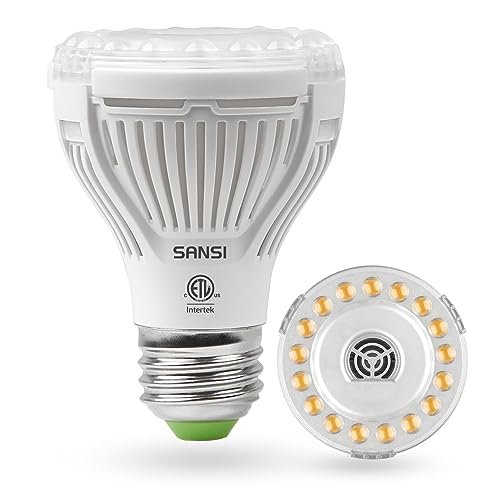
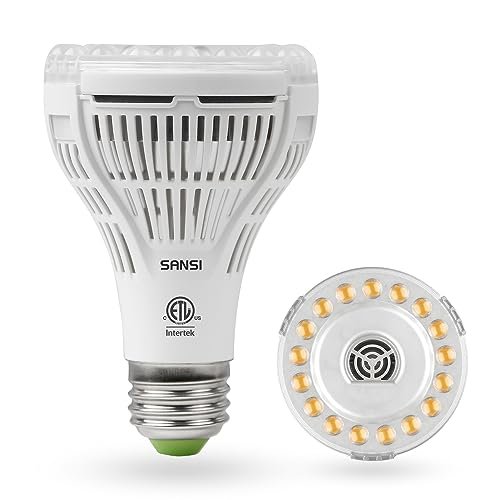
2 Provide supplemental lighting if natural light is insufficient, using a full-spectrum bulb to maintain healthy pigmentation without the heat of direct sun.
3 Monitor the soil moisture levels to ensure the plant is not also experiencing root stress, which can mimic light-induced yellowing.
warning

Temperature Stress (Cold Damage)

Exposure to temperatures below 40°F (4°C) can cause the cellular structure of Echeveria leaves to collapse, leading to a translucent yellow or yellowish-white appearance. This is particularly common during winter months if the plant is kept near drafty windows.

Common
lightbulb
How to confirm: Check if the yellowing coincided with a recent drop in indoor or outdoor temperature.
build How to fix it
shopping_cart Recommended Products
1 Move the plant away from drafty windows or cold surfaces to a stable environment that stays above 40°F (4°C).
2 Monitor the soil moisture closely to ensure the plant is not being overwatered while in a cold, low-light state.
3 If the plant is in a particularly dark area, provide supplemental warmth and light using a full-spectrum grow light to aid recovery.

Other Echeveria Monroe problems

Your plant might also be experiencing one of these issues:

local_hospital All symptoms eco All plants with yellow leaves
favorite