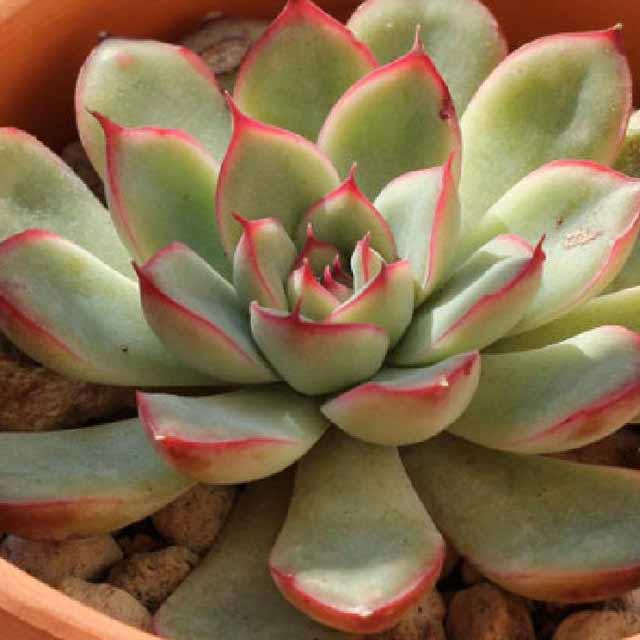
Echeveria Moon Goddess Sudden Leaf Drop
eco Sudden Leaf Drop

Echeveria Moon Goddess – Sudden Leaf Drop

Why does your Echeveria Moon Goddess have sudden leaf drop? Diagnose the cause and fix it with our step-by-step guide.

search Possible Causes

error

Overwatering and Root Rot

Excessive moisture causes the roots of Echeveria Moon Goddess to suffocate and decay, leading to a systemic failure where leaves lose their connection to the stem. This is the most common cause of sudden leaf drop in succulents.

Very Common
lightbulb
How to confirm: Gently tug on a leaf; if it detaches with zero resistance and the base feels mushy, root rot is likely.
build How to fix it
shopping_cart Recommended Products
1 Immediately remove the plant from its current pot and trim away any mushy, black, or foul-smelling decayed roots using sterilized tools.
2 Repot the Echeveria in a well-draining, gritty substrate specifically designed for succulents to prevent future moisture retention.
3 Use a moisture meter to monitor the soil, ensuring you only water when the medium is completely dry to the touch.
warning

Temperature Shock or Cold Stress

Echeveria Moon Goddess is sensitive to frost and sudden drops in temperature. Exposure to temperatures below 40°F (4°C) can cause cellular collapse, leading to rapid leaf shedding.

Common
lightbulb
How to confirm: Check if the plant was recently moved near a drafty window or exposed to nighttime low temperatures.
build How to fix it
shopping_cart Recommended Products
1 Immediately move the plant to a warmer, stable environment, ensuring temperatures remain consistently above 50°F (10°C) to prevent further cellular damage.
2 Check the soil moisture levels using a moisture meter to ensure the cold stress hasn't led to waterlogged soil, which can cause root rot in stressed succulents.
3 Avoid applying fertilizer until the plant shows new, healthy growth, as feeding a stressed plant can cause further harm.
warning

Pest Infestation (Mealybugs)

Mealybugs feed on the sap of the Moon Goddess, weakening the plant's vascular system and causing leaves to drop as they lose moisture. Large infestations can cause rapid decline.

Common
lightbulb
How to confirm: Inspect the leaf axils (where the leaf meets the stem) for small, white, cottony clusters.
build How to fix it
shopping_cart Recommended Products
1 Isolate the plant immediately to prevent mealybugs from spreading to other houseplants.
2 Apply an organic insecticide spray to the plant, ensuring you coat the undersides of leaves and crevices where mealybugs hide.
3 Check the soil moisture levels to ensure the plant is not also suffering from overwatering, which can exacerbate leaf drop.
warning

Nutrient Deficiency or Soil Depletion

If the growing medium is extremely old and depleted of essential minerals, the plant may shed older leaves to conserve energy for the meristem. This usually happens more gradually than rot but can appear sudden if the plant reaches a breaking point.

Common
lightbulb
How to confirm: Check if you have repotted the succulent in the same soil for more than two years.
build How to fix it
shopping_cart Recommended Products
1 Inspect the growing medium for signs of depletion or compaction; if the soil is old and hard, repot the Echeveria in a fresh, well-draining succulent mix.
2 Apply a diluted organic liquid fertilizer to replenish essential minerals and support new growth.
3 Use a moisture meter to ensure the soil is not staying too wet, as overwatering can also trigger leaf drop in succulents.

Other Echeveria Moon Goddess problems

Your plant might also be experiencing one of these issues:

local_hospital All symptoms eco All plants with sudden leaf drop
favorite