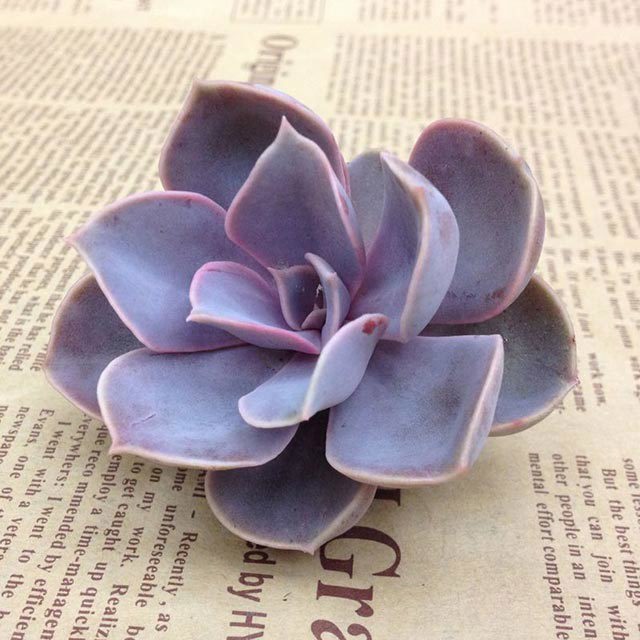
Why does your Echeveria Perle von Nürnberg have fine webbing? Diagnose the cause and fix it with our step-by-step guide.
These microscopic arachnids thrive in the warm, dry conditions preferred by Echeveria. They pierce the succulent's leaf cells to suck out chlorophyll, leaving behind fine silk webbing as they create colonies.
Unlike spider mites, broad mites are nearly invisible but can cause fine silken structures and distorted, stunted growth in Echeveria rosettes. They primarily attack the growing points of the plant.
In rare cases, extremely high humidity combined with poor airflow can cause certain fungal species to produce visible thread-like structures that mimic webbing on the leaf surface.
Your plant might also be experiencing one of these issues:

 English
 Italiano


