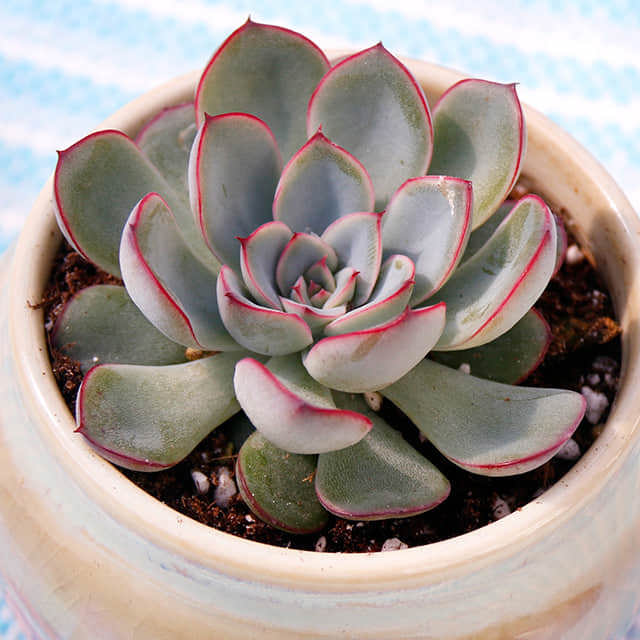
Echeveria pulidonis Sudden Leaf Drop
eco Sudden Leaf Drop

Echeveria pulidonis – Sudden Leaf Drop

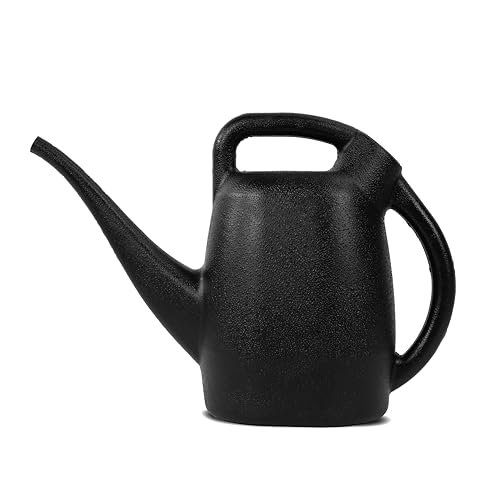
Why does your Echeveria pulidonis have sudden leaf drop? Diagnose the cause and fix it with our step-by-step guide.

pets Pet Friendly

search Possible Causes

error

Overwatering and Root Rot

Excessive moisture in the substrate causes fungal pathogens like Pythium to attack the roots of Echeveria pulidonis, leading to a loss of structural integrity and sudden leaf shedding. As the roots decay, they can no longer transport water to the leaves, causing them to detach easily.

Very Common
lightbulb
How to confirm: Gently tug on the base of a fallen leaf; if it feels mushy or smells of decay, root rot is likely.
build How to fix it
shopping_cart Recommended Products
1 Immediately remove the plant from the wet soil and trim away any mushy, blackened, or decayed roots using sterilized tools.
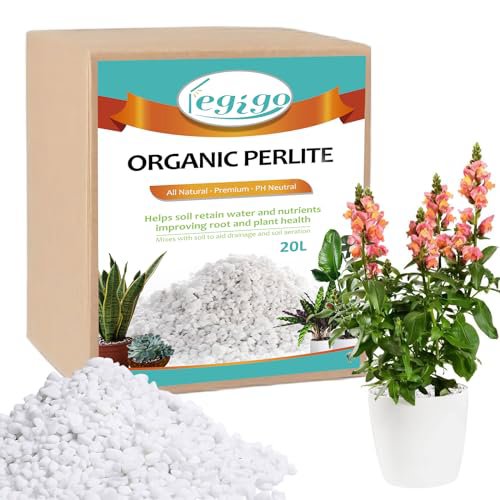
2 Repot the Echeveria in a well-draining, gritty substrate to ensure oxygen reaches the roots and prevent future moisture buildup.
3 Use a moisture meter to monitor the substrate, ensuring you only water when the soil is completely dry to avoid repeat overwatering.
error

Temperature Shock or Cold Stress

Echeveria pulidonis is a succulent native to warmer climates and is highly sensitive to temperatures below 50°F (10°C). Rapid drops in temperature can trigger a stress response where the plant sheds leaves to conserve energy.

Very Common
lightbulb
How to confirm: Check if there was a recent cold snap or if the plant is near a drafty window/AC vent.
build How to fix it
shopping_cart Recommended Products
1 Immediately move your Echeveria to a warmer, stable environment, ensuring temperatures remain consistently above 50°F (10°C).
2 Avoid placing the plant near cold drafts, windows, or air conditioning vents that could trigger further temperature fluctuations.
3 Monitor soil moisture closely with a meter to ensure the plant is not also suffering from root rot due to cold, damp conditions.
warning

Extreme Dehydration

While succulents are drought-tolerant, severe and prolonged lack of water will cause the plant to prioritize moisture for its core, leading to the abscission of older, lower leaves.

Common
lightbulb
How to confirm: Check if the remaining leaves feel extremely thin, wrinkled, or shriveled compared to their usual fleshy texture.
build How to fix it
shopping_cart Recommended Products
1 Immediately check the soil moisture level with a probe to confirm the depth of dehydration.
2 Give the plant a thorough deep watering, ensuring the water reaches the root zone, and allow the soil to drain completely.
3 To prevent future extreme dehydration, monitor the soil regularly and use a moisture meter to ensure the plant is watered before the soil becomes bone dry.
warning

Pest Infestation (Mealybugs)

Sap-sucking insects like mealybugs can weaken the Echeveria pulidonis by draining nutrients and injecting toxins, which can cause leaves to lose their attachment to the stem.

Common
lightbulb
How to confirm: Inspect the leaf axils and the base of the plant for tiny white, cottony clusters.
build How to fix it
shopping_cart Recommended Products
1 Inspect the crevices of the plant, especially where leaves meet the stem, for white, cottony clusters of mealybugs.
2 Apply an organic insecticide spray to eliminate existing pests and prevent further nutrient drainage.
3 Isolate the affected Echeveria from other plants to prevent the infestation from spreading through your collection.

Other Echeveria pulidonis problems

Your plant might also be experiencing one of these issues:

local_hospital All symptoms eco All plants with sudden leaf drop
favorite