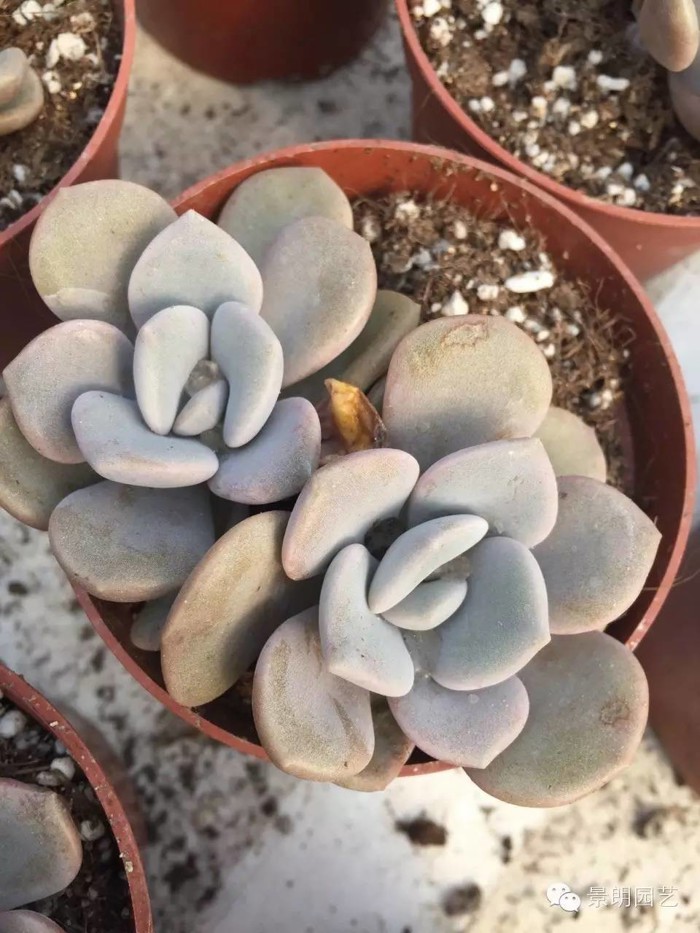
Why does your Echeveria Roma have fine webbing? Diagnose the cause and fix it with our step-by-step guide.
These microscopic arachnids thrive in the warm, dry conditions often preferred by Echeveria. They pierce the succulent's cells to suck out sap, leaving behind characteristic fine silken webs and stippled, pale spots on the thick leaves.
A specific variant of spider mites that is highly aggressive on Echeveria species. As the population grows, the webbing becomes more dense and can eventually encase entire rosettes, leading to leaf drop.
While not a direct cause of webbing, extremely high humidity can cause certain fungal hyphae or opportunistic molds to create fine, thread-like structures that mimic spider webs on the leaf surface.
Your plant might also be experiencing one of these issues:

 English
 Italiano

