Echeveria Snow Bunny Sudden Leaf Drop
eco Sudden Leaf Drop

Echeveria Snow Bunny – Sudden Leaf Drop

Why does your Echeveria Snow Bunny have sudden leaf drop? Diagnose the cause and fix it with our step-by-step guide.

pets Pet Friendly

search Possible Causes

error

Overwatering and Root Rot

Excessive moisture in the substrate causes the roots of the Echeveria to suffocate and decay, leading to an inability to support foliage. As the root system fails, the plant sheds leaves rapidly as a stress response.

Very Common
lightbulb
How to confirm: Gently lift the plant from its pot to check if the roots are dark, mushy, or have a foul odor.
build How to fix it
shopping_cart Recommended Products
1 Immediately remove the plant from its current container and trim away any mushy, black, or foul-smelling decayed roots using sterilized tools.
2 Repot the Echeveria in a well-draining, gritty substrate specifically designed for succulents to ensure oxygen reaches the roots.
3 Use a moisture meter to monitor the substrate, ensuring you only water when the soil is completely dry to prevent future rot.
error

Temperature Shock

Echeveria Snow Bunny is sensitive to sudden drops in temperature or frost. Rapidly moving the plant to a cold environment or exposing it to drafts can trigger an immediate physiological response resulting in leaf abscission.

Very Common
lightbulb
How to confirm: Check if there has been a recent change in location or a significant drop in nighttime temperatures near the plant's window.
build How to fix it
shopping_cart Recommended Products
1 Immediately move your Echeveria to a stable, draft-free environment with consistent temperatures to prevent further physiological stress.
2 Monitor the soil moisture closely using a moisture meter to ensure the plant is not also suffering from overwatering during this period of stress.
3 Avoid applying any fertilizers until the plant has stabilized and new growth appears, as feeding a stressed plant can cause further damage.
warning

Pest Infestation (Mealybugs)

Small, white, cottony insects known as mealybugs feed on the sap of the Echeveria, weakening the plant's structural integrity. Severe infestations can cause the plant to drop leaves as it loses vital nutrients.

Common
lightbulb
How to confirm: Inspect the leaf axils and the base of the rosette for tiny white, waxy clusters.
build How to fix it
shopping_cart Recommended Products
1 Isolate the Echeveria immediately to prevent the mealybugs from spreading to other houseplants.
2 Treat the infestation by spraying the plant with an organic insecticide to eliminate the white, cottony insects.
3 Gently wipe away visible pests with a cotton swab dipped in alcohol and monitor the plant closely for new growth.
warning

Nutrient Deficiency or Soil Depletion

If the growing medium has been depleted of essential micronutrients over a long period, the plant may lack the energy to maintain its heavy rosette. This metabolic stress often manifests as losing older, bottom leaves first.

Common
lightbulb
How to confirm: Examine if the fallen leaves appear pale or yellowed before dropping and how long it has been since the last repotting.
build How to fix it
shopping_cart Recommended Products
1 Check the soil moisture levels with a meter to ensure the leaf drop isn't actually caused by overwatering or root rot.
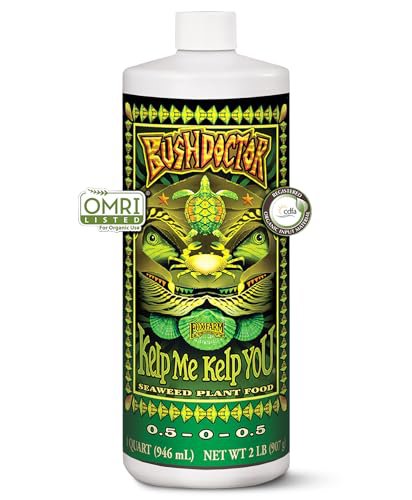
2 Apply a diluted liquid seaweed fertilizer to provide essential micronutrients and boost metabolic recovery.
3 Refresh the growing medium with a well-draining succulent mix, incorporating perlite to improve aeration and prevent future depletion.

Other Echeveria Snow Bunny problems

Your plant might also be experiencing one of these issues:

local_hospital All symptoms eco All plants with sudden leaf drop
favorite