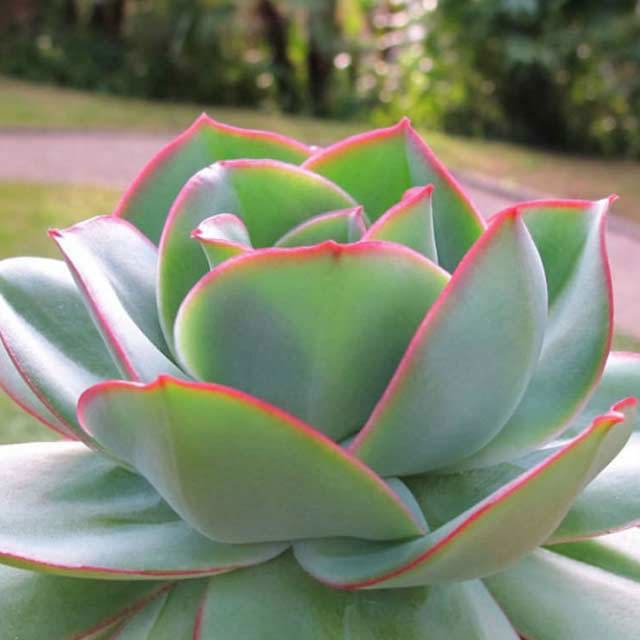
Echeveria subrigida Fine Webbing
eco Fine Webbing

Echeveria subrigida – Fine Webbing

Why does your Echeveria subrigida have fine webbing? Diagnose the cause and fix it with our step-by-step guide.

pets Pet Friendly

search Possible Causes

error

Two-Spotted Spider Mite Infestation

Spider mites thrive in the warm, dry conditions preferred by Echeveria. The fine webbing is a defensive silk structure used to create colonies and protect eggs on the underside of the fleshy leaves.

Very Common
lightbulb
How to confirm: Hold a white piece of paper under a leaf and tap the leaf sharply to see if tiny crawling specks fall onto the paper.
build How to fix it
shopping_cart Recommended Products
1 Immediately spray the plant, especially the undersides of the leaves, with an organic miticide to kill existing mites and eggs.
2 Increase humidity around the Echeveria and avoid dry, stagnant air, as spider mites thrive in arid environments.
3 Check the soil moisture levels regularly to ensure the plant is not experiencing drought stress, which can weaken its defenses.
error

Tetranychus urticae (European Red Spider Mite) Colonization

In succulents like Echeveria subrigida, these mites drain chlorophyll from the leaf cells, often causing a stippled, pale appearance underneath the webbing.

Very Common
lightbulb
How to confirm: Inspect the underside of the leaves for tiny orange or red dots which indicate a more advanced mite population.
build How to fix it
shopping_cart Recommended Products
1 Isolate the plant immediately to prevent the spider mites from spreading to other succulents and spray the foliage thoroughly with an organic miticide.
2 Gently wipe the undersides of the leaves with a damp cloth to physically remove webbing and mite clusters.
3 Increase airflow around the plant and avoid overwatering, as high humidity and stagnant air can encourage mite populations.
warning

High Humidity with Low Air Circulation

While less common for producing actual silk, extremely high humidity can cause fungal hyphae to form thin, hair-like structures that may mimic webbing in dense succulent clusters.

Common
lightbulb
How to confirm: Check if the base of the rosette feels unusually damp or if there is a musty odor near the soil.
build How to fix it
shopping_cart Recommended Products
1 Inspect the plant closely for tiny moving dots or eggs to confirm if the 'webbing' is actually Spider Mites, which thrive in low-circulation environments.
2 Increase airflow around the Echeveria by using a small fan or moving it to a location with better ventilation to prevent fungal hyphae buildup.
3 Reduce humidity levels by avoiding misting and ensuring the plant is not crowded by other high-moisture plants.

Other Echeveria subrigida problems

Your plant might also be experiencing one of these issues:

local_hospital All symptoms eco All plants with fine webbing
favorite