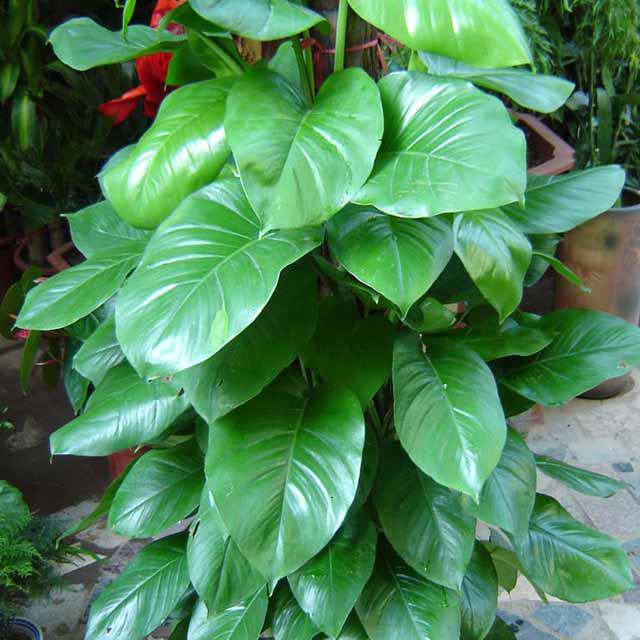
Epipremnum aureum Giant Yellow Leaves
eco Yellow Leaves

Epipremnum aureum Giant – Yellow Leaves

Why does your Epipremnum aureum Giant have yellow leaves? Diagnose the cause and fix it with our step-by-step guide.

search Possible Causes

error

Overwatering and Root Rot

Excessive moisture in the substrate prevents oxygen from reaching the roots, leading to fungal decay. This is the most common cause of chlorosis (yellowing) in Giant Pothos as the compromised root system fails to transport water and nutrients.

Very Common
lightbulb
How to confirm: Stick your finger two inches into the soil; if it feels soggy or smells musty, you are likely overwatering.
build How to fix it
shopping_cart Recommended Products
1 Immediately remove the plant from its current pot and inspect the roots for mushy, dark, or foul-smelling decay; trim away any rotted sections using sterilized shears.
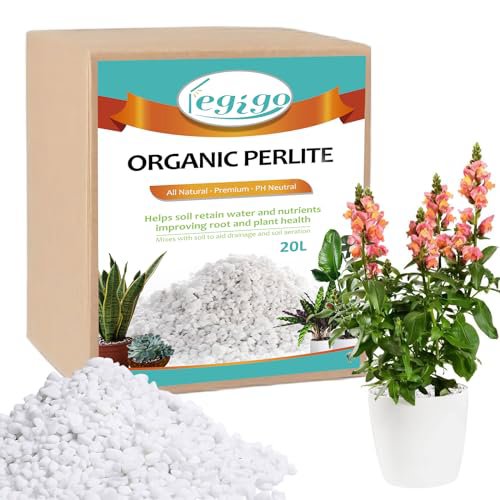
2 Repot the plant in a fresh, well-draining medium and ensure the new container has adequate drainage to prevent future water pooling.
3 Use a moisture meter to monitor the substrate, ensuring you only water when the top inch of soil is dry to avoid repeating the overwatering cycle.
warning

Nutrient Deficiency (Nitrogen)

As a fast-growing cultivar, Giant Pothos requires consistent nitrogen for chlorophyll production. A lack of available nitrogen causes older, lower leaves to turn yellow first as the plant redistributes nutrients to new growth.

Common
lightbulb
How to confirm: Observe if the yellowing starts on the oldest leaves at the base of the vine while new growth remains green.
build How to fix it
shopping_cart Recommended Products
1 Apply a nitrogen-rich liquid fertilizer to replenish essential nutrients and support chlorophyll production.
2 Check the soil moisture levels with a meter to ensure the nitrogen is being effectively absorbed and not being washed away by overwatering.
3 Prune away the most severely yellowed lower leaves to allow the plant to focus its energy on new, healthy growth.
warning

Improper Lighting

While adaptable, a lack of bright indirect light prevents efficient photosynthesis, causing the plant to shed older leaves. Conversely, extreme direct sun can scorch leaves, turning them yellow or pale.

Common
lightbulb
How to confirm: Check if the plant has been moved to a darker corner or is receiving intense afternoon sunlight through a window.
build How to fix it
shopping_cart Recommended Products
1 Relocate your Pothos to a spot that receives bright, indirect sunlight, ensuring it is not in the path of harsh, direct afternoon rays which can scorch foliage.
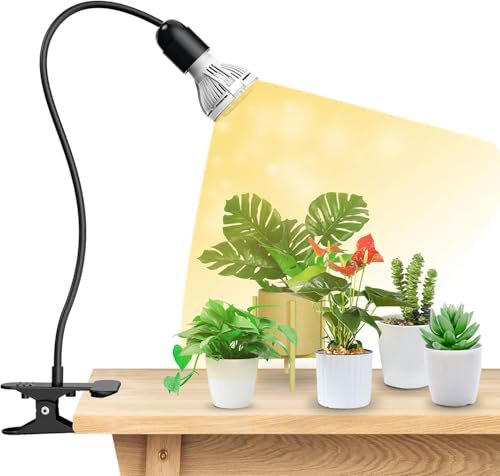
2 If your space lacks natural light, supplement with a full-spectrum grow light to support photosynthesis and prevent further leaf loss.
3 Monitor the soil moisture levels closely during this light adjustment, as plants in lower light require less frequent watering to prevent root rot.
warning

Temperature Stress (Cold Drafts)

Giant Pothos is a tropical species that dislikes sudden temperature drops. Exposure to cold drafts from windows or air conditioning units can cause physiological stress, resulting in leaf yellowing.

Common
lightbulb
How to confirm: Check if the plant is positioned directly in the path of an air vent or near a drafty window during winter.
build How to fix it
shopping_cart Recommended Products
1 Relocate your Pothos away from cold drafts, air conditioning vents, or drafty windows to a stable, warm environment.
2 Monitor the soil moisture levels closely, as temperature fluctuations can disrupt the plant's water uptake and lead to overwatering.
3 If the plant shows signs of recovery but lacks vigor, apply a diluted liquid seaweed fertilizer to help boost nutrient uptake and resilience.

Other Epipremnum aureum Giant problems

Your plant might also be experiencing one of these issues:

local_hospital All symptoms eco All plants with yellow leaves
favorite