Epipremnum aureum Golden Pothos Leggy Stems
eco Leggy Stems

Epipremnum aureum Golden Pothos – Leggy Stems

Why does your Epipremnum aureum Golden Pothos have leggy stems? Diagnose the cause and fix it with our step-by-step guide.

search Possible Causes

error

Insufficient Light Exposure

Pothos will undergo etiolation, a process where stems stretch excessively toward the nearest light source to compensate for low lumens. This results in increased internodal distance (space between leaves) and smaller, less variegated leaves.

Very Common
lightbulb
How to confirm: Observe if the new growth is significantly paler and more spaced out than the older foliage near the base.
build How to fix it
shopping_cart Recommended Products
1 Move your Pothos to a location with brighter, indirect light to stop the stems from stretching and encourage fuller, more variegated foliage.
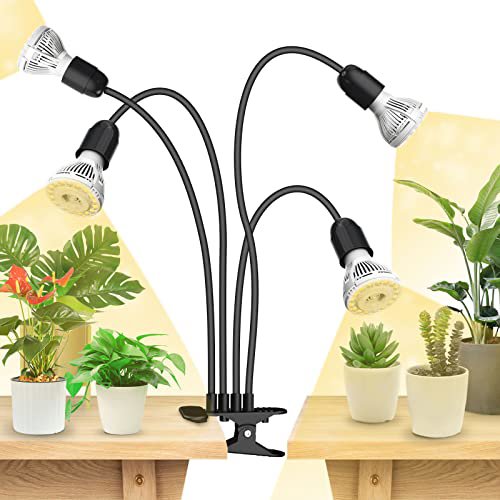
2 If natural light is insufficient, supplement with a full-spectrum LED grow light to provide the necessary lumens for healthy growth.
3 Prune the leggy, stretched stems using sharp shears to stimulate new, bushier growth from the base of the plant.
warning

Nutrient Deficiency (Nitrogen)

Lack of available nitrogen prevents the plant from developing dense, lush foliage, causing it to prioritize stem elongation over leaf production. This often manifests as thin, weak stems that lack structural integrity.

Common
lightbulb
How to confirm: Check if the older leaves are turning pale yellow in addition to the long, spindly growth patterns.
build How to fix it
shopping_cart Recommended Products
1 Apply a nitrogen-rich liquid fertilizer to stimulate new foliage growth and strengthen stems.
2 Prune the long, leggy stems to encourage bushier growth and prevent the plant from becoming too sparse.
3 Ensure the plant is receiving adequate bright, indirect light to prevent further stem elongation.
warning

Overwatering and Root Compromise

Excessive moisture can lead to root hypoxia or rot, which reduces the plant's ability to transport nutrients effectively. When roots fail, the plant cannot support heavy foliage, leading to weakened, leggy stems that may eventually wilt.

Common
lightbulb
How to confirm: Feel the soil depth an inch below the surface; if it is soggy and smells slightly sour, root rot is likely.
build How to fix it
shopping_cart Recommended Products
1 Inspect the roots for signs of rot (mushy, dark, or foul-smelling) and trim away any damaged sections using sterilized shears.
2 Repot the plant in a fresh, well-draining medium like a mix containing perlite to improve aeration and prevent future waterlogging.
3 Monitor the soil moisture levels closely with a meter to ensure you only water when the top inch of soil is dry, preventing further root hypoxia.
warning

Improper Pruning/Growth Habit

If the plant hasn't been pruned in a long time, the weight of the trailing vines can cause them to stretch and thin out as they seek support. Natural growth patterns in Pothos often lead to leggy ends if there is no climbing medium like moss poles.

Common
lightbulb
How to confirm: Look for a lack of nodes or 'fullness' at the base of the plant compared to the tips of the vines.
build How to fix it
shopping_cart Recommended Products
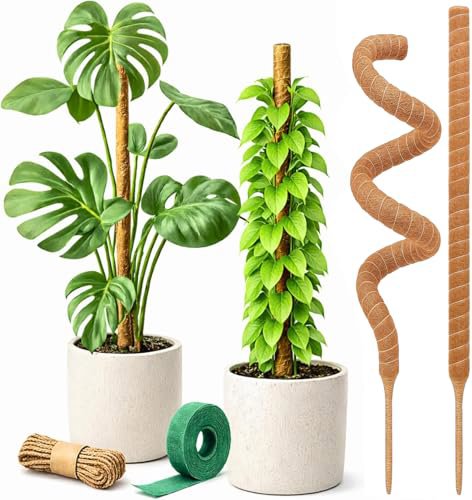
1 Provide a climbing structure to encourage aerial roots to attach and thicken the vines.
2 Prune the leggy ends of the vines to stimulate new, fuller growth from the base of the stems.
3 Ensure the plant receives adequate bright, indirect light to prevent further stretching.

Other Epipremnum aureum Golden Pothos problems

Your plant might also be experiencing one of these issues:

local_hospital All symptoms eco All plants with leggy stems
favorite