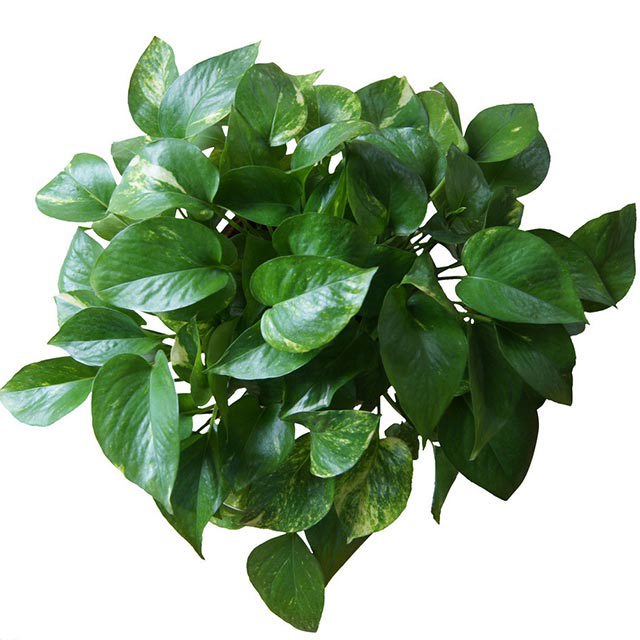
Epipremnum aureum Leggy Stems
eco Leggy Stems

Epipremnum aureum – Leggy Stems

Why does your Epipremnum aureum have leggy stems? Diagnose the cause and fix it with our step-by-step guide.

search Possible Causes

error

Insufficient Light Exposure

Pothos is phototropic, meaning it will stretch its internodes (the space between leaves) toward a light source to maximize photosynthesis. Low light levels trigger 'etiolation,' resulting in long, thin stems with sparse foliage.

Very Common
lightbulb
How to confirm: Observe if the plant is leaning toward a window or if new growth is significantly paler and thinner than older leaves.
build How to fix it
shopping_cart Recommended Products
1 Move your Pothos to a location with brighter, indirect sunlight to stop the stretching process and encourage fuller foliage.
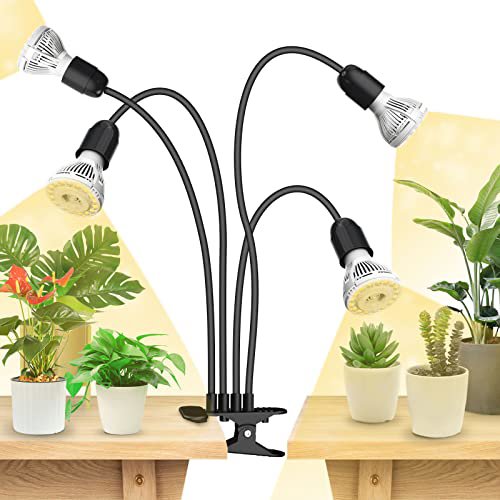
2 If natural light is insufficient, supplement with a full-spectrum LED grow light to provide the necessary energy for photosynthesis.
3 Prune the long, leggy stems back to a node to stimulate new, bushier growth from the base.
warning

Nutrient Deficiency

A lack of essential macronutrients, particularly nitrogen, can prevent the development of lush foliage. When nutrients are depleted in the potting medium, the plant focuses energy on stem elongation rather than leaf production.

Common
lightbulb
How to confirm: Check if the existing leaves are turning pale yellow or if growth has completely stalled despite adequate light.
build How to fix it
shopping_cart Recommended Products
1 Apply a nitrogen-rich liquid fertilizer to stimulate lush foliage growth and replenish depleted nutrients in the potting medium.
2 Prune the long, leggy stems to encourage new, bushier growth from the base of the plant.
3 Ensure the plant is receiving adequate bright, indirect light to prevent further stem elongation.
warning

Improper Pruning and Growth Habit

If a Pothos is left unpruned for extended periods, the vine naturally grows longer and more spindly as it reaches for support. Without regular pinching of growing tips, the plant lacks the lateral branching required for a bushy appearance.

Common
lightbulb
How to confirm: Examine if there are any nodes (bumps where leaves emerge) on the long sections; if they are present but bare, it is likely a growth habit issue rather than disease.
build How to fix it
shopping_cart Recommended Products
1 Prune the leggy stems by cutting back the long, spindly vines just above a node to encourage new lateral growth and a bushier habit.
2 Propagate the cuttings in water or fresh medium to create new plants and increase your collection.
3 Provide a vertical support structure like a moss pole to allow the plant to climb, which mimics its natural growth habit and encourages thicker stems.
warning

Overwatering and Root Stress

Chronic overwatering can lead to root decay, which limits the plant's ability to transport nutrients to new shoots. This physiological stress can result in weak, spindly growth as the plant struggles to maintain structural integrity.

Common
lightbulb
How to confirm: Feel the soil depth; if it remains saturated for more than a week, check the roots for any dark, slimy, or foul-smelling decay.
build How to fix it
shopping_cart Recommended Products
1 Check the soil moisture levels deeply with a probe to ensure the root zone is not staying saturated for too long.
2 Repot the plant in a well-draining medium, incorporating perlite to improve aeration and prevent future root rot.
3 Prune the long, spindly stems to encourage bushier growth and reduce the demand on the stressed root system.

Other Epipremnum aureum problems

Your plant might also be experiencing one of these issues:

local_hospital All symptoms eco All plants with leggy stems
favorite