Epipremnum pinnatum Yellow Leaves
eco Yellow Leaves

Epipremnum pinnatum – Yellow Leaves

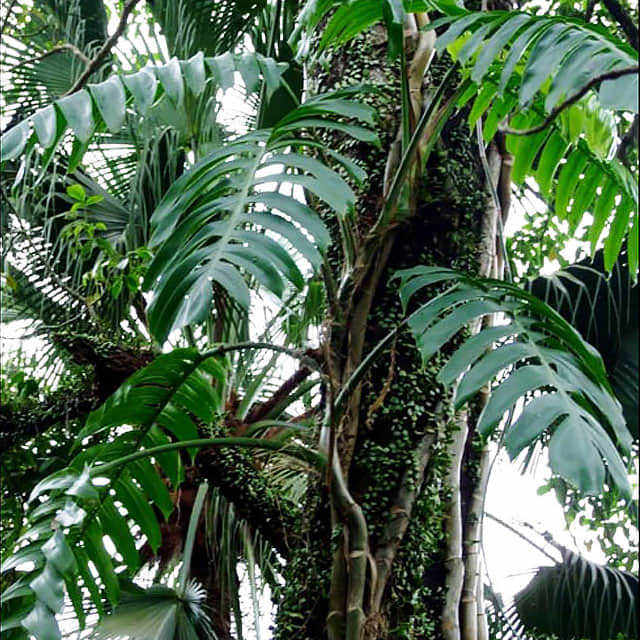
Why does your Epipremnum pinnatum have yellow leaves? Diagnose the cause and fix it with our step-by-step guide.

search Possible Causes

error

Overwatering and Root Rot

Epipremnum pinnatum is highly susceptible to fungal pathogens like Phytophthora if the growing medium remains saturated. Excess moisture prevents oxygen from reaching the roots, causing them to decay and leading to systemic yellowing of the leaves.

Very Common
lightbulb
How to confirm: Stick your finger two inches into the soil; if it feels muddy or smells sour, the roots are likely rotting.
build How to fix it
shopping_cart Recommended Products
1 Immediately remove the plant from its current pot and trim away any mushy, black, or foul-smelling roots using sterilized shears.
2 Repot the plant in a fresh, well-draining medium and ensure the new container has adequate drainage to prevent water pooling.
3 Monitor the soil moisture levels closely with a meter to ensure the medium is allowed to dry out significantly before the next watering.
error

Nutrient Deficiency (Nitrogen)

A lack of available nitrogen prevents the plant from producing sufficient chlorophyll. In Pothos varieties, this typically manifests as a loss of variegation and a uniform yellowing starting with older, bottom leaves.

Very Common
lightbulb
How to confirm: Observe if the yellowing is progressing specifically from the oldest leaves toward the new growth.
build How to fix it
shopping_cart Recommended Products
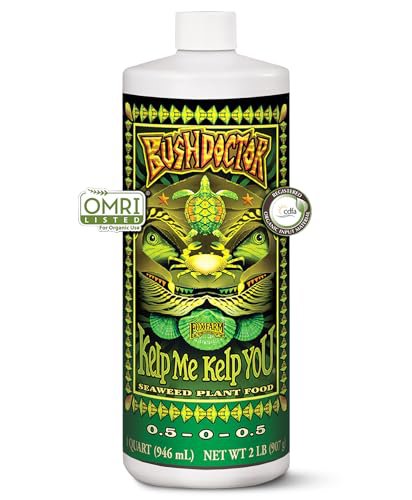
1 Apply a nitrogen-rich liquid fertilizer to boost chlorophyll production and restore variegation.
2 Monitor soil moisture levels with a moisture meter to ensure nitrogen uptake is not being hindered by overwatering.
3 Prune away the most severely yellowed older leaves to allow the plant to redirect nutrients to new growth.
warning

Insufficient Light

While adaptable, low light levels inhibit photosynthesis, causing the plant to shed older foliage to conserve energy. This can result in chlorosis (yellowing) as the plant reallocates nutrients to new growth.

Common
lightbulb
How to confirm: Check if the yellowing leaves are located in parts of the plant that receive the least amount of ambient light.
build How to fix it
shopping_cart Recommended Products
1 Move your plant to a location with brighter, indirect sunlight to boost photosynthesis and prevent further leaf loss.
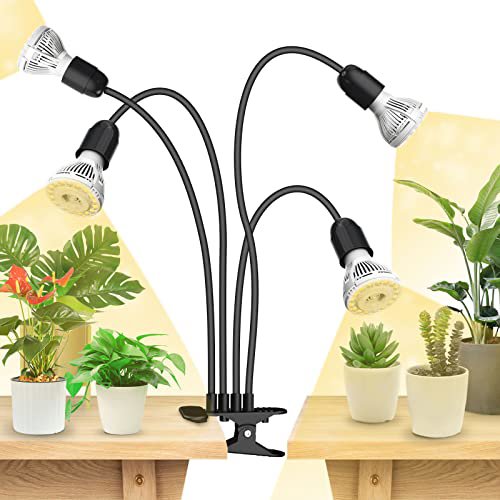
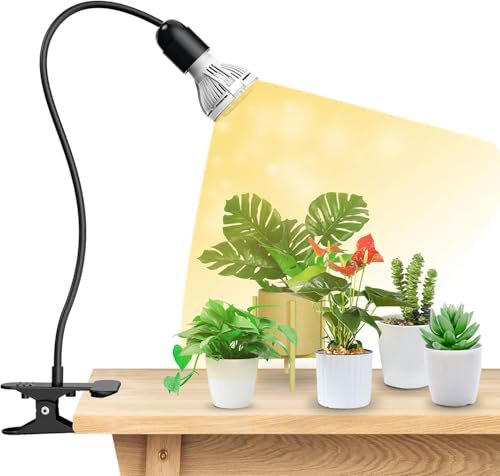
2 If natural light is unavailable, supplement with a full-spectrum LED grow light to provide the necessary energy for new growth.
3 Monitor the soil moisture levels closely, as low light environments slow down evaporation and can lead to secondary overwatering issues.
warning

Temperature Stress or Cold Drafts

Epipremnum species are tropical and sensitive to sudden temperature drops. Exposure to cold drafts from windows or AC vents can cause cellular damage, leading to yellowing and leaf drop.

Common
lightbulb
How to confirm: Check if the plant is positioned near a window, vent, or door that experiences significant temperature fluctuations.
build How to fix it
shopping_cart Recommended Products
1 Relocate your plant away from cold drafts, air conditioning vents, or drafty windows to a stable, warm environment.
2 Monitor the soil moisture levels closely, as temperature fluctuations can disrupt the plant's water uptake and lead to overwatering.
3 If the plant shows signs of recovery, apply a light feeding of liquid seaweed to help boost resilience against environmental stress.

Other Epipremnum pinnatum problems

Your plant might also be experiencing one of these issues:

local_hospital All symptoms eco All plants with yellow leaves
favorite