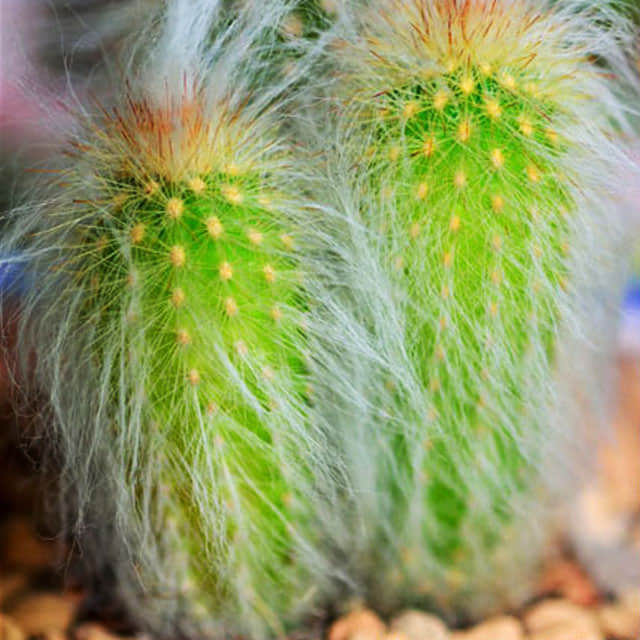
Espostoa lanata Fine Webbing
eco Fine Webbing

Espostoa lanata – Fine Webbing

Why does your Espostoa lanata have fine webbing? Diagnose the cause and fix it with our step-by-step guide.

search Possible Causes

error

Spider Mites (Tetranychidae)

The fine webbing is a classic sign of spider mite infestation, which thrive in the dry, warm conditions often provided to Espostoa lanata. These pests pierce the cactus cells to suck out fluids, causing the characteristic white hairs to appear clumped or discolored.

Very Common
lightbulb
How to confirm: Check the base of the cactus ribs for tiny moving dots or fine silk webs stretched between the spines.
build How to fix it
shopping_cart Recommended Products
1 Apply an organic insecticide spray to eliminate existing spider mites, larvae, and eggs on the cactus surface.
2 Increase local humidity and wipe down the cactus with a damp cloth to physically remove webbing and dislodged mites.
3 Monitor soil moisture levels to ensure the environment does not become too dry, which encourages mite reproduction.
error

Two-Spotted Spider Mites (Tetranychus urticae)

A specific subset of mites that are highly prevalent in greenhouse environments. In Espostoa, they often hide deep within the dense white 'wool' (trichomes), making them difficult to spot until webbing is visible.

Very Common
lightbulb
How to confirm: Gently tap a piece of white paper underneath the cactus to see if tiny specks fall onto it.
build How to fix it
shopping_cart Recommended Products
1 Isolate the cactus immediately to prevent the mites from spreading to other plants and spray the entire plant, especially deep within the white wool, with an organic miticide.
2 Use a soft brush or gentle water spray to physically remove as many mites and webbing as possible from the dense trichomes before applying treatment.
3 Increase local humidity and monitor soil moisture to ensure the environment is less favorable for spider mite reproduction.
warning

Thrips Infestation

While thrips are primarily known for scarring, heavy infestations can occasionally lead to secondary webbing or silken debris as they move through the cactus's woolly surface.

Common
lightbulb
How to confirm: Look for small, irregular silvery or pale streaks on the green skin beneath the white hair.
build How to fix it
shopping_cart Recommended Products
1 Apply an organic insecticide spray to the cactus to eliminate the thrips and any secondary pests hiding in the woolly surface.
2 Use a soft, dry brush to gently remove the visible webbing and debris from the cactus's woolly surface to prevent further infestation spread.
3 Set up yellow sticky traps near the plant to capture adult thrips and monitor for any new activity.

Other Espostoa lanata problems

Your plant might also be experiencing one of these issues:

local_hospital All symptoms eco All plants with fine webbing
favorite


