Euonymus europaeus Sudden Leaf Drop
eco Sudden Leaf Drop

Euonymus europaeus – Sudden Leaf Drop

Why does your Euonymus europaeus have sudden leaf drop? Diagnose the cause and fix it with our step-by-step guide.

search Possible Causes

error

Drought Stress

While Euonymus europaeus is relatively hardy, sudden leaf drop is a primary defense mechanism during prolonged dry spells to reduce transpiration. If the soil moisture has depleted significantly, the plant will shed leaves to conserve core resources.

Very Common
lightbulb
How to confirm: Check the soil moisture 2 inches below the surface; if it is bone dry, the plant is likely experiencing water deficit.
build How to fix it
shopping_cart Recommended Products
1 Immediately check the soil moisture level at the root zone to confirm the extent of the drought.
2 Apply a deep, thorough watering to the base of the plant to rehydrate the root system and replenish soil moisture.
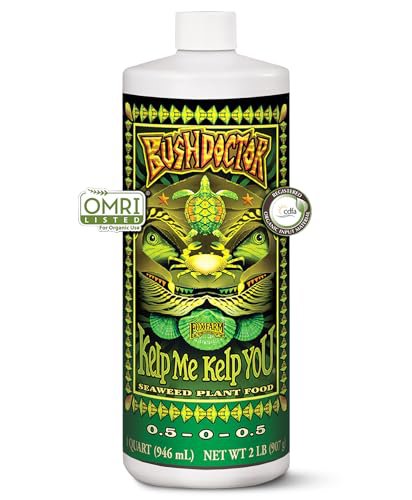
3 Apply a liquid seaweed fertilizer to help the plant recover from environmental stress and boost nutrient uptake.
error

Environmental Temperature Shock

Rapid fluctuations in temperature, particularly late spring frosts or an unseasonably warm autumn, can trigger an abrupt abscission of leaves. This species is sensitive to sudden shifts that disrupt its metabolic stability.

Very Common
lightbulb
How to confirm: Review recent local weather records for any sudden frost events or heatwaves coinciding with the leaf drop.
build How to fix it
shopping_cart Recommended Products
1 Move the plant to a sheltered location or indoors to protect it from further temperature fluctuations and extreme frost or heat.
2 Apply a liquid seaweed fertilizer to help the plant recover from metabolic stress and boost root resilience.
3 Mulch the base of the plant with organic matter to insulate the root zone against future temperature shifts.
warning

Phytophthora Root Rot

Oomycete pathogens like Phytophthora can colonize the root system in poorly drained soils, causing vascular disruption. This prevents water from reaching the canopy, resulting in sudden wilting and leaf drop.

Common
lightbulb
How to confirm: Examine the base of the stem for dark, water-soaked lesions or check if the soil stays saturated for long periods.
build How to fix it
shopping_cart Recommended Products
1 Immediately inspect the root system for mushy, dark, or foul-smelling roots and prune away any decayed sections using sterilized tools.
2 Repot the plant in a well-draining medium and incorporate horticultural perlite to improve aeration and prevent water pooling around the roots.
3 Ensure the plant is in a container with excellent drainage and use a moisture meter to prevent future overwatering that promotes pathogen growth.
warning

Fungal Leaf Spot (e.g., Spilocaea)

Severe fungal infections can cause premature defoliation as the plant attempts to shed infected tissue to prevent further spread. This is often accompanied by visible necrotic spots on the remaining leaves.

Common
lightbulb
How to confirm: Inspect the remaining leaves for small, dark brown or black circular lesions before they fall.
build How to fix it
shopping_cart Recommended Products
1 Remove and dispose of all fallen and heavily infected leaves to prevent fungal spores from re-infecting the plant.
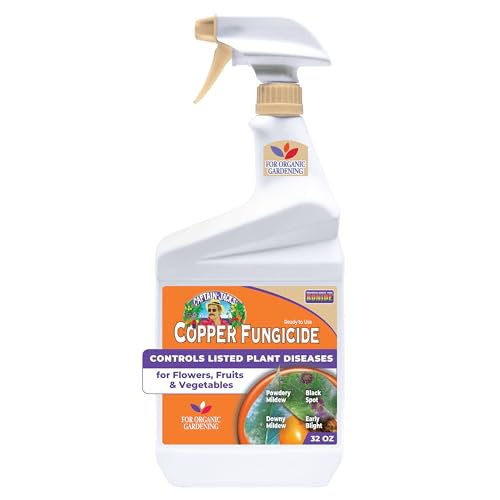
2 Apply an organic fungicide to the remaining foliage to control the spread of the Spilocaea fungus.
3 Ensure proper air circulation around the plant and avoid overhead watering to keep the foliage dry.
local_hospital All symptoms eco All plants with sudden leaf drop
favorite