Euonymus fortunei Coloratus Sudden Leaf Drop
eco Sudden Leaf Drop

Euonymus fortunei Coloratus – Sudden Leaf Drop

Why does your Euonymus fortunei Coloratus have sudden leaf drop? Diagnose the cause and fix it with our step-by-step guide.

search Possible Causes

error

Environmental Stress (Temperature Fluctuations or Frost)

Euonymus fortunei is relatively hardy, but sudden drops in temperature or late spring frosts can cause the plant to shed leaves as a defense mechanism. This is particularly common if the plant was recently transplanted or exposed to unseasonable cold snaps.

Very Common
lightbulb
How to confirm: Check for recent frost events or sudden temperature swings in your local area over the last few days.
build How to fix it
shopping_cart Recommended Products
1 Protect the plant from further temperature swings by covering it with a frost blanket or burlap during cold nights.
2 Monitor soil moisture levels closely to ensure the roots are not experiencing both frost and drought stress.
3 Apply a liquid seaweed fertilizer to help the plant recover from environmental shock and boost nutrient uptake.
error

Water Stress (Drought or Overwatering)

Extreme fluctuations in soil moisture levels can trigger leaf abscission. If the soil dries out completely, the plant drops leaves to conserve water; conversely, waterlogged soil leads to root hypoxia and eventual leaf drop.

Very Common
lightbulb
How to confirm: Insert your finger two inches into the soil to check if it is bone dry or excessively saturated/muddy.
build How to fix it
shopping_cart Recommended Products
1 Check the soil moisture level at the root zone using a moisture meter to determine if the plant is suffering from drought or waterlogging.
2 If the soil is bone dry, provide a deep, thorough watering; if the soil is saturated, allow it to dry out completely before the next watering to prevent root rot.
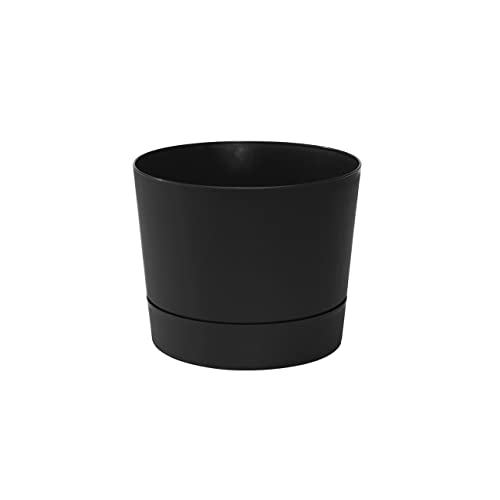
3 Ensure the plant is in a container with excellent drainage, such as a Root & Vessel cylinder pot, to prevent water from pooling around the roots.
warning

Root Rot (Phytophthora)

Excessive moisture in poorly draining soil can lead to fungal root rot, which prevents the plant from transporting water to the foliage. This often manifests as a sudden wilting and dropping of leaves despite the soil appearing wet.

Common
lightbulb
How to confirm: Gently lift the edge of the root ball or check the base of the stem for any dark, mushy, or foul-smelling tissue.
build How to fix it
shopping_cart Recommended Products
1 Immediately reduce watering frequency and ensure the plant is in a container with excellent drainage to stop the spread of Phytophthora.
2 Repot the plant in a highly aerated, well-draining medium by mixing existing soil with perlite or horticultural grit to prevent future waterlogging.
3 Inspect the root system for mushy, dark brown roots and prune away any decayed sections using sterilized tools to prevent further rot.
warning

Pest Infestation (Scale or Aphids)

Sap-sucking insects like scale or aphids can weaken the Euonymus significantly by draining nutrients. A heavy infestation can cause the plant to shed foliage as it struggles to maintain metabolic functions.

Common
lightbulb
How to confirm: Inspect the undersides of leaves and the stems for small, stationary bumps (scale) or sticky honeydew residue.
build How to fix it
shopping_cart Recommended Products
1 Inspect the undersides of leaves and stems for small, scale-like bumps or clusters of soft-bodied aphids to confirm the infestation.
2 Apply an organic insecticide spray to the plant to eliminate the sap-sucking insects and prevent further nutrient loss.
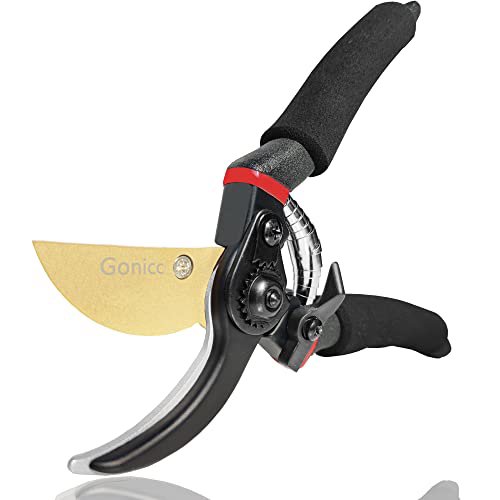
3 Prune away any heavily infested or dead branches using clean shears to reduce the pest population and promote new growth.
local_hospital All symptoms eco All plants with sudden leaf drop
favorite