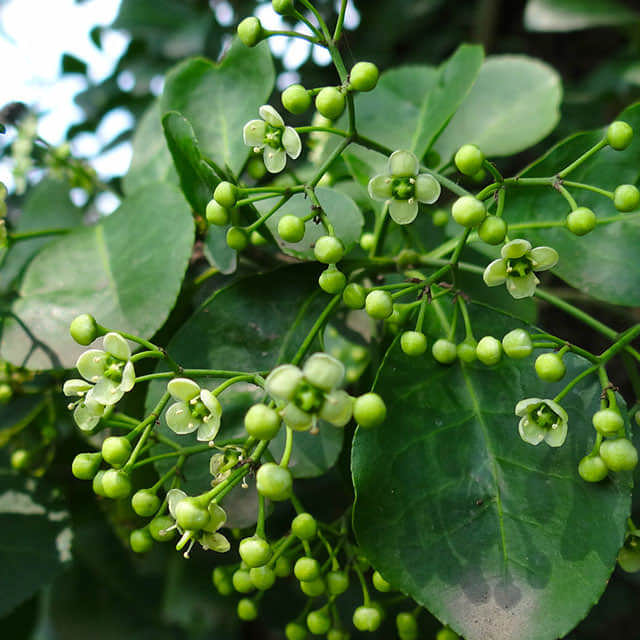
Euonymus fortunei Sudden Leaf Drop
eco Sudden Leaf Drop

Euonymus fortunei – Sudden Leaf Drop

Why does your Euonymus fortunei have sudden leaf drop? Diagnose the cause and fix it with our step-by-step guide.

search Possible Causes

error

Environmental Stress (Temperature Fluctuations/Frost)

Euonymus fortunei is generally hardy, but sudden drops in temperature or late spring frosts can trigger a stress response causing the plant to shed leaves to conserve energy. Rapid shifts from warm days to freezing nights are common triggers for this behavior.

Very Common
lightbulb
How to confirm: Check if there was a recent frost event or an unseasonable cold snap in your local area.
build How to fix it
shopping_cart Recommended Products
1 Move the plant to a sheltered location or bring it indoors to protect it from further temperature fluctuations and frost damage.
2 Apply a liquid seaweed fertilizer to help the plant recover from environmental stress and boost its natural resilience.
3 Monitor the soil moisture closely to ensure the plant is not being overwatered while in its stressed, dormant-like state.
error

Water Stress (Drought or Overwatering)

Both extreme dehydration and waterlogged soil can cause sudden leaf drop. In overwatered conditions, root hypoxia leads to rapid decay of the fine root system, making it unable to support foliage.

Very Common
lightbulb
How to confirm: Insert your finger two inches into the soil; if it is bone dry or extremely muddy/smelly, you have a water issue.
build How to fix it
shopping_cart Recommended Products
1 Check the soil moisture level at the root zone using a moisture meter to determine if the plant is suffering from drought or overwatering.
2 If the soil is bone dry, thoroughly soak the plant; if the soil is waterlogged, ensure the pot has proper drainage and consider repotting with a more aerated medium like Legio Perlite to prevent root rot.
3 To prevent future water stress, use a saucer to catch excess runoff and monitor the soil regularly.
warning

Phytophthora Root Rot

Oomycetes like Phytophthora attack the root system of Wintercreeper when soil drainage is poor. This disrupts the vascular system's ability to transport water to the leaves, resulting in sudden wilting and dropping.

Common
lightbulb
How to confirm: Examine the base of the stems near the soil line for any dark, water-soaked lesions or mushy bark.
build How to fix it
shopping_cart Recommended Products
1 Immediately inspect the root system for mushy, dark, or foul-smelling roots and prune away any decayed sections using sterilized tools.
2 Repot the plant into a container with superior drainage and use a highly aerated medium, such as a mix containing Legigo Organic Horticultural Perlite (ID: 732) or Leca Clay Pebbles (ID: 755), to prevent water stagnation.
3 Ensure the plant is not sitting in standing water by using a drainage saucer (ID: 188) and monitor soil moisture levels with an analog meter (ID: 469) to avoid overwatering.
warning

Insect Infestation (Scale or Aphids)

Heavy infestations of scale insects or aphids can drain the sap from Euonymus foliage, causing leaves to weaken and detach. These pests often congregate on the undersides of the leaves.

Common
lightbulb
How to confirm: Inspect the undersides of the remaining leaves for small, stationary bumps (scale) or tiny, moving insects.
build How to fix it
shopping_cart Recommended Products
1 Inspect the undersides of leaves and stems for small, scale-like bumps or soft-bodied aphids, then apply an organic insecticide spray to eliminate the infestation.
2 Prune away heavily infested or dead branches using clean, sharp shears to prevent the spread of pests to healthy foliage.
3 Monitor soil moisture levels to ensure the plant is not also experiencing transplant shock or drought stress, which can exacerbate leaf drop.
local_hospital All symptoms eco All plants with sudden leaf drop
favorite