Euphorbia milii Sudden Leaf Drop
eco Sudden Leaf Drop

Euphorbia milii – Sudden Leaf Drop

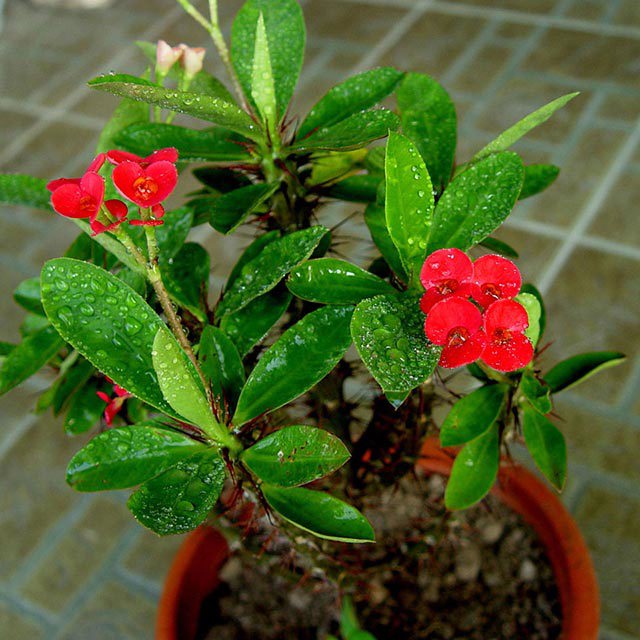
Why does your Euphorbia milii have sudden leaf drop? Diagnose the cause and fix it with our step-by-step guide.

search Possible Causes

error

Water Stress (Overwatering or Underwatering)

Euphorbia milii is a succulent that stores water in its stems; sudden leaf drop is a primary defense mechanism when the roots are either suffocating from lack of oxygen (overwatering) or too dry (underwatering). Overwatering specifically leads to root rot, which prevents the plant from transporting water to the leaves.

Very Common
lightbulb
How to confirm: Stick your finger two inches into the soil to check if it is waterlogged or bone-dry.
build How to fix it
shopping_cart Recommended Products
1 Check the soil moisture level immediately by inserting a probe into the substrate to determine if the roots are drowning or desiccated.
2 If the soil is soggy, repot the plant in a well-draining medium like a succulent mix amended with perlite to restore oxygen to the roots.
3 If the soil is bone dry, thoroughly soak the root ball and ensure the pot has adequate drainage to prevent future waterlogging.
error

Temperature Shock or Cold Stress

This species is tropical and highly sensitive to temperatures below 50°F (10°C). Sudden exposure to cold drafts or a drop in nighttime temperature causes the plant to shed foliage quickly to conserve energy.

Very Common
lightbulb
How to confirm: Check if the plant has been near a drafty window or if there has been a recent cold snap in your area.
build How to fix it
shopping_cart Recommended Products
1 Immediately move your Euphorbia milii to a warmer, draft-free location, ensuring temperatures remain consistently above 50°F (10°C).
2 Monitor the soil moisture closely to ensure the plant is not overwatered while in a stressed state, using a moisture meter to prevent root rot.
3 If the plant is in a particularly cold area, consider using a grow light to provide supplemental warmth and light energy during recovery.
warning

Light Fluctuations

Crown of Thorns requires high light intensity to maintain its foliage. A sudden move to a shaded area or a significant reduction in light levels can trigger the plant to drop leaves that it can no longer support through photosynthesis.

Common
lightbulb
How to confirm: Observe if the plant's location has changed recently or if it is receiving fewer hours of direct sunlight.
build How to fix it
shopping_cart Recommended Products
1 Relocate your Euphorbia milii to a location with much higher light intensity, such as a south-facing window, to stabilize photosynthesis.
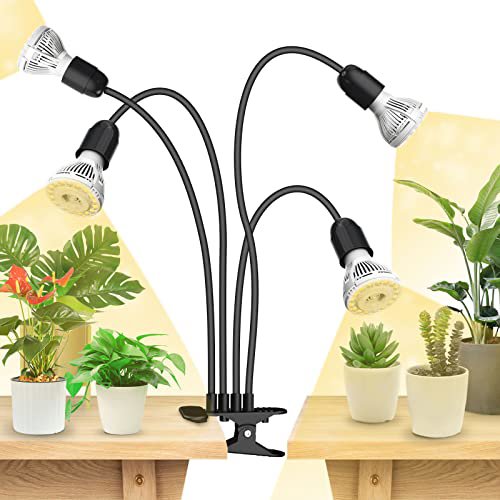
2 If natural light is insufficient, supplement with a full-spectrum grow light to provide consistent energy levels.
3 Monitor the soil moisture closely during this transition, as light changes can alter the plant's water uptake rate.
warning

Nutrient Deficiency

A lack of essential macronutrients, particularly nitrogen, can lead to chlorosis and subsequent leaf abscission. This often happens in long-term container plants where the potting medium has become depleted of minerals.

Common
lightbulb
How to confirm: Look for yellowing leaves (chlorosis) appearing before the drop, which indicates a metabolic struggle.
build How to fix it
shopping_cart Recommended Products
1 Apply a balanced liquid fertilizer to replenish depleted minerals in the potting medium.
2 Repot the plant in fresh, nutrient-rich potting soil to provide a new supply of essential macronutrients.
3 Monitor soil moisture levels using a moisture meter to ensure the plant is not experiencing secondary stress from overwatering.

Other Euphorbia milii problems

Your plant might also be experiencing one of these issues:

local_hospital All symptoms eco All plants with sudden leaf drop
favorite