Euphorbia tithymaloides Sudden Leaf Drop
eco Sudden Leaf Drop

Euphorbia tithymaloides – Sudden Leaf Drop

Why does your Euphorbia tithymaloides have sudden leaf drop? Diagnose the cause and fix it with our step-by-step guide.

search Possible Causes

error

Water Stress (Overwatering or Drought)

Euphorbia tithymaloides is highly sensitive to moisture fluctuations; saturated soil causes root hypoxia and leaf drop, while extreme drought triggers a survival mechanism to shed leaves. Sudden dropping of healthy-looking leaves often indicates the roots are struggling with inconsistent hydration.

Very Common
lightbulb
How to confirm: Check if the soil is waterlogged or bone-dry several inches below the surface.
build How to fix it
shopping_cart Recommended Products
1 Check the soil moisture level immediately using a moisture meter to determine if the soil is currently waterlogged or bone dry.
2 If the soil is saturated, repot the plant in a well-draining medium amended with perlite to prevent root rot and improve aeration.
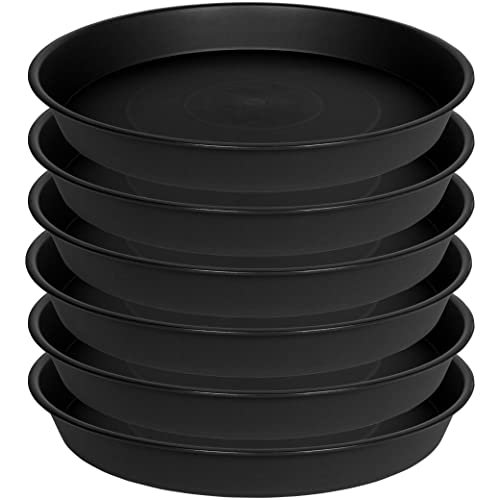
3 Ensure the plant is in a pot with adequate drainage and use a saucer to catch excess water, making sure the plant is never sitting in stagnant water.
error

Temperature Shock

This species is not frost-hardy and thrives in stable, warm environments. A sudden drop in temperature or exposure to cold drafts can cause the plant to rapidly shed its succulent leaves as a stress response.

Very Common
lightbulb
How to confirm: Check if the plant was recently moved near a window, door, or air conditioning vent.
build How to fix it
shopping_cart Recommended Products
1 Immediately move the plant to a warm, draft-free location away from windows or air conditioning vents to stabilize its environment.
2 Monitor the soil moisture closely to ensure the plant is not overwatered while in a stressed state, as temperature drops can slow evaporation.
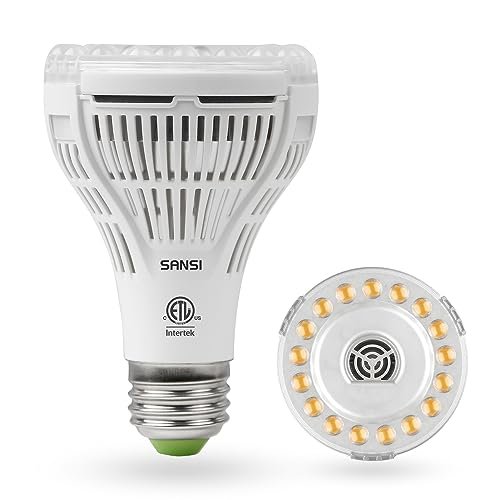
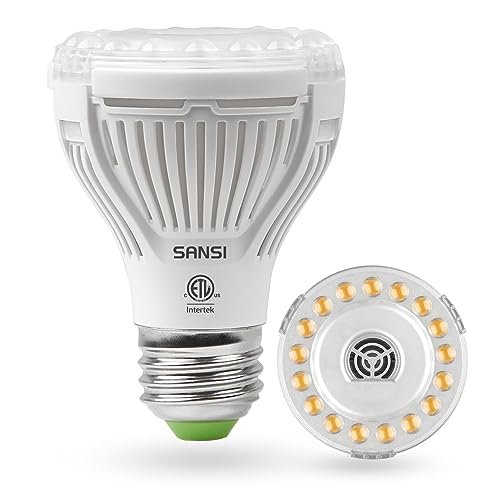
3 If the plant is in a particularly cold area, consider using a grow light to provide supplemental warmth and consistent light energy.
warning

Light Intensity Fluctuations

While they enjoy bright light, moving a Pencil Tree from low-light conditions to direct, scorching afternoon sun can cause leaf drop due to photo-oxidative stress. Conversely, insufficient light in darker seasons may also lead to thinning foliage.

Common
lightbulb
How to confirm: Evaluate if the plant's location has recently changed or if it is receiving significantly less sunlight than usual.
build How to fix it
shopping_cart Recommended Products
1 Relocate your plant to a spot with consistent, bright, indirect light to prevent further photo-oxidative stress from sudden sun exposure.
2 If the plant is in a low-light area during darker months, supplement with a full-spectrum grow light to maintain foliage density.
3 Monitor the soil moisture levels closely during light transitions, as changes in light intensity can alter the plant's water uptake rate.
warning

Nutrient Deficiency (Nitrogen)

A lack of essential macronutrients, particularly nitrogen, can lead to the plant sacrificing older leaves to redistribute nutrients to new growth. This manifests as a progressive or sudden shedding of lower foliage.

Common
lightbulb
How to confirm: Observe if the remaining leaves are turning pale yellow before they drop.
build How to fix it
shopping_cart Recommended Products
1 Apply a nitrogen-rich liquid fertilizer to boost foliage production and stop the plant from sacrificing older leaves.
2 Check the soil moisture levels with a moisture meter to ensure the leaf drop isn't actually caused by overwatering or underwatering.
3 Ensure the plant is in a well-draining potting medium to prevent root stress, which can mimic nutrient deficiency symptoms.

Other Euphorbia tithymaloides problems

Your plant might also be experiencing one of these issues:

local_hospital All symptoms eco All plants with sudden leaf drop
favorite