Why does your Eustoma grandiflorum have leggy stems? Diagnose the cause and fix it with our step-by-step guide.
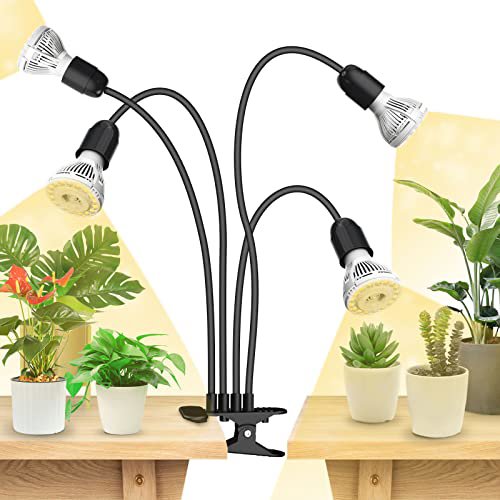
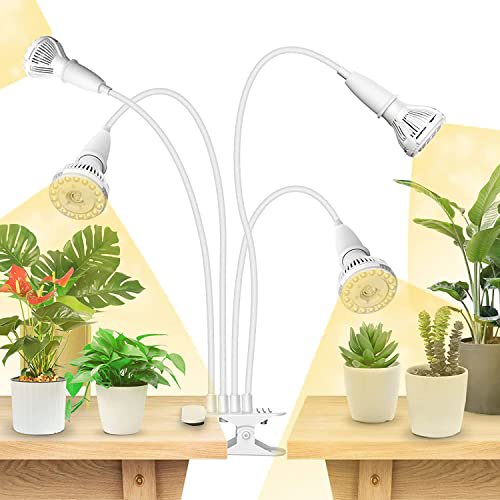
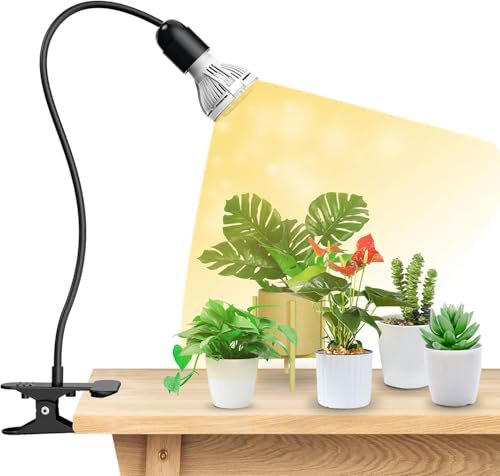
Lisianthus is a light-demanding species; inadequate light triggers etiolation, where the plant stretches stems to search for a light source. This results in weak, elongated internodes and fragile stems that cannot support the heavy terminal blooms.
High levels of nitrogen promote rapid vegetative growth at the expense of structural integrity. In Eustoma, this often results in succulent, soft tissue and long, spindly stems that lack the lignin necessary for upright strength.
While Lisianthus enjoys humidity, stagnant air prevents the plant from developing strong stem cell walls. This environment encourages rapid, 'soft' growth that lacks the structural rigidity required for heavy flowering stems.
Excessively warm nighttime temperatures can accelerate metabolic rates in Lisianthus, leading to rapid cell elongation. This prevents the plant from entering a restorative state, resulting in elongated internodes.

 English
 Italiano