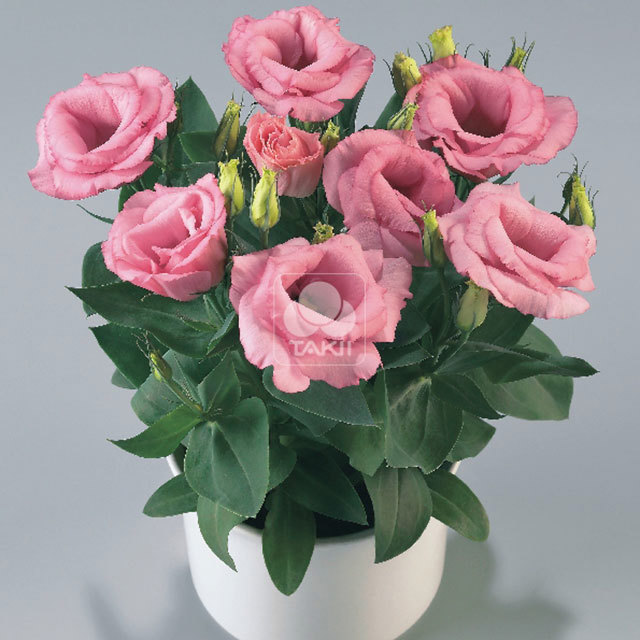
Eustoma Rosie F1 Pink Leggy Stems
eco Leggy Stems

Eustoma Rosie F1 Pink – Leggy Stems

Why does your Eustoma Rosie F1 Pink have leggy stems? Diagnose the cause and fix it with our step-by-step guide.

search Possible Causes

error

Insufficient Light Intensity

Lisianthus is a light-demanding species; low light levels cause the plant to undergo etiolation, where stems stretch excessively toward the nearest light source.

Very Common
lightbulb
How to confirm: Observe if the internodes (distance between leaves) are unusually long and thin compared to standard cultivar growth patterns.
build How to fix it
shopping_cart Recommended Products
1 Increase light exposure by moving the plant to a brighter location or providing supplemental lighting to prevent further stretching.
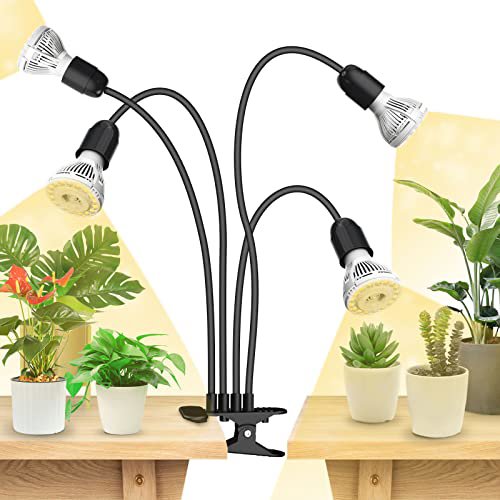
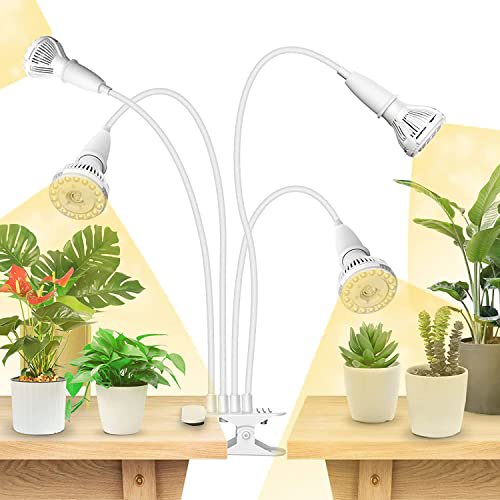
2 Use a full-spectrum grow light to mimic natural sunlight and support healthy, sturdy stem development.
3 Prune any excessively weak or elongated stems to encourage more compact growth and prevent the plant from collapsing.
error

Excessive Nitrogen Application

A high nitrogen-to-potassium ratio in your fertilizer promotes rapid vegetative leaf/stem growth at the expense of structural integrity, leading to weak, floppy stems.

Very Common
lightbulb
How to confirm: Check if you have recently used a fertilizer with a much higher first number (N) than the third (K).
build How to fix it
shopping_cart Recommended Products
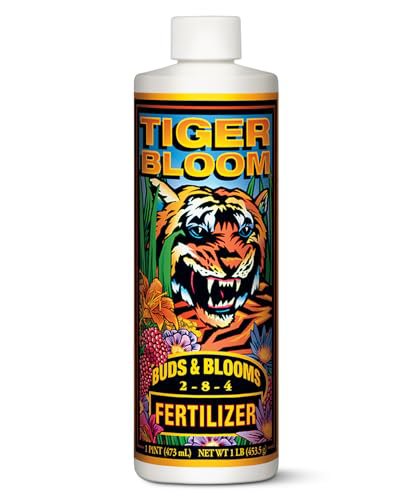
1 Immediately cease all high-nitrogen fertilization and switch to a fertilizer with higher phosphorus and potassium to support stem strength and flowering.
2 Provide supplemental light to encourage more compact, sturdy growth and prevent further stretching of the stems.
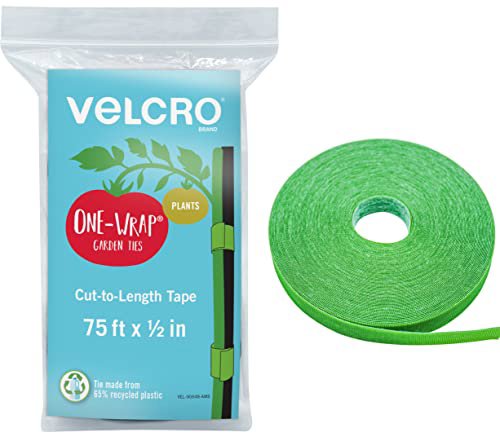
3 Gently stake the weak stems using soft ties to prevent them from flopping or breaking under their own weight.
warning

High Humidity and Low Airflow

In warm, stagnant environments, Lisianthus stems can lose structural strength as rapid cell elongation occurs without enough transpiration-driven resistance.

Common
lightbulb
How to confirm: Check if the air around your plant feels heavy or damp and if there is any movement from a fan.
build How to fix it
shopping_cart Recommended Products
1 Increase air circulation around the plant by using a small fan to prevent stagnant air and promote transpiration.
2 Reduce humidity levels in the growing area to prevent excessive cell elongation and stem stretching.
3 Provide supplemental lighting to strengthen stems and prevent further stretching caused by low light intensity.
warning

Temperature Fluctuations

Excessively high night temperatures can accelerate metabolic rates in Lisianthus, causing rapid stem elongation that outpaces the plant's ability to develop woody strength.

Common
lightbulb
How to confirm: Monitor your greenhouse or indoor temperature during nighttime hours for spikes above 70°F (21°C).
build How to fix it
shopping_cart Recommended Products
1 Stabilize the environment by maintaining consistent nighttime temperatures and avoiding sudden heat spikes to slow rapid stem elongation.
2 Increase supplemental lighting intensity or duration to provide the energy needed for thicker, stronger stem development.
3 Provide physical support to the leggy stems using small stakes or clips to prevent them from bending or breaking under their own weight.
local_hospital All symptoms eco All plants with leggy stems
favorite