Eustoma Rosie F1 White Leggy Stems
eco Leggy Stems

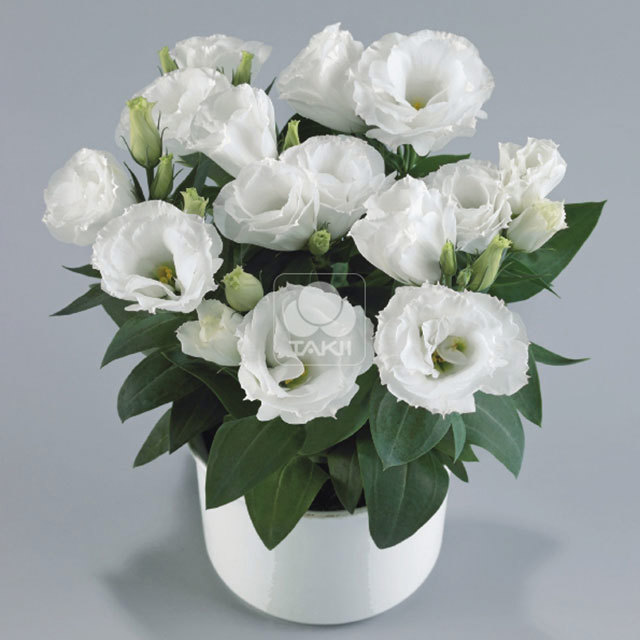
Eustoma Rosie F1 White – Leggy Stems

Why does your Eustoma Rosie F1 White have leggy stems? Diagnose the cause and fix it with our step-by-step guide.

pets Pet Friendly

search Possible Causes

error

Insufficient Light Intensity

Lisianthus is a light-demanding species; low light levels cause the plant to undergo etiolation, where stems rapidly elongate and weaken in an attempt to reach a light source.

Very Common
lightbulb
How to confirm: Observe if the stem internodes (the space between leaves) are unusually long and the foliage looks pale.
build How to fix it
shopping_cart Recommended Products
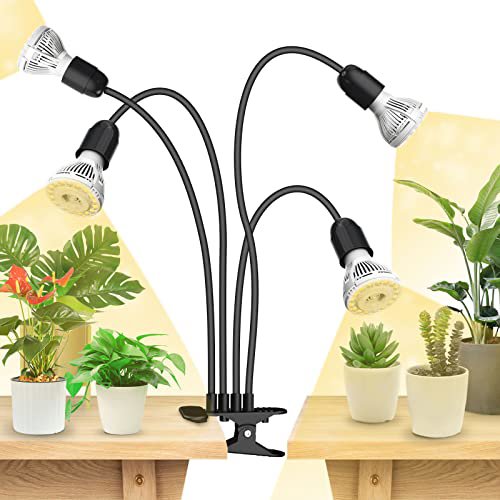
1 Increase light intensity by placing the plant in a brighter location or using a full-spectrum grow light to prevent further stem elongation.
2 Prune any excessively weak or elongated stems using sharp, clean shears to encourage more compact growth.
3 Monitor the soil moisture levels closely, as leggy plants in low light are more susceptible to root rot from overwatering.
warning

Excessive Nitrogen levels

High concentrations of nitrogen in the growing medium promote rapid vegetative growth, which can result in succulent, weak, and spindly stem structures in Eustoma.

Common
lightbulb
How to confirm: Check if you have recently applied a high-nitrogen fertilizer or if the leaves are an unnaturally deep, dark green.
build How to fix it
shopping_cart Recommended Products
1 Flush the growing medium with plenty of fresh, plain water to leach out excess nitrogen salts from the soil.
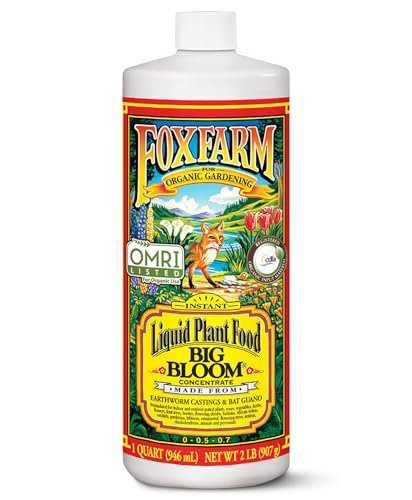
2 Transition to a balanced or lower-nitrogen fertilizer to support stronger stem development and prevent further spindly growth.
3 Increase light exposure using a full-spectrum grow light to encourage sturdier, more compact stem growth.
warning

Temperature Imbalance (High Night Temperatures)

Warm nighttime temperatures accelerate the metabolic rate of Lisianthus, leading to rapid stem elongation and a loss of structural integrity.

Common
lightbulb
How to confirm: Verify if your growing environment lacks a significant temperature drop during the dark period.
build How to fix it
shopping_cart Recommended Products
1 Lower nighttime temperatures to slow the plant's metabolic rate and prevent further stem elongation.
2 Provide supplemental lighting to strengthen the stems and encourage more compact growth.
3 Use support stakes to stabilize the weakened stems and prevent them from drooping or breaking.
warning

High Humidity/Lack of Airflow

A lack of air circulation in stagnant, humid environments can prevent the plant from developing sturdy cell walls, leading to floppy, leggy growth.

Common
lightbulb
How to confirm: Check for still air around the foliage and ensure there is adequate spacing between plants to allow ventilation.
build How to fix it
shopping_cart Recommended Products
1 Increase air circulation around the plant by using a small fan to prevent stagnant, humid air from settling around the foliage.
2 Ensure the plant is placed in a location with adequate light to support stem strength, or supplement with a full-spectrum grow light if natural light is insufficient.
3 Monitor soil moisture levels closely to ensure the high humidity isn't leading to overwatering, which can further weaken stems.
local_hospital All symptoms eco All plants with leggy stems
favorite