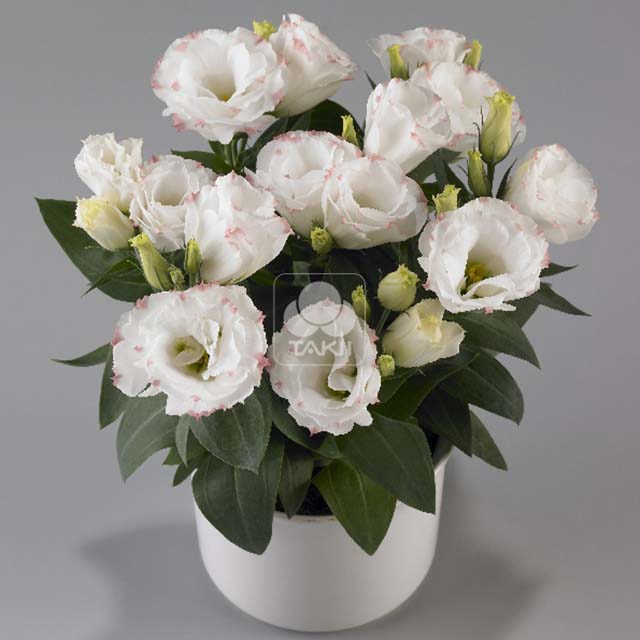
Eustoma russellianum Rosie F1 Rose Picotee Leggy Stems
eco Leggy Stems

Eustoma russellianum Rosie F1 Rose Picotee – Leggy Stems

Why does your Eustoma russellianum Rosie F1 Rose Picotee have leggy stems? Diagnose the cause and fix it with our step-by-step guide.

pets Pet Friendly

search Possible Causes

error

Insufficient Light Intensity

Lisianthus are high-light demanding plants; if light levels are too low, the plant undergoes etiolation, stretching the internodes to search for a light source. This results in weak, thin stems that cannot support the heavy 'Rosie F1' blooms.

Very Common
lightbulb
How to confirm: Observe if the stem elongation is accompanied by pale, yellowish leaves and a lack of compact growth.
build How to fix it
shopping_cart Recommended Products
1 Increase light intensity by placing the plant closer to a window or under a dedicated grow light to prevent further stem stretching.
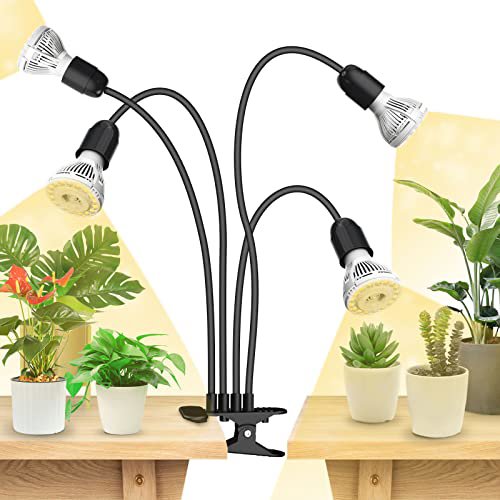
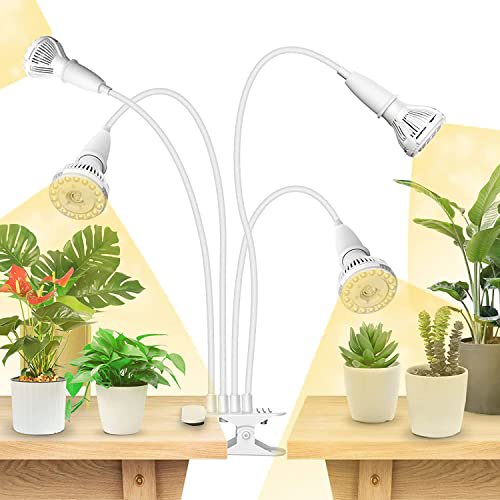
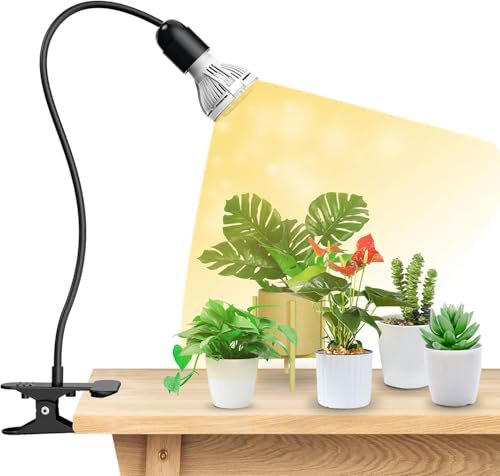
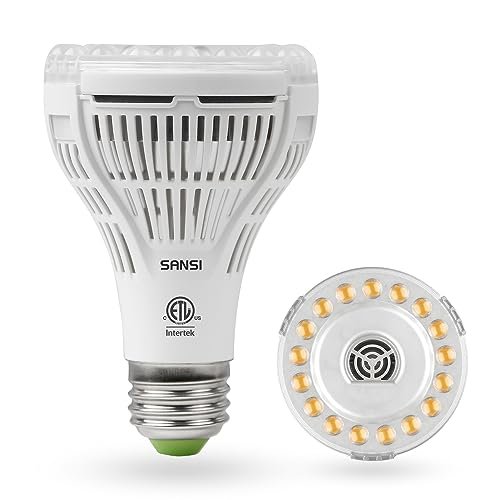
2 Supplement with a full-spectrum LED grow light to ensure the plant receives enough energy for sturdy stem development and bloom support.
3 Gently stake the weak, leggy stems using soft supports to prevent them from snapping under the weight of the flowers.
error

Excessive Nitrogen Fertilization

An imbalance in nutrients, specifically an overabundance of nitrogen without sufficient potassium or phosphorus, promotes rapid vegetative cell expansion. This creates lush green foliage but structurally weak, elongated stems.

Very Common
lightbulb
How to confirm: Review your fertilizer N-P-K ratio and check if the new growth appears excessively dark green but spindly.
build How to fix it
shopping_cart Recommended Products
1 Flush the soil with plain, room-temperature water to leach out excess nitrogen salts from the root zone.
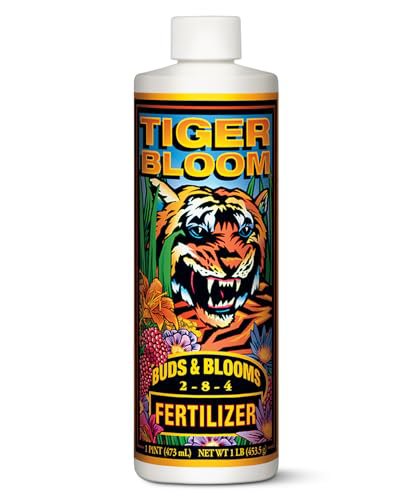
2 Apply a high-phosphorus fertilizer to restore nutrient balance and promote stronger, sturdier stem development.
3 Increase light exposure using a full-spectrum grow light to encourage more compact, sturdy growth and prevent further stretching.
warning

High Humidity and Lack of Air Circulation

In humid, stagnant environments, Lisianthus stems may lack the physical resistance needed for strong cell wall development. This often occurs in greenhouse settings where moisture is trapped around the foliage.

Common
lightbulb
How to confirm: Check if there is a lack of airflow around the base of the plant or if condensation is forming on the leaves.
build How to fix it
shopping_cart Recommended Products
1 Increase airflow around the foliage by using a small fan to prevent moisture from becoming trapped in the plant canopy.
2 Reduce local humidity levels to ensure the stems develop the necessary physical resistance for structural strength.
3 Provide supplemental light to encourage more compact, sturdy growth and prevent further stretching of the stems.
warning

Temperature Stress (High Night Temperatures)

Lisianthus prefer cooler night temperatures; excessively warm nights can accelerate metabolic processes and cell elongation, leading to 'leggy' growth patterns.

Common
lightbulb
How to confirm: Monitor your nighttime ambient temperature to see if it consistently stays above 70°F (21°C).
build How to fix it
shopping_cart Recommended Products
1 Relocate the plant to a cooler environment or use a cooling method to ensure night temperatures remain stable and lower to prevent further cell elongation.
2 Supplement with supplemental lighting to provide a more balanced light spectrum, which can help regulate growth and prevent stretching.
3 Monitor soil moisture closely to ensure the plant is not experiencing additional heat stress from drying out too quickly.
local_hospital All symptoms eco All plants with leggy stems
favorite