Ferocactus viridescens White Cottony Spots
eco White Cottony Spots

Ferocactus viridescens – White Cottony Spots

Why does your Ferocactus viridescens have white cottony spots? Diagnose the cause and fix it with our step-by-step guide.

search Possible Causes

error

Cottony Scale Insects

Small insects settle on the ribs of the cactus and secrete a white, waxy, cotton-like substance to protect themselves. These pests suck sap from the Ferocactus tissue, which can lead to localized swelling or yellowing.

Very Common
lightbulb
How to confirm: Use a magnifying glass to check if the white spots move slightly or are attached to small bumps on the cactus skin.
build How to fix it
shopping_cart Recommended Products
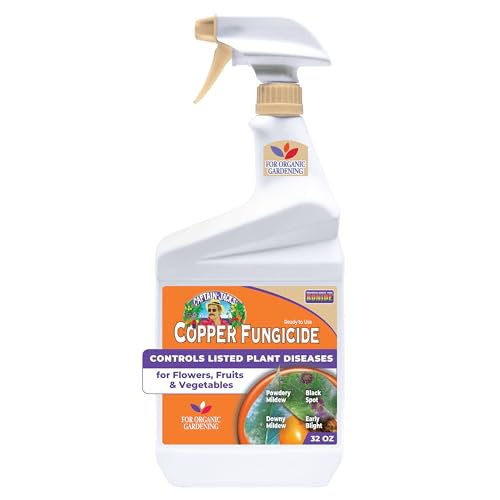
1 Treat the cactus with an organic insecticide spray to eliminate the scale insects and their protective waxy coating.
2 Manually remove visible cottony clusters using a cotton swab dipped in isopropyl alcohol to prevent further sap loss.
3 Improve airflow around the cactus and ensure the environment is not overly humid to discourage future pest infestations.
error

Mealybugs

Mealybugs are highly common in cacti and appear as white, fluffy masses, often found tucked deep within the areoles or near the base of the spines. They weaken the plant by extracting nutrients through piercing-sucking mouthparts.

Very Common
lightbulb
How to confirm: Check the crevices between the ribs and the base of the spines for clusters of tiny white, fuzzy organisms.
build How to fix it
shopping_cart Recommended Products
1 Isolate the cactus from other plants immediately to prevent the spread of mealybugs to your collection.
2 Use a cotton swab dipped in isopropyl alcohol to manually remove the white cottony masses from the areoles and base of the spines.
3 Apply an organic insecticide spray to the entire plant to eliminate any remaining pests and larvae.
warning

Etiolation or Mineral Deposits

Sometimes, dried hard water deposits or salt buildup from fertilizers can appear as white, crusty, or powdery spots on the green epidermis. Unlike pests, these are inanimate mineral residues left behind after evaporation.

Common
lightbulb
How to confirm: Try wiping a spot with a damp cloth; if it disappears easily, it is likely mineral residue rather than a biological pest.
build How to fix it
shopping_cart Recommended Products
1 Gently wipe the cactus surface with a soft, damp cloth or a cotton swab dipped in distilled water to remove mineral deposits.
2 Switch to using distilled or rainwater for future watering to prevent new salt and mineral buildup on the epidermis.
3 Monitor soil moisture levels using a moisture meter to ensure you are not overwatering, which can exacerbate salt accumulation.
warning

Fungal Mycelium (Soft Rot precursor)

In conditions of high humidity and poor airflow, certain fungi can manifest as white, fuzzy patches on the surface of the cactus. This is often an early sign that the tissue is beginning to degrade due to moisture retention.

Common
lightbulb
How to confirm: Press the area around the white spots with a gloved finger to see if the underlying cactus flesh feels soft or mushy.
build How to fix it
shopping_cart Recommended Products
1 Apply an organic fungicide to the affected areas to halt the spread of the fungal mycelium and prevent soft rot.
2 Improve air circulation around the cactus and reduce humidity by ensuring the plant is in a well-ventilated area.
3 Repot the cactus in a highly porous, well-draining substrate to prevent moisture retention at the base.
local_hospital All symptoms eco All plants with white cottony spots
favorite