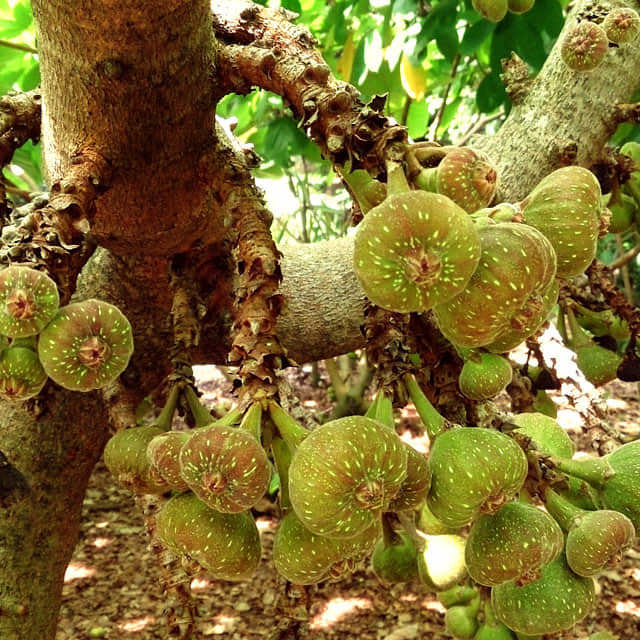
Ficus auriculata Sudden Leaf Drop
eco Sudden Leaf Drop

Ficus auriculata – Sudden Leaf Drop

Why does your Ficus auriculata have sudden leaf drop? Diagnose the cause and fix it with our step-by-step guide.

search Possible Causes

error

Water Stress (Overwatering or Underwatering)

Ficus auriculata is highly sensitive to changes in soil moisture; excessive water causes root hypoxia and rot, while drought triggers a survival mechanism where the tree sheds leaves to reduce transpiration.

Very Common
lightbulb
How to confirm: Check the moisture level an inch below the soil surface; if it's soggy, it's overwatering; if bone dry, it's underwatering.
build How to fix it
shopping_cart Recommended Products
1 Check the current moisture level deep in the pot using a moisture meter to determine if the soil is bone dry or waterlogged.
2 If overwatered, repot the plant in a well-draining medium amended with perlite to improve aeration and prevent root rot.
3 If underwatered, thoroughly soak the soil and ensure the pot has proper drainage to prevent future water stress.
error

Temperature Shock or Drafts

This species thrives in warm, stable tropical environments and reacts to sudden drops in temperature or exposure to cold air currents (AC vents) by dropping leaves rapidly.

Very Common
lightbulb
How to confirm: Observe if the leaf drop coincided with a change in room temperature or moving the plant near a window/vent.
build How to fix it
shopping_cart Recommended Products
1 Relocate your Ficus auriculata away from cold drafts, air conditioning vents, or windows that experience significant temperature fluctuations.
2 Maintain a stable, warm environment by keeping the plant in a spot with consistent tropical temperatures.
3 Monitor the soil moisture closely during this period of stress to ensure the plant is not being overwatered while it recovers.
warning

Light Fluctuations

A sudden reduction in available light intensity, often due to seasonal changes or moving the plant into a darker corner, prevents the large leaves from maintaining photosynthetic efficiency.

Common
lightbulb
How to confirm: Verify if the plant's position relative to a light source has changed recently.
build How to fix it
shopping_cart Recommended Products
1 Relocate your Ficus auriculata to a spot with consistent, bright, indirect light to stabilize photosynthesis and prevent further leaf drop.
2 Supplement with a full-spectrum grow light to mimic natural sunlight and compensate for seasonal light reductions.
3 Monitor the soil moisture closely during light transitions, as lower light levels often require less frequent watering to prevent root rot.
warning

Root Rot (Phytophthora or Pythium)

Prolonged dampness in the heavy soil often used for Ficus auriculata can lead to fungal pathogens attacking the root system, leading to a systemic failure and sudden defoliation.

Common
lightbulb
How to confirm: Gently lift the plant from its pot to inspect if the roots are dark, slimy, or emitting an unpleasant odor.
build How to fix it
shopping_cart Recommended Products
1 Immediately inspect the roots for mushy, dark, or foul-smelling decay and prune away any dead sections using sterilized tools.
2 Repot the plant in a well-draining, airy medium by mixing existing soil with perlite or horticultural grit to improve aeration.
3 Switch to a pot with superior drainage and use a moisture meter to ensure the soil is allowed to dry out significantly between waterings.
local_hospital All symptoms eco All plants with sudden leaf drop
favorite