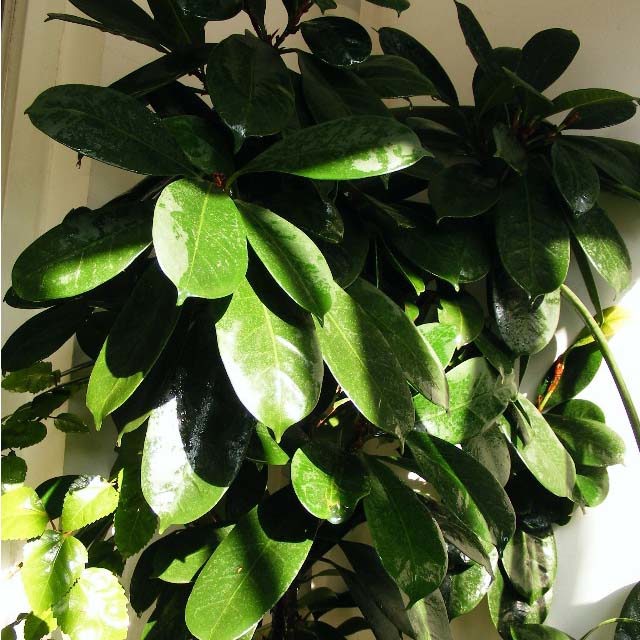
Ficus cyathistipula Yellow Leaves
eco Yellow Leaves

Ficus cyathistipula – Yellow Leaves

Why does your Ficus cyathistipula have yellow leaves? Diagnose the cause and fix it with our step-by-step guide.

search Possible Causes

error

Overwatering and Root Suffocation

Ficus cyathistula is sensitive to stagnant water; excessive moisture in the substrate leads to anaerobic conditions that damage the roots, preventing nutrient transport and causing chlorosis.

Very Common
lightbulb
How to confirm: Stick your finger two inches into the soil to check if it remains saturated for long periods.
build How to fix it
shopping_cart Recommended Products
1 Immediately stop watering and allow the soil to dry out significantly. Use a moisture meter to monitor the substrate and ensure the root zone is not staying saturated.
2 Repot the plant in a well-draining medium by mixing existing soil with perlite to improve aeration and prevent future root suffocation.
3 Inspect the roots for any mushy, dark, or foul-smelling rot; trim away damaged sections using sterilized shears and repot in a container with proper drainage.
error

Nutrient Deficiency (Nitrogen or Magnesium)

A lack of essential mobile nutrients like nitrogen can cause older leaves to turn yellow as the plant redistributes resources to new growth. Magnesium deficiency specifically often presents with interveinal chlorosis.

Very Common
lightbulb
How to confirm: Observe if the yellowing starts on older, bottom leaves first or if it appears between the veins.
build How to fix it
shopping_cart Recommended Products
1 Apply a liquid fertilizer rich in nitrogen and magnesium to replenish essential nutrients in the soil.
2 Supplement with a calcium and magnesium-specific fertilizer to address interveinal chlorosis and strengthen cell walls.
3 Monitor soil moisture levels using a moisture meter to ensure consistent watering, as overwatering can also lead to yellowing leaves.
warning

Environmental Stress (Temperature or Light Fluctuations)

As a tropical species, sudden drops in temperature or moving the plant to a location with significantly different light intensity can trigger a stress response resulting in leaf yellowing.

Common
lightbulb
How to confirm: Check if the plant has been recently moved or exposed to cold drafts from windows or AC units.
build How to fix it
shopping_cart Recommended Products
1 Stabilize the plant's environment by placing it in a spot with consistent temperatures and avoiding drafts from air conditioners or heaters.
2 Ensure the plant receives bright, indirect light that does not fluctuate wildly throughout the day to prevent further light stress.
3 Monitor the soil moisture levels closely using a moisture meter to ensure the stress isn't being compounded by overwatering during this period of low metabolic activity.
warning

Salt Accumulation (Mineral Burn)

The buildup of fertilizers or minerals from tap water in the potting medium can dehydrate root tissues, leading to yellowing and eventual leaf drop.

Common
lightbulb
How to confirm: Look for white, crusty mineral deposits on the surface of the soil or the edges of the pot.
build How to fix it
shopping_cart Recommended Products
1 Flush the potting medium thoroughly with distilled or rainwater to leach out accumulated mineral salts and prevent further root dehydration.
2 Repot the plant in fresh, well-draining potting soil to completely remove the salt-laden medium and provide a clean environment for root recovery.
3 Monitor the soil moisture levels closely using an analog meter to ensure you are watering only when the top inch of soil is dry, preventing future salt buildup from overwatering.
local_hospital All symptoms eco All plants with yellow leaves
favorite