Ficus lyrata Yellow Leaves
eco Yellow Leaves

Ficus lyrata – Yellow Leaves

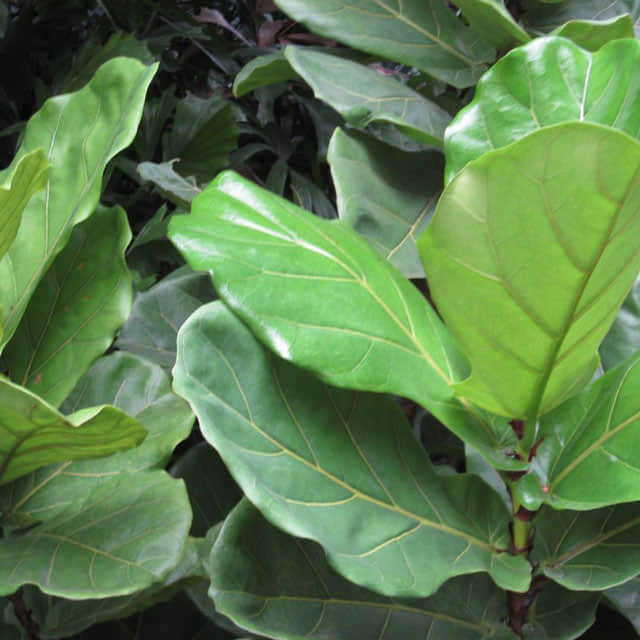
Why does your Ficus lyrata have yellow leaves? Diagnose the cause and fix it with our step-by-step guide.

search Possible Causes

error

Overwatering and Root Rot

This is the most common cause for Ficus lyrata; excessive soil moisture prevents oxygen from reaching roots, leading to fungal decay. As roots rot, they can no longer transport water to the leaves, resulting in chlorosis (yellowing) often starting at the bottom of the plant.

Very Common
lightbulb
How to confirm: Stick your finger two inches into the soil; if it feels soggy or smells musty, you are likely overwatering.
build How to fix it
shopping_cart Recommended Products
1 Immediately stop watering and allow the soil to dry out completely. Use a moisture meter to monitor the soil depth and ensure the root zone is not staying saturated.
2 Repot the plant in fresh, well-draining potting soil and trim away any mushy, black, or foul-smelling roots. Adding perlite to the mix will improve aeration and prevent future rot.
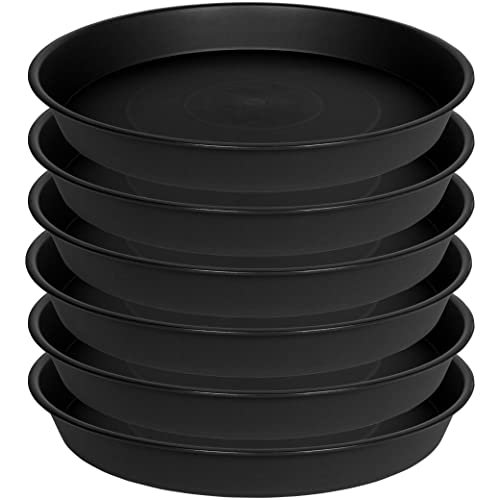
3 Ensure the plant is in a pot with excellent drainage and use a saucer to catch excess water, making sure not to let the pot sit in standing water.
error

Inconsistent Watering Regimen

Fiddle Leaf Figs prefer a consistent moisture cycle. Allowing the soil to dry out completely and then saturating it causes physiological stress that manifests as yellowing leaves and leaf drop.

Very Common
lightbulb
How to confirm: Observe if the soil surface is bone-dry and brittle before the next watering session occurs.
build How to fix it
shopping_cart Recommended Products
1 Check the soil moisture level at the base of the plant to ensure you aren't overwatering or letting it get too dry.
2 Establish a consistent watering schedule, allowing the top two inches of soil to dry out before watering again, and ensure the pot has proper drainage.
3 If the soil is compacted, gently aerate it or repot with a well-draining medium like a mix containing perlite to prevent waterlogging.
warning

Light Deficiency

Ficus lyrata requires bright, indirect light to maintain chlorophyll production. Insufficient light prevents the plant from photosynthesizing effectively, causing older leaves to turn yellow as the plant reallocates energy to new growth.

Common
lightbulb
How to confirm: Check if the plant is located in a dark corner or if the window view has been obscured by seasonal changes.
build How to fix it
shopping_cart Recommended Products
1 Move your Fiddle Leaf Fig to a spot that receives much brighter, indirect sunlight, such as near a south or west-facing window.
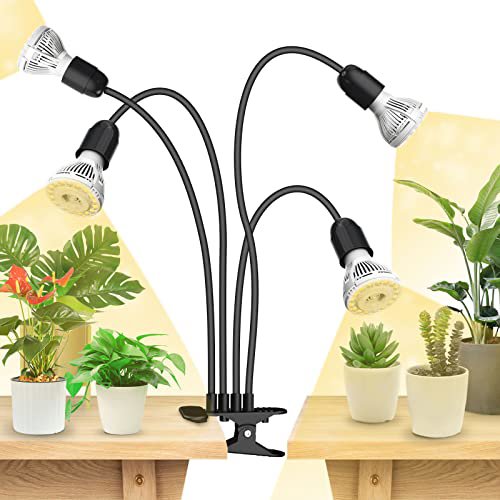
2 Supplement with a full-spectrum grow light to ensure consistent photosynthesis, especially during darker months.
3 Monitor the soil moisture closely, as insufficient light can slow down water evaporation and lead to overwatering.
warning

Nutrient Deficiency (Nitrogen/Magnesium)

In container-grown Ficus, essential minerals can be depleted from the potting medium over time. A lack of nitrogen often results in uniform yellowing of older leaves, while magnesium deficiency may show interveinal chlorosis.

Common
lightbulb
How to confirm: Check if you have repotted or fertilized the plant within the last 6 months.
build How to fix it
shopping_cart Recommended Products
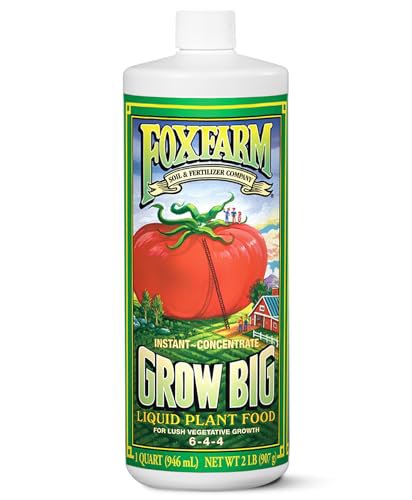
1 Apply a balanced liquid fertilizer to replenish depleted nitrogen and magnesium levels in the potting medium.
2 Supplement with a magnesium-rich additive to specifically target interveinal chlorosis if yellowing persists between leaf veins.
3 Check the soil moisture levels using a meter to ensure that yellowing is not actually caused by overwatering.

Other Ficus lyrata problems

Your plant might also be experiencing one of these issues:

local_hospital All symptoms eco All plants with yellow leaves
favorite