Ficus pumila Yellow Leaves
eco Yellow Leaves

Ficus pumila – Yellow Leaves

Why does your Ficus pumila have yellow leaves? Diagnose the cause and fix it with our step-by-step guide.

search Possible Causes

error

Overwatering and Root Rot

Ficus pumila is highly susceptible to fungal pathogens like Phytophthora if the substrate remains saturated. Excessive moisture deprives roots of oxygen, leading to yellowing of older leaves as the root system fails.

Very Common
lightbulb
How to confirm: Press your finger into the soil; if it feels soggy several inches deep and the stems feel soft, rot is likely present.
build How to fix it
shopping_cart Recommended Products
1 Immediately stop watering and allow the soil to dry out completely. Use a moisture meter to monitor the substrate and ensure you only water when the top inch is dry.
2 Repot the plant in a fresh, well-draining potting mix and a container with drainage holes. Adding perlite can significantly improve aeration to prevent future rot.
3 Inspect the roots for any mushy, dark, or foul-smelling decay. Carefully trim away all damaged roots using sterilized shears to prevent the spread of pathogens.
error

Nutrient Deficiency (Nitrogen)

As a vigorous climber, Creeping Fig has high metabolic demands. A lack of nitrogen prevents chlorophyll production, causing the foliage to turn pale yellow, typically starting with older leaves.

Very Common
lightbulb
How to confirm: Look for uniform yellowing across older leaves while new growth remains green; consider applying a balanced liquid fertilizer.
build How to fix it
shopping_cart Recommended Products
1 Apply a nitrogen-rich liquid fertilizer to boost chlorophyll production and restore green foliage.
2 Check the soil moisture levels with a meter to ensure the nitrogen is being effectively absorbed and not being washed away by overwatering.
3 Prune away any severely yellowed or dead leaves to redirect the plant's energy toward new, healthy growth.
warning

Low Humidity / Desiccation

This species thrives in high humidity. If the ambient air is too dry, the plant may struggle to maintain turgor pressure and chlorophyll levels, leading to yellowing and leaf drop.

Common
lightbulb
How to confirm: Check if the edges of the leaves are also turning crispy and brown alongside the yellowing.
build How to fix it
shopping_cart Recommended Products
1 Increase ambient humidity around the plant by using a pebble tray or a fine misting spray bottle to hydrate the foliage.
2 Monitor soil moisture levels closely to ensure the plant remains consistently moist but not waterlogged, preventing further desiccation.
3 If the plant is in a dry indoor environment, consider placing it near a humidifier or grouping it with other plants to create a microclimate.
info

Improper Light Exposure

While adaptable, extreme direct sunlight can scorch the delicate foliage of Ficus pumila, or conversely, too little light can cause the plant to struggle metabolically, resulting in chlorosis.

Rare
lightbulb
How to confirm: Observe if the yellowing is accompanied by bleached/brown patches (too much sun) or if the plant is becoming leggy (too little sun).
build How to fix it
shopping_cart Recommended Products
1 Relocate your Ficus pumila to a spot with bright, indirect light, ensuring it is protected from harsh, direct afternoon sun which can scorch the leaves.
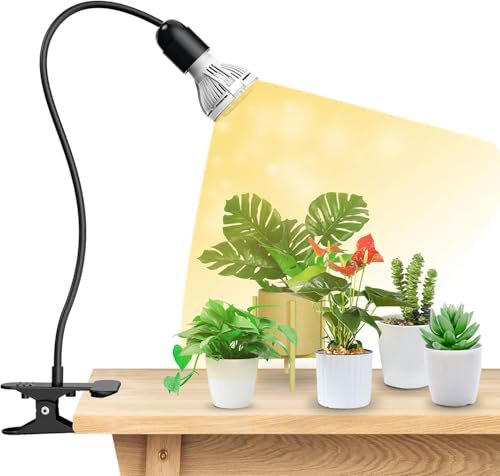
2 If the plant is in a low-light corner, supplement its exposure with a full-spectrum grow light to support metabolic health and prevent further yellowing.
3 Monitor the soil moisture levels closely during this light adjustment, as light changes can alter the plant's water uptake rate.

Other Ficus pumila problems

Your plant might also be experiencing one of these issues:

local_hospital All symptoms eco All plants with yellow leaves
favorite