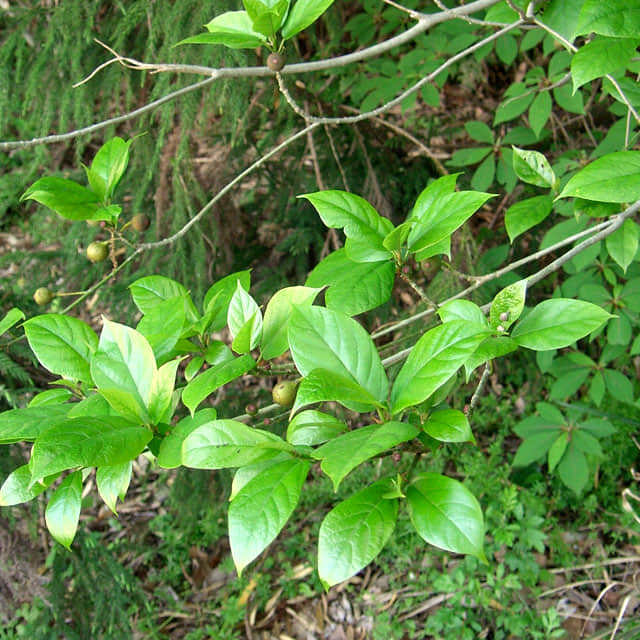
Ficus sycomorus Yellow Leaves
eco Yellow Leaves

Ficus sycomorus – Yellow Leaves

Why does your Ficus sycomorus have yellow leaves? Diagnose the cause and fix it with our step-by-step guide.

search Possible Causes

error

Overwatering and Root Suffocation

Ficus sycomorus is sensitive to stagnant water; excessive moisture causes anaerobic conditions in the soil, leading to root rot and the inability to transport nutrients, which manifests as yellowing leaves.

Very Common
lightbulb
How to confirm: Stick your finger two inches into the soil to see if it remains saturated even days after the last watering.
build How to fix it
shopping_cart Recommended Products
1 Immediately stop watering and allow the soil to dry out completely to restore oxygen to the root zone.
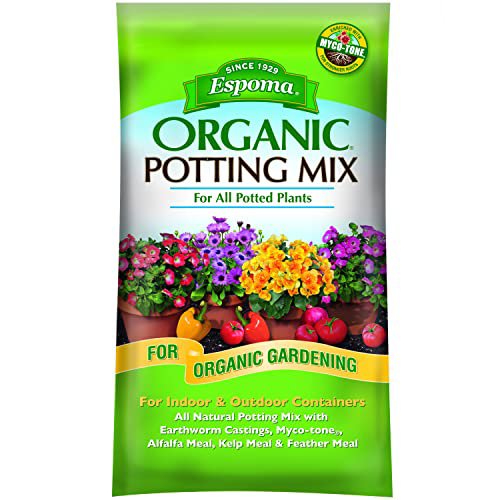
2 Repot the plant in a well-draining medium, incorporating perlite to improve aeration and prevent future water stagnation.
3 Ensure the plant is in a pot with functional drainage and use a saucer to catch excess water, making sure not to let the pot sit in standing water.
error

Nitrogen Deficiency

As a fast-growing species, Sycamore Figs have high nutrient demands; a lack of nitrogen prevents chlorophyll production, causing older leaves to turn pale yellow first.

Very Common
lightbulb
How to confirm: Check if the yellowing is starting on the bottom, oldest leaves while newer growth remains green.
build How to fix it
shopping_cart Recommended Products
1 Apply a nitrogen-rich liquid fertilizer to boost chlorophyll production and green up the foliage.
2 Monitor the soil moisture levels regularly to ensure the nitrogen can be effectively absorbed by the roots.
3 Ensure the plant is in a well-draining potting medium to prevent nutrient lockout caused by waterlogged soil.
warning

Environmental Stress (Transplant Shock or Temperature Fluctuations)

This species prefers stable tropical/subtropical conditions; sudden changes in temperature or recent movement to a new location can trigger leaf chlorosis as the tree enters a stress response.

Common
lightbulb
How to confirm: Note if the yellowing coincided with a change in location, a cold snap, or recent repotting.
build How to fix it
shopping_cart Recommended Products
1 Stabilize the plant's environment by placing it in a spot with consistent temperatures and avoiding drafts from air conditioners or heaters.
2 Monitor soil moisture levels closely to ensure the plant is not overwatered during this recovery period, as stress makes it more susceptible to root rot.
3 Apply a microbial-based liquid fertilizer to support root zone development and help the plant recover from the transplant shock.
warning

Iron Chlorosis (Soil pH Imbalance)

If the soil pH is too high (alkaline), Ficus sycomorus cannot uptake iron effectively, resulting in interveinal chlorosis where veins stay green but the leaf tissue turns yellow.

Common
lightbulb
How to confirm: Examine the leaves for a pattern where the veins remain dark green while the rest of the leaf turns bright yellow.
build How to fix it
shopping_cart Recommended Products
1 Test your soil pH to confirm alkalinity; for Ficus sycomorus, you want to ensure the pH remains in the slightly acidic range (6.0–7.0) to allow iron uptake.
2 Apply an iron supplement or a chelated iron fertilizer to provide immediately available iron to the plant.
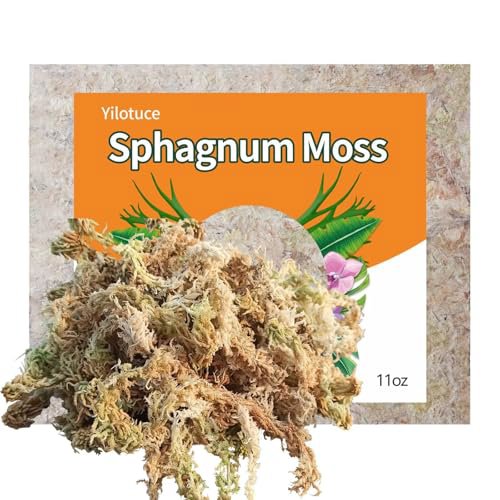
3 Amend the soil with organic matter or acidifying amendments like peat moss to help lower the soil pH over time.

Other Ficus sycomorus problems

Your plant might also be experiencing one of these issues:

local_hospital All symptoms eco All plants with yellow leaves
favorite