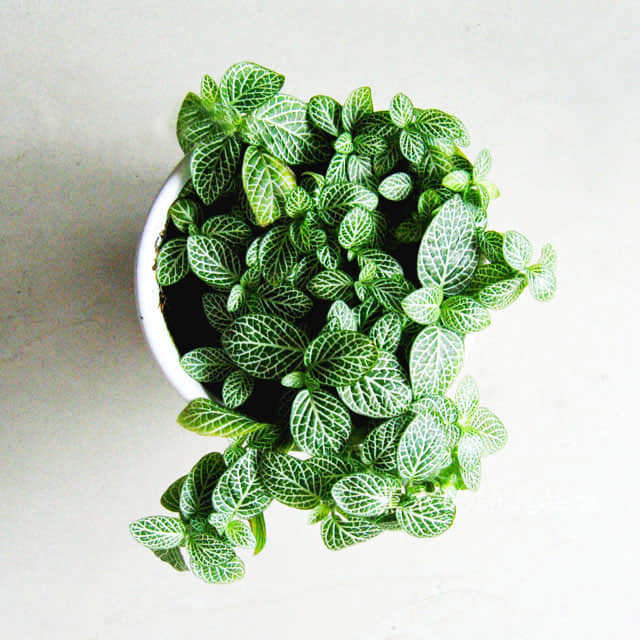
Fittonia verschaffeltii argyroneura Tiny Black Flies
eco Tiny Black Flies

Fittonia verschaffeltii argyroneura – Tiny Black Flies

Why does your Fittonia verschaffeltii argyroneura have tiny black flies? Diagnose the cause and fix it with our step-by-step guide.

search Possible Causes

error

Fungus Gnats (Sciarid Flies)

The larvae of these flies live in the top layers of moist soil and feed on organic matter or decaying roots. In Fittonia, which requires consistent humidity, overwatering creates the perfect breeding ground for these pests.

Very Common
lightbulb
How to confirm: Place a yellow sticky trap near the soil surface to see if small black insects are attracted to it.
build How to fix it
shopping_cart Recommended Products
1 Reduce watering frequency and allow the top inch of soil to dry out to disrupt the larvae's moist breeding environment.
2 Deploy yellow sticky traps to capture adult flies and prevent further egg-laying in the soil.
3 Apply a biological control or organic insecticide to target the larvae and adults effectively.
warning

Soil Organic Matter Decomposition

If you have recently added fresh compost or organic potting mix to your Fittonia, the tiny flies may be attracted to the decomposing nutrients. This is often a symptom of an environment that is too nutrient-rich and overly damp.

Common
lightbulb
How to confirm: Observe if the fly population decreases as the new soil dries out slightly.
build How to fix it
shopping_cart Recommended Products
1 Deploy yellow sticky traps to capture the adult flies and disrupt their breeding cycle.
2 Reduce watering frequency and allow the top inch of soil to dry out to make the environment less hospitable for larvae.
3 Top-dress the soil with a layer of horticultural perlite to create a dry barrier that prevents flies from reaching the organic matter.
warning

Black Bean Weevil or similar soil-dwelling beetles

While less common, certain small dark beetles can be mistaken for flies; they inhabit the moist substrate of tropical foliage plants like Fittonia to feed on root systems.

Common
lightbulb
How to confirm: Gently tap the side of the pot to see if any dark insects drop into a white paper placed underneath.
build How to fix it
shopping_cart Recommended Products
1 Apply an organic insecticide to eliminate the adult beetles and target larvae in the soil.
2 Set up yellow sticky traps near the soil surface to capture emerging adults and monitor the infestation level.
3 Reduce watering frequency and allow the top inch of soil to dry out to make the environment less hospitable for soil-dwelling pests.

Other Fittonia verschaffeltii argyroneura problems

Your plant might also be experiencing one of these issues:

local_hospital All symptoms eco All plants with tiny black flies
favorite



