Fragaria virginiana Tiny Black Flies
eco Tiny Black Flies

Fragaria virginiana – Tiny Black Flies

Why does your Fragaria virginiana have tiny black flies? Diagnose the cause and fix it with our step-by-step guide.

pets Pet Friendly

search Possible Causes

error

Fungus Gnats (Sciarid Flies)

The larvae of these flies live in the organic matter of the soil and feed on decaying plant roots or fungal mycelium. In wild strawberries, high moisture levels in the substrate encourage their breeding near the crown.

Very Common
lightbulb
How to confirm: Perform the 'sticky trap test' by placing a yellow sticky trap near the base of the plant to see if small dark flies are captured.
build How to fix it
shopping_cart Recommended Products
1 Reduce watering frequency to allow the top inch of soil to dry out, as moist organic matter is the primary breeding ground for fungus gnat larvae.
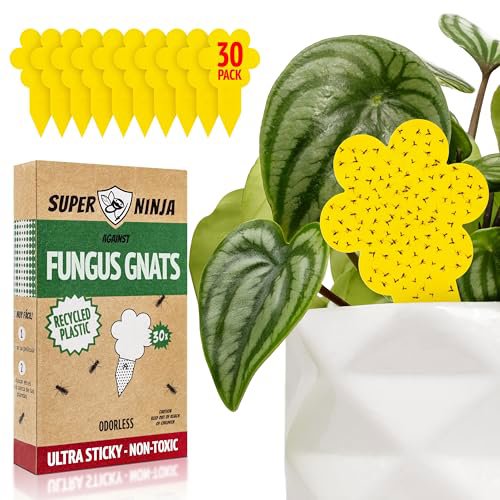
2 Deploy yellow sticky traps to capture the adult flying insects and disrupt their reproductive cycle.
3 Apply a microbial-based treatment or ensure the soil is well-aerated to reduce the fungal mycelium that the larvae feed upon.
warning

Blackberry Fruit Fly (Drosophila spp.)

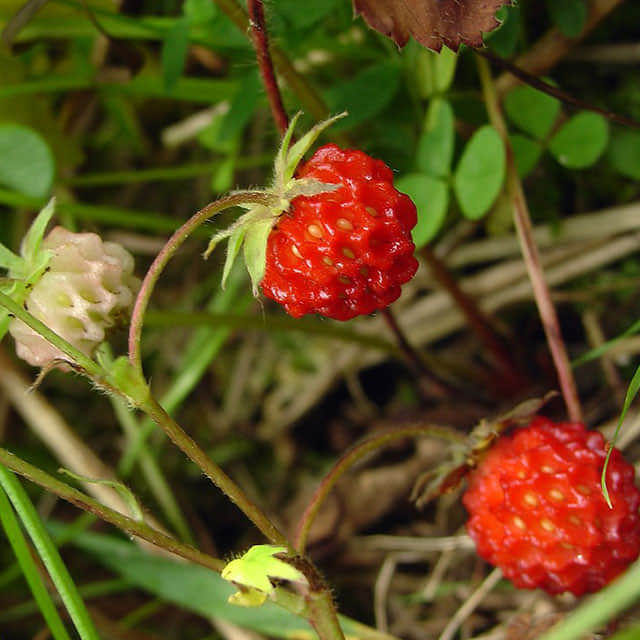
While primarily attracted to ripening fruit, these flies are drawn to the sweet scent of overripe or fermenting wild strawberries. They may hover around the plant seeking oviposition sites in softening fruit.

Common
lightbulb
How to confirm: Check the ripe berries for small puncture wounds or signs of internal rot/fermentation.
build How to fix it
shopping_cart Recommended Products
1 Deploy yellow sticky traps near the plant to capture adult flies and monitor the infestation level.
2 Remove and dispose of any overripe, soft, or fermenting wild strawberries immediately to eliminate breeding and feeding sites.
3 Apply an organic insecticide like Neem Oil to the plant surface to help control larvae and adult stages of the flies.
warning

Soil-borne Pests (Springtails)

Though not technically flies, these tiny dark organisms are often mistaken for them and thrive in the damp, acidic soil preferred by Fragaria virginiana. They move quickly across the soil surface when disturbed.

Common
lightbulb
How to confirm: Gently disturb the top layer of mulch or soil to see if the small organisms jump rapidly away from the light.
build How to fix it
shopping_cart Recommended Products
1 Reduce watering frequency to allow the top layer of soil to dry out, as damp conditions encourage springtail activity.
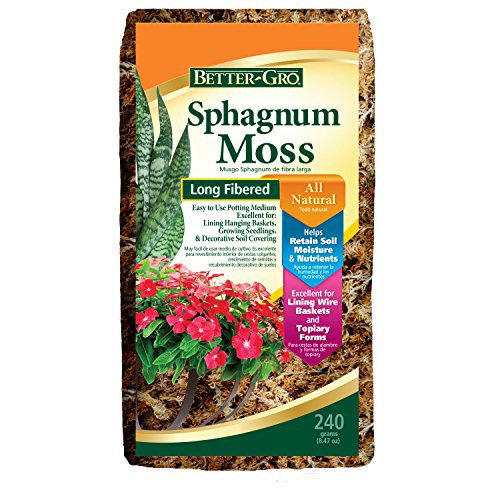
2 Apply a layer of dry organic mulch, such as sphagnum moss, to create a barrier between the soil and the air.
3 Use yellow sticky traps to capture any flying insects that may be present in the area.

Other Fragaria virginiana problems

Your plant might also be experiencing one of these issues:

local_hospital All symptoms eco All plants with tiny black flies
favorite